
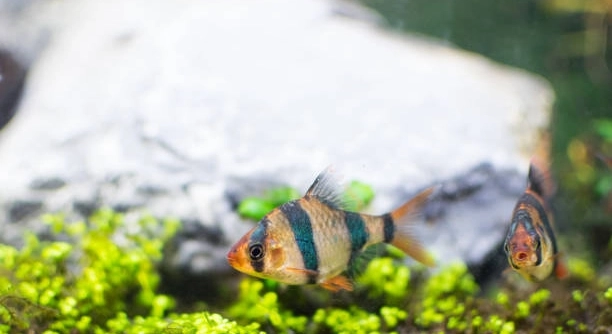
Are your aquarium fish lively and engaging to watch? Many fishkeepers enjoy observing how different species move and interact in their tanks. Understanding activity levels can help create a more balanced and stimulating environment for your aquatic pets.
Tiger Barbs are generally more active and energetic swimmers compared to Tetras. They exhibit faster movements and higher activity levels, often schooling actively and exploring their surroundings, while Tetras tend to swim more calmly and stay closer together with less vigorous motion.
Knowing the differences in activity between these species can guide you in selecting the best fish for your tank setup and care routine. This information helps ensure a harmonious and healthy aquarium environment.
Activity Levels of Tiger Barbs and Tetras
Tiger Barbs are known for their energetic behavior and constant movement. They swim quickly around the tank, often darting between plants and decorations. Their lively nature makes them very noticeable, especially in community tanks. On the other hand, Tetras generally have a more peaceful and steady swimming pattern. They tend to move in groups, maintaining a calm presence without sudden bursts of speed. These differences in activity can influence how you set up your aquarium. Tiger Barbs may require more open swimming space, while Tetras prefer areas with hiding spots where they can feel secure. Both fish add value to an aquarium but in different ways. It’s important to consider how their activity impacts tank mates and overall tank dynamics. Watching these behaviors can be enjoyable, helping you better understand each species’ needs and personalities.
Tiger Barbs’ high activity means they can sometimes outpace slower fish. Tetras’ calm movement creates a soothing tank atmosphere.
Balancing these species requires attention to space and compatible companions. Tiger Barbs thrive with room to swim freely, while Tetras do well with ample cover. Tank size and décor play crucial roles in managing their activity levels. Overcrowding can stress active Tiger Barbs, leading to aggression. Providing hiding places for Tetras ensures they feel safe, reducing stress. Feeding habits also differ slightly; Tiger Barbs may chase food more aggressively. Overall, creating an environment that respects these behavioral traits will result in a healthier, more harmonious aquarium.
How Tank Environment Affects Fish Activity
The tank environment directly influences how active your fish are.
Water temperature, lighting, and tank layout all play a role in fish behavior.
Fish are sensitive to their surroundings, and even small changes can impact their energy. Warmer water typically increases activity, while cooler temperatures slow movement. Lighting should mimic natural cycles to support healthy behavior patterns. A well-planned layout balances open swimming space with plenty of hiding spots. For Tiger Barbs, more open areas allow for their energetic swimming style. Tetras prefer dense planting or decorations to feel secure and less exposed. Noise and vibrations outside the tank can also affect fish, causing stress or erratic movement. Paying close attention to water quality, including oxygen levels and cleanliness, helps maintain consistent activity. A comfortable environment supports natural behavior, reducing stress-related inactivity or aggression.
Adjusting tank conditions to fit the needs of Tiger Barbs and Tetras promotes their well-being and makes your aquarium more enjoyable to observe.
Comparing Social Behavior
Tiger Barbs are quite active and sometimes aggressive in groups. They tend to establish a social hierarchy.
Their schooling behavior includes frequent chasing and nipping, especially if kept in small numbers. This can cause stress among tank mates. However, when kept in larger groups, aggression usually decreases as attention is spread out. Tetras, in contrast, are peaceful and prefer to swim calmly in larger schools. They rarely show aggressive tendencies and often help create a balanced, calm tank atmosphere. Social dynamics between these species reflect their natural behaviors, impacting how they interact with other fish.
Understanding their social needs helps prevent conflicts and ensures a peaceful community tank. Tiger Barbs need enough numbers to reduce aggression, while Tetras thrive with plenty of companions to feel secure.
Feeding Habits and Activity
Tiger Barbs are opportunistic feeders and show high energy during feeding times.
They are quick to compete for food and often chase each other around the tank. This active feeding behavior can sometimes overwhelm slower fish. Tetras feed more calmly and tend to nibble throughout the day rather than rush during feeding. Their less aggressive style allows for easier feeding routines in mixed tanks. Providing varied food types supports both species’ nutritional needs and maintains balanced activity levels. Feeding habits are linked closely to their energy levels, so understanding these can improve tank harmony and fish health.
Tank Size and Space Needs
Tiger Barbs require more open swimming space due to their active nature.
Tetras prefer tanks with plenty of plants and hiding spots to feel secure and reduce stress.
Compatibility with Other Fish
Tiger Barbs can be aggressive toward smaller or slow-moving fish, which may cause problems in community tanks. It’s important to choose tank mates that can handle their energy and occasional nipping. Tetras, being peaceful, usually coexist well with a variety of species, making them better suited for diverse community setups. Selecting compatible fish depends on understanding each species’ temperament and activity level. Providing enough space and hiding places further helps reduce tension among tank inhabitants, promoting a balanced and calm environment.
Water Conditions
Both Tiger Barbs and Tetras thrive in similar water conditions, preferring slightly acidic to neutral pH and moderate temperatures.
Observing Behavior Changes
Changes in activity can signal health or environmental issues that need attention.
FAQ
Are Tiger Barbs more aggressive than Tetras?
Yes, Tiger Barbs tend to be more aggressive. They can nip at fins and chase other fish, especially if kept in small groups. Tetras are generally peaceful and rarely show aggression, making them better suited for calm community tanks.
How many Tiger Barbs should be kept together?
It’s best to keep at least six Tiger Barbs in a group. This helps spread out any aggressive behavior and reduces stress on other fish. Smaller groups can lead to more fighting and anxiety within the tank.
Do Tetras require more hiding places than Tiger Barbs?
Yes, Tetras feel safer with plenty of plants or decorations to hide in. They are shy and use cover to reduce stress. Tiger Barbs prefer open swimming space and do not rely as much on hiding spots.
Can Tiger Barbs and Tetras live together peacefully?
They can coexist if the tank is large enough and includes enough hiding spots for Tetras. Keeping a sufficient number of Tiger Barbs also helps reduce their aggression toward other fish. Proper feeding and tank management are key.
What type of food do Tiger Barbs prefer?
Tiger Barbs eat a varied diet including flakes, pellets, and live or frozen foods like brine shrimp. They are active feeders and benefit from protein-rich meals to support their energy levels.
Are Tetras more sensitive to water conditions?
Tetras are somewhat sensitive to poor water quality and sudden changes in water parameters. Regular maintenance and stable conditions help keep them healthy and active. Tiger Barbs are a bit hardier but also thrive best in clean, stable water.
Why do Tiger Barbs nip at other fish?
Nipping is often a result of their natural territorial and social behavior. It can increase if they feel crowded or stressed. Keeping them in larger groups and providing ample space reduces this behavior.
How often should I feed my Tiger Barbs and Tetras?
Feeding once or twice daily is sufficient. Offer only what they can eat in a few minutes to avoid overfeeding. Balanced feeding supports their activity without polluting the tank.
Do Tiger Barbs need more swimming space than Tetras?
Yes, Tiger Barbs are very active swimmers and benefit from larger tanks with open areas. Tetras are smaller and less energetic, so they do well in moderately sized tanks with plants.
What signs show a fish is stressed due to activity level mismatches?
Signs include hiding excessively, faded colors, erratic swimming, or aggression. Matching fish with similar activity levels and providing proper tank conditions helps prevent stress.
Can Tetras live in smaller tanks than Tiger Barbs?
Tetras can adapt to smaller tanks better than Tiger Barbs because of their calmer nature. However, tank size should still be adequate to allow schooling behavior and avoid overcrowding.
Do Tiger Barbs need special lighting because of their activity?
Not necessarily. Normal aquarium lighting works well, but a consistent day-night cycle helps maintain healthy activity patterns. Too bright or too dim lighting can affect behavior.
How do I reduce aggression in Tiger Barbs?
Keeping them in groups of six or more, providing enough space, and avoiding slow or long-finned fish reduces aggression. Regular tank maintenance also helps keep them calm.
Are Tetras good beginner fish compared to Tiger Barbs?
Tetras are often recommended for beginners due to their peaceful nature and lower aggression. Tiger Barbs require more attention to social dynamics and tank mates because of their active and sometimes aggressive behavior.
What water temperature is ideal for both Tiger Barbs and Tetras?
Both species thrive in water temperatures between 74°F and 79°F (23°C to 26°C). Maintaining stable temperature within this range supports healthy activity levels.
How long do Tiger Barbs and Tetras typically live?
Tiger Barbs usually live 5 to 7 years, while many Tetra species live around 3 to 5 years with proper care. Good water quality and nutrition can extend their lifespan.
Can Tiger Barbs and Tetras tolerate the same pH levels?
Yes, both prefer slightly acidic to neutral pH, generally between 6.0 and 7.5. Keeping stable pH is important to prevent stress and maintain activity.
What should I do if Tiger Barbs are bullying other fish?
Increase their group size, add more hiding spots for other fish, and ensure the tank is large enough. If bullying continues, consider separating aggressive individuals.
Are there specific tank mates better suited for Tiger Barbs or Tetras?
Fast, similarly sized fish like danios or barbs work well with Tiger Barbs. Peaceful, small schooling fish such as other Tetras or rasboras pair well with Tetras. Proper compatibility reduces stress and aggression.
How often should water changes be done for these fish?
Weekly water changes of 20-25% keep the environment clean and healthy. Regular maintenance supports activity levels and overall fish well-being.
This FAQ aims to help manage the activity differences between Tiger Barbs and Tetras for a peaceful and lively aquarium.
Tiger Barbs and Tetras each bring unique qualities to an aquarium, especially when it comes to their activity levels. Tiger Barbs are more energetic and often swim quickly and boldly, while Tetras tend to move calmly and stay closer together in groups. This difference in behavior affects how they fit into a community tank and what kind of environment they need to thrive. Knowing these traits helps in choosing the right fish and setting up a tank that meets their needs. Both species can be enjoyable to watch, but they require slightly different care and tank arrangements.
Creating the right environment for these fish involves paying attention to tank size, decoration, and water conditions. Tiger Barbs do best in larger tanks with open swimming areas that allow them to move freely. They also need to be kept in groups to reduce aggression among themselves. Tetras, in contrast, prefer tanks with more plants and hiding spaces, which help them feel safe and less stressed. Both species need stable water conditions, including appropriate temperature and pH levels, to stay healthy and active. Regular maintenance and proper feeding routines are also important for supporting their behavior and well-being.
When choosing between Tiger Barbs and Tetras, it’s important to consider the atmosphere you want in your aquarium. If you prefer a lively, energetic tank with fish that move quickly and display bold behavior, Tiger Barbs may be a good fit. If you want a peaceful, calm tank with fish that swim gently and stick close to their group, Tetras are likely a better choice. Understanding their activity differences helps create a balanced, healthy aquarium where all fish can thrive. This knowledge also helps prevent common problems such as stress or aggression, making fishkeeping more rewarding and enjoyable.

Hello,
If you enjoy the content that we create, please consider saying a "Thank You!" by leaving a tip.
Every little bit helps us continue crafting quality advice that supports the health, happiness, and well-being of pets around the world, for pets of all shapes, sizes, and species.
We really appreciate the kindness and support that you show us!