
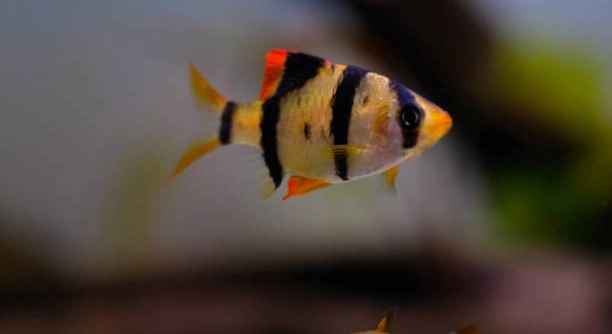
Tiger barbs are lively and colorful fish popular in home aquariums. Their behavior often attracts attention, especially how they rest within their environment. Understanding their resting habits can improve how we care for them daily.
Tiger barbs do not typically share the same resting spot consistently. They tend to rest in different areas of the tank depending on comfort, safety, and social dynamics. This behavior reduces territorial conflicts and supports their natural instincts.
Knowing where and how tiger barbs rest can help aquarium owners create a better habitat. This information also aids in monitoring their health and social interactions more effectively.
Understanding Tiger Barbs’ Resting Behavior
Tiger barbs are active fish, but they also need to rest throughout the day. Unlike some species that choose one favorite spot, tiger barbs often move around. They may rest near plants, decorations, or tank corners, depending on where they feel safest. These fish prefer areas with moderate hiding options to stay alert but protected. Their social nature means they observe other fish and sometimes choose resting spots that avoid conflict. Resting habits can change based on water conditions, tank size, and group dynamics. Keeping the tank environment stable helps them feel secure enough to rest naturally. Observing these behaviors can indicate if the fish are healthy or stressed, which is important for proper care.
Resting spots change regularly to reduce tension among the group. This movement helps maintain peace within the tank.
When creating a habitat, provide various resting options. Plants, rocks, and hiding spaces encourage natural resting patterns. This diversity in the tank setup allows tiger barbs to rest comfortably and safely.
Social Dynamics Affecting Resting Spots
Tiger barbs live in groups and have social hierarchies that influence where they rest. Dominant fish may claim certain areas, while others adjust their spots to avoid confrontation. These social behaviors help keep the group balanced and reduce stress. When the group size is appropriate, resting spots tend to be more evenly shared among the fish. However, overcrowding can increase competition and make resting difficult. Observing these patterns can guide how many tiger barbs to keep in one tank. Providing enough space and hiding places supports a peaceful environment. Watching how fish interact during rest times gives insight into their social structure and wellbeing.
Tank Environment and Resting Preferences
Tiger barbs adjust their resting spots based on the tank setup. They seek places with enough cover and good water flow.
A tank with plenty of plants and hiding spots helps tiger barbs feel safe. They often rest near vegetation or decorations where they can quickly dart away if needed. Clear water and stable temperature also encourage calm resting behavior. A bare tank or one with poor water quality can stress them, making it harder for the fish to relax. Proper lighting that mimics natural cycles supports healthy rest periods.
Tank size affects resting choices too. In smaller tanks, tiger barbs may rest closer together due to limited space, sometimes increasing tension. Larger tanks allow more freedom to spread out and select comfortable spots. Monitoring these conditions ensures the fish maintain natural, healthy rest habits.
Impact of Group Size on Resting Behavior
Group size directly influences resting spot sharing among tiger barbs. Smaller groups show more peaceful resting patterns.
In groups of five or more, tiger barbs establish social rankings that influence where individuals rest. Larger groups reduce aggression because dominance is spread out, and fish feel safer exploring different spots. Too few fish can cause stress, as social interactions lessen, and resting may become more guarded. Overcrowding, however, leads to competition for shelter and resting areas, increasing stress and fighting. The ideal number allows a balance where resting spots are shared naturally, and the group’s social structure remains stable. This balance helps tiger barbs rest calmly, supporting their health and well-being.
Common Resting Spots in the Aquarium
Tiger barbs prefer resting near plants and decorations. These spots offer cover and a sense of safety.
They also rest close to the tank bottom or near floating objects. These areas help them stay hidden from potential threats while remaining alert.
Effects of Lighting on Resting Patterns
Lighting influences tiger barbs’ resting times and locations. Bright, constant light can cause stress and disrupt natural rest. Dimmer or natural light cycles encourage normal resting behavior. Adjusting lighting to simulate day and night helps tiger barbs find comfortable spots to rest and promotes their overall wellbeing.
Recognizing Resting vs. Stress
Resting tiger barbs stay calm and display relaxed fins. Stress causes erratic swimming and hiding.
Creating a Rest-Friendly Environment
Providing varied hiding spots and stable conditions encourages healthy resting habits.
FAQ
Do tiger barbs need a specific resting spot?
Tiger barbs do not require one fixed resting spot. They prefer areas with cover where they feel safe and can quickly escape if disturbed. Plants, decorations, and tank corners are common resting places. Variety in the tank encourages natural movement and resting habits.
Can tiger barbs rest together in the same spot?
They sometimes rest near each other but rarely share one exact spot consistently. Their social nature and mild territorial behavior lead them to spread out, reducing conflicts. Resting near each other is more about safety in numbers than true shared resting.
How often do tiger barbs rest during the day?
Tiger barbs rest intermittently throughout the day, often in short periods. Their active nature means they rest between bursts of swimming and exploring. Proper lighting and tank conditions help maintain a healthy resting schedule.
Does tank size affect tiger barb resting habits?
Yes, tank size influences resting patterns. Smaller tanks limit resting choices, sometimes causing tension. Larger tanks allow more hiding places and space for each fish to choose comfortable spots, leading to calmer resting behavior.
Are tiger barbs more active at night or during the day?
Tiger barbs are primarily diurnal, meaning they are most active during the day. They rest more during low light or nighttime hours. Mimicking natural light cycles helps maintain this pattern, supporting their health and rest quality.
What signs indicate a tiger barb is resting vs. stressed?
Resting tiger barbs appear calm, with smooth, relaxed fin movements and slow breathing. Stress signs include frantic swimming, hiding excessively, or clamped fins. Watching these behaviors helps identify if the environment supports healthy rest.
How does water quality affect resting behavior?
Poor water quality stresses tiger barbs and disrupts their resting. High ammonia, nitrite, or nitrate levels cause discomfort, making fish restless or lethargic. Regular testing and maintenance keep water safe, encouraging normal rest and activity.
Can lighting disrupt tiger barb resting habits?
Constant or overly bright lighting can cause stress and disturb rest. Tiger barbs need a clear day-night cycle with dimmer lights or darkness during night hours. Adjusting lighting to natural rhythms improves their comfort and resting behavior.
Do tiger barbs prefer resting near specific tank decorations?
They often choose spots near plants, rocks, or caves. These provide cover and security. Soft plants are favored since they offer gentle hiding places without sharp edges. Decorations that create shaded areas also attract resting tiger barbs.
How important is group size for tiger barb rest?
Group size greatly affects rest quality. A proper-sized group reduces aggression and allows natural social behavior. Small groups may cause stress due to lack of interaction, while overcrowded tanks increase competition. A balanced group size supports peaceful resting habits.
What can I do if tiger barbs are not resting well?
Check water quality, tank size, and lighting first. Provide ample hiding spots and stable water parameters. Adjust group size if needed to reduce stress. Monitoring their behavior closely helps identify and fix issues that affect rest.
Is it normal for tiger barbs to change resting spots frequently?
Yes, frequent movement between resting spots is typical. This behavior helps avoid predators and reduces stress from territorial disputes. Offering a variety of resting options supports this natural habit.
Do tiger barbs sleep like other fish?
Tiger barbs enter restful states similar to sleep but remain alert to surroundings. They reduce movement and metabolism during these times, typically hiding or staying still in safe areas. This rest is essential for their health and energy.
Can poor resting habits lead to health problems?
Yes, poor rest increases stress, which weakens the immune system. Prolonged stress can cause disease, poor growth, and behavioral issues. Ensuring good tank conditions and social balance supports healthy rest and overall wellbeing.
Tiger barbs are lively fish that show unique resting behaviors in aquariums. They do not stick to one resting spot but move around based on comfort, safety, and social factors. These fish prefer places with some cover, such as plants or decorations, where they can feel protected yet alert. Their resting habits change depending on tank size, lighting, water quality, and group dynamics. Understanding these factors helps create an environment where tiger barbs can rest naturally and stay healthy.
Maintaining a well-balanced tank is important for encouraging good resting habits in tiger barbs. Providing enough space, hiding spots, and stable water conditions reduces stress and supports peaceful rest. Group size also plays a key role; too few or too many fish can disrupt social harmony and make resting difficult. Proper lighting that simulates natural day and night cycles helps tiger barbs regulate their activity and rest periods. Watching their behavior carefully can give clues about their comfort and health, helping owners make any necessary adjustments.
Overall, tiger barbs’ resting patterns reflect their natural instincts and social nature. They rely on a safe and well-maintained habitat to feel comfortable enough to rest properly. By paying attention to their needs and environment, aquarium owners can ensure their fish remain calm, healthy, and active. Rest is an important part of their wellbeing, and supporting this behavior helps maintain a thriving tank community.

Hello,
If you enjoy the content that we create, please consider saying a "Thank You!" by leaving a tip.
Every little bit helps us continue crafting quality advice that supports the health, happiness, and well-being of pets around the world, for pets of all shapes, sizes, and species.
We really appreciate the kindness and support that you show us!