
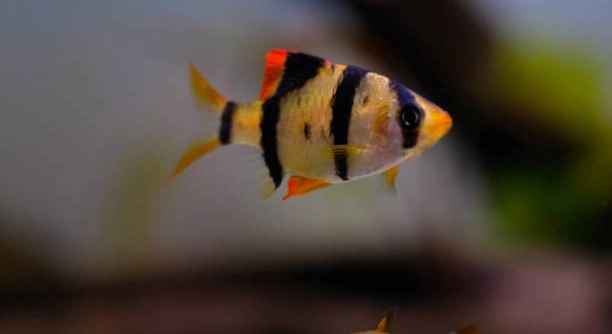
Tiger barbs are lively freshwater fish known for their unique swimming patterns. Many owners notice these fish often swim in a figure 8 shape. This behavior can be intriguing and prompts curiosity about its cause and meaning.
Tiger barbs swim in figure 8s primarily as a form of social interaction and territory establishment. This swimming pattern allows them to communicate dominance and maintain group cohesion within their environment, which is essential for their social structure and well-being.
Understanding why tiger barbs display this behavior can improve how you care for them. Observing their movements provides insights into their natural instincts and helps create a balanced aquarium environment.
Why Tiger Barbs Swim in Figure 8s
The figure 8 swimming pattern is common among tiger barbs and serves several purposes. This movement helps the fish establish their position within the group and reduces aggression by signaling social status. It also allows them to stay close to each other, which is important for their schooling behavior. When they swim in this pattern, they maintain awareness of their surroundings and other fish, helping to avoid conflicts. The figure 8 movement may also be a way for tiger barbs to explore their environment more efficiently. Watching this behavior can be fascinating, especially since it reveals how these fish communicate without sounds or obvious gestures. The pattern keeps them active and engaged, which is essential for their health. When providing a suitable tank environment, observing these natural behaviors can help ensure your tiger barbs thrive.
This swimming pattern is a natural way tiger barbs interact and helps maintain harmony within their groups.
Figure 8 swimming helps tiger barbs navigate and communicate, reducing stress and promoting social bonding. It also prevents overcrowding in certain areas of the tank, which keeps the environment balanced. When they swim in these loops, they create a flow of movement that benefits the entire group. This behavior is most visible in larger groups where social dynamics are more complex. Understanding this helps tank owners create the right setup, including enough space and hiding spots to keep the fish comfortable. Watching tiger barbs swim in figure 8s can also help owners detect any signs of distress or illness early, as changes in their usual patterns might indicate problems. Overall, this behavior is a key part of their daily life and well-being.
How Tank Setup Affects Their Swimming
The size and layout of the tank influence tiger barbs’ swimming patterns.
A well-arranged aquarium with enough space and plants allows tiger barbs to swim naturally. Crowded or poorly decorated tanks can disrupt their social behavior and cause stress. They need open swimming areas combined with hiding spots. Without these, their figure 8 swimming might become erratic or stop altogether. Proper water conditions and temperature also support their activity levels. The right environment encourages healthy movement and social interaction. Observing their swimming can guide adjustments to the tank setup for better care and comfort.
Social Behavior and Hierarchy
Tiger barbs use figure 8 swimming to show social rank. This movement signals dominance or submission within the group, helping to avoid fights.
The figure 8 pattern is a clear way for tiger barbs to communicate without aggression. Dominant fish often swim more confidently in these loops, while less dominant ones may follow or avoid direct confrontation. This helps keep peace and balance in the tank. The pattern also allows fish to size up their neighbors and adjust their behavior accordingly. It’s a subtle but effective system that reduces stress and supports the group’s stability.
This behavior also encourages interaction and bonding among the fish. It keeps them active and mentally stimulated, which is important for their overall health. A clear social hierarchy formed through swimming patterns helps maintain a calm and orderly tank environment, benefiting all the fish involved.
Environmental Impact on Figure 8 Swimming
Lighting and water flow can influence how often tiger barbs swim in figure 8s.
Bright lights or strong currents might disrupt their natural patterns. They prefer moderate lighting and gentle water flow to feel secure. Too much disturbance causes erratic swimming or hiding instead of the smooth figure 8 movement. Consistent water quality supports steady behavior. Stress from poor conditions reduces social interactions and the characteristic swimming. Providing a calm and stable environment encourages natural activity and supports the fish’s wellbeing. Changes in lighting or flow should be gradual to avoid upsetting the fish.
A balanced environment promotes figure 8 swimming by making tiger barbs feel safe and comfortable. This allows their natural social behaviors to shine through. Watching them swim calmly in figure 8s is a good sign they are thriving in their habitat.
Group Size and Swimming Patterns
Tiger barbs swim figure 8s more often in groups. Alone, this behavior is less common.
A larger group provides more social cues and interaction, which encourages the figure 8 movement. Smaller groups may not show this behavior as much because social dynamics are limited.
Benefits of Figure 8 Swimming
This swimming pattern improves coordination and alertness. It also strengthens social bonds within the group. The movement keeps tiger barbs physically active, supporting muscle development and overall health. It helps them stay aware of their surroundings, reducing stress and promoting a peaceful tank environment. This natural behavior is important for their wellbeing and reflects a healthy social structure.
Signs of Disruption
If figure 8 swimming decreases or stops, it may indicate stress or illness. Observing changes helps catch problems early.
FAQ
Why do tiger barbs swim in figure 8 patterns?
Tiger barbs swim in figure 8s mainly to communicate social status and keep group cohesion. This pattern helps reduce aggression by signaling dominance or submission. It also allows the fish to stay close while avoiding conflicts, which is important in their schooling behavior. The figure 8 movement helps them navigate the tank efficiently and stay aware of their surroundings.
Is figure 8 swimming normal behavior for tiger barbs?
Yes, it is normal and natural behavior. Figure 8 swimming reflects healthy social interactions and a well-balanced environment. It shows that the fish are active and engaging with each other properly. When you see this pattern, it usually means your tiger barbs feel safe and comfortable in their tank.
Can figure 8 swimming stop suddenly? What does it mean?
If the figure 8 swimming suddenly stops, it may signal stress, illness, or poor tank conditions. Changes in water quality, temperature, or overcrowding can disrupt their behavior. It’s important to check the environment and the health of your fish if this behavior changes abruptly.
How does tank size affect figure 8 swimming?
Tank size plays a key role. A larger tank with enough open space allows tiger barbs to swim freely and display natural behaviors like figure 8 swimming. A small or overcrowded tank can restrict movement, causing stress and reducing social interaction. Proper tank size helps maintain their physical and mental health.
Do tiger barbs need to be in groups to swim in figure 8s?
Yes, group size matters. Tiger barbs are schooling fish that rely on social interaction. In groups, they perform figure 8 swimming more frequently to maintain social bonds and establish hierarchy. Alone or in very small numbers, this behavior is less common because there are fewer social cues.
Does lighting affect their swimming behavior?
Lighting does influence their activity. Moderate lighting helps tiger barbs feel secure and encourages natural swimming patterns, including figure 8s. Too bright or flickering lights can cause stress, making the fish hide or swim erratically. Proper lighting supports a calm and stable environment.
Can water flow impact figure 8 swimming?
Strong water currents may disrupt smooth figure 8 swimming. Tiger barbs prefer gentle water flow that allows controlled movement. Excessive currents cause irregular swimming and stress, which reduces social interactions. Maintaining stable and moderate flow helps tiger barbs express their natural behaviors.
How can I encourage figure 8 swimming in my tank?
Provide a spacious tank with plenty of open swimming areas and hiding spots. Keep water quality high and stable, maintain moderate lighting, and avoid strong currents. Keeping a proper group size of at least six tiger barbs will also promote social interaction and natural swimming patterns.
Is figure 8 swimming a sign of healthy tiger barbs?
Yes, it generally indicates good health and well-being. Active, social behavior like figure 8 swimming shows the fish are comfortable and unstressed. It means their environment meets their needs, and they are engaging in natural social behaviors.
What should I do if my tiger barbs stop swimming in figure 8s?
First, check water quality parameters such as temperature, pH, ammonia, nitrites, and nitrates. Make sure the tank isn’t overcrowded and that lighting and water flow are appropriate. Observe the fish for signs of illness or injury. Adjust the tank environment as needed to reduce stress and encourage normal behavior again.
The figure 8 swimming pattern of tiger barbs is an interesting and important behavior. It plays a key role in how these fish communicate with each other and maintain social balance within their groups. This movement helps them avoid unnecessary fights by showing dominance or submission in a gentle way. It also allows them to stay close while moving, which supports their schooling instinct. Watching tiger barbs swim in figure 8s can give insight into their natural instincts and how they interact. It is a sign that they are active, healthy, and feel secure in their environment.
Creating the right tank conditions encourages this natural behavior. Tiger barbs need enough space to swim freely, along with moderate lighting and gentle water flow. These factors help them feel safe and comfortable, allowing their social behavior to come through clearly. The size of the group also matters because tiger barbs are social fish. They display figure 8 swimming more often when they are in groups of six or more. When these conditions are met, tiger barbs show less stress and better health overall. It is important for aquarium owners to observe these behaviors regularly to make sure the fish are thriving.
If the figure 8 swimming changes or stops, it may be a sign to check the tank conditions or the health of the fish. Factors like water quality, overcrowding, and sudden changes in lighting or flow can affect their behavior. Paying attention to these details helps catch potential problems early. Supporting tiger barbs with a stable and suitable environment allows them to express their natural behaviors and stay healthy. Understanding the reasons behind the figure 8 swimming gives a better appreciation for these lively fish and helps provide the best care possible.

Hello,
If you enjoy the content that we create, please consider saying a "Thank You!" by leaving a tip.
Every little bit helps us continue crafting quality advice that supports the health, happiness, and well-being of pets around the world, for pets of all shapes, sizes, and species.
We really appreciate the kindness and support that you show us!