
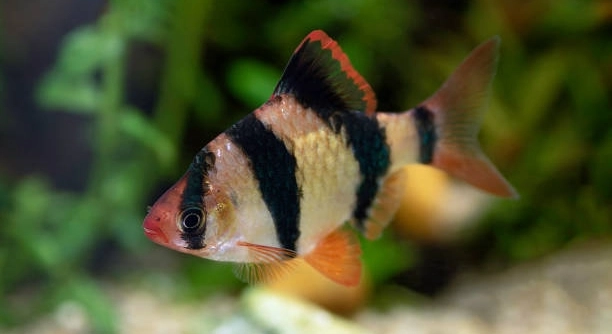
Are your tiger barbs showing signs of stress or unusual behavior in your aquarium? Many common tank habits can unintentionally upset these active fish. Understanding what affects their well-being is key to maintaining a healthy environment.
Seven specific tank habits, such as overcrowding, inconsistent water parameters, and improper feeding routines, can cause stress and aggression in tiger barbs. These habits disrupt their natural behavior and overall health, leading to a decline in their condition and vitality.
Recognizing these habits early helps improve your fish’s environment and promotes a balanced, peaceful tank community. Maintaining proper care benefits both tiger barbs and their tank mates.
Overcrowding the Tank
Keeping too many tiger barbs or other fish in one tank can quickly lead to overcrowding. When space is limited, tiger barbs may become stressed and aggressive. They need room to swim and establish territories. Overcrowding also affects water quality by increasing waste buildup, which can harm fish health. Proper tank size depends on the number of fish and their activity level. A general rule is one gallon of water per inch of fish, but tiger barbs are active swimmers and may need more space. Regularly check how many fish you have and consider upgrading the tank if it feels cramped. A well-sized tank helps reduce stress and aggression, promoting a balanced community.
Overcrowding leads to stress and poor water quality, directly impacting tiger barbs’ health and behavior in the aquarium.
Providing ample space for your tiger barbs allows them to swim freely and reduces aggression. A larger tank also helps maintain stable water conditions by diluting waste and toxins. This stability supports their immune system and reduces disease risks. Planning tank size according to your fish count is essential for their well-being. It also creates a more visually pleasing and natural environment. Careful stocking and regular monitoring keep your tank balanced and your tiger barbs comfortable.
Inconsistent Water Conditions
Maintaining stable water parameters is critical for tiger barbs. Sudden changes in temperature, pH, or hardness can cause stress. These fish thrive in water with temperatures between 74°F and 78°F and a pH around 6.5 to 7.5. Frequent fluctuations make it harder for them to adapt and can weaken their immune system. Testing water regularly helps catch problems early. Use a reliable heater and filter to keep conditions steady. Avoid large water changes that shock the fish; instead, make gradual adjustments. Consistent care supports their health and reduces unwanted aggressive behavior.
Unstable water conditions harm tiger barbs by causing stress and weakening their resistance to disease.
Water quality and stability are among the most important factors in keeping tiger barbs healthy. These fish come from tropical environments where conditions remain fairly steady. Rapid shifts in temperature or pH in your aquarium disrupt their natural balance. This can lead to stress symptoms like hiding, loss of appetite, or fin damage. A proper filtration system helps remove waste and keeps the water clean. Heaters maintain a constant temperature, while partial water changes remove toxins without shocking the fish. Monitoring water parameters frequently ensures you catch issues before they affect your fish. Consistent water care helps tiger barbs thrive and reduces conflicts among tank mates.
Improper Feeding Habits
Feeding tiger barbs too much or too little can cause health and behavior problems. Overfeeding leads to poor water quality, while underfeeding stresses the fish and causes aggression.
Feeding tiger barbs an unbalanced diet can impact their health. These fish benefit from a varied diet that includes high-quality flakes, pellets, and occasional live or frozen foods like bloodworms or brine shrimp. Overfeeding results in leftover food decomposing in the tank, which raises ammonia levels and harms water quality. Underfeeding, on the other hand, can lead to malnutrition, weakening their immune system and increasing aggressive behavior due to competition for food. Establishing a consistent feeding schedule with appropriate portions helps maintain water quality and supports their health.
Regularly monitor feeding amounts and remove uneaten food promptly. Feeding two to three small meals daily is usually sufficient. This routine prevents overfeeding and ensures tiger barbs receive necessary nutrients without polluting the tank. Adjust feeding based on fish size, age, and activity level to keep them healthy and less aggressive. A balanced diet paired with proper feeding habits encourages peaceful behavior and improves overall vitality.
Lack of Hiding Places
Tiger barbs need hiding spots to feel secure and reduce stress. Without these, they may become more aggressive and anxious.
Providing adequate shelter in the tank helps create a comfortable environment for tiger barbs. Plants, rocks, and decorations offer hiding places that break line of sight, allowing fish to escape from dominant individuals. This reduces territorial disputes and helps maintain peace. Natural or artificial plants and caves are useful options. The more complex the environment, the less stressed the fish will be. Stress from lack of cover can weaken their immune system, making them prone to illness.
Hiding places mimic their natural habitat where they seek refuge from predators. A well-structured tank encourages natural behaviors and helps shy fish feel safe. Regularly rearranging decorations can prevent dominant fish from claiming all territories. This creates a more balanced social dynamic. Consider the size and number of tiger barbs when choosing decorations to ensure enough shelter for everyone. Proper hiding spots are essential for a peaceful and healthy aquarium.
Incompatible Tank Mates
Choosing the wrong tank mates can increase aggression in tiger barbs. Avoid slow or long-finned fish that may become targets.
Tiger barbs are active and sometimes nippy. They do best with similarly sized, fast-moving fish that can handle their energy. Avoid keeping them with delicate species, as this can lead to stress and injuries for both.
Sudden Changes in Lighting
Abrupt changes in lighting can startle tiger barbs and cause stress. Consistent, gradual light cycles are best for their comfort.
Maintain a regular day-night cycle using timers if possible. Sudden bright lights or darkness can disrupt their natural rhythm and lead to aggressive or erratic behavior.
Poor Tank Maintenance
Neglecting regular tank cleaning and water changes harms water quality, stressing tiger barbs and encouraging disease.
Routine maintenance, including partial water changes and filter cleaning, is essential. Good water quality supports the health and behavior of your fish.
FAQ
How many tiger barbs should I keep in one tank?
Tiger barbs are schooling fish and do best in groups of six or more. Keeping fewer than six can lead to increased aggression as they may bully each other or other fish. Larger groups help spread out aggressive behavior, reducing stress. The tank size should also accommodate their activity level, ideally 20 gallons or more for a small school. Overcrowding beyond this can cause stress and poor water quality, so balance fish numbers with tank size for a healthy environment.
What is the ideal water temperature for tiger barbs?
Tiger barbs thrive in water temperatures between 74°F and 78°F (23°C to 26°C). Maintaining a stable temperature within this range is important to prevent stress and illness. Use a reliable aquarium heater to keep the temperature steady. Sudden fluctuations outside this range can weaken their immune system and cause behavioral problems. Regularly monitor water temperature, especially during seasonal changes, to ensure your tiger barbs remain comfortable and healthy.
Can tiger barbs live with other fish species?
Yes, but choosing compatible tank mates is essential. Tiger barbs are semi-aggressive and active, so they do well with other fast, similarly sized fish such as danios, barbs, and certain tetras. Avoid slow-moving or long-finned species like angelfish or bettas, as tiger barbs may nip their fins, causing stress or injury. Providing enough space and hiding spots also helps maintain harmony. Observe fish behavior regularly to prevent bullying or territorial disputes.
How often should I feed my tiger barbs?
Feed tiger barbs two to three times daily with small portions that they can consume in about two minutes. Overfeeding can pollute the water and cause health problems, while underfeeding may increase aggression due to competition. Offer a balanced diet including high-quality flakes, pellets, and occasional live or frozen foods like bloodworms or brine shrimp. Remove uneaten food promptly to maintain water quality and prevent waste buildup.
Why do my tiger barbs nip at other fish?
Nipping is natural for tiger barbs but can worsen due to stress factors like overcrowding, lack of hiding places, or incompatible tank mates. It often serves to establish dominance or defend territory. Ensuring adequate space, providing plenty of hiding spots, and choosing suitable tank mates can reduce aggressive nipping. Sometimes increasing the school size helps spread aggression evenly. Addressing these causes will improve the overall peace in your aquarium.
What signs show that my tiger barbs are stressed?
Common signs of stress include hiding frequently, loss of appetite, faded coloration, rapid breathing, or erratic swimming. Physical symptoms like damaged fins or lesions may also appear. Stress often results from poor water quality, overcrowding, sudden environmental changes, or bullying. Regularly test water parameters and observe fish behavior to catch stress early. Taking corrective action improves their health and reduces aggressive tendencies.
How often should I change the water in my tiger barb tank?
Perform partial water changes of 20-30% weekly to maintain good water quality. Frequent water changes remove harmful toxins like ammonia and nitrate and help stabilize water parameters. Avoid changing too much water at once, which can shock your fish. Use a water conditioner to remove chlorine and chloramine from tap water. Consistent maintenance keeps tiger barbs healthy and reduces stress-related behaviors.
Is it necessary to provide hiding spots for tiger barbs?
Yes, hiding places reduce stress and aggression by offering refuge from more dominant fish. Plants, rocks, and decorations break sight lines and give fish space to retreat. This helps balance social interactions and supports natural behavior. A tank with adequate shelter encourages peace and improves overall fish welfare. Regularly update or rearrange decorations to prevent territorial conflicts.
Final Thoughts
Tiger barbs are lively and colorful fish that bring energy to any aquarium. However, their care requires attention to specific habits that can affect their health and behavior. Avoiding overcrowding, maintaining stable water conditions, and providing proper feeding routines are important steps. These habits help reduce stress and aggression among tiger barbs. When the tank environment supports their needs, they display their natural behaviors and vibrant colors more fully. Consistency in care is key to creating a peaceful and healthy aquarium.
Tank maintenance plays a vital role in the well-being of tiger barbs. Regular water changes, proper filtration, and cleaning reduce harmful substances and keep water parameters stable. Neglecting these tasks can quickly lead to poor water quality, which stresses the fish and may cause disease. It is also essential to select compatible tank mates and create hiding spots for tiger barbs. These small details influence their comfort and can prevent conflicts in the tank. Paying close attention to these factors helps ensure your tiger barbs live longer, healthier lives.
Understanding the specific needs of tiger barbs allows hobbyists to provide an environment where these fish thrive. This includes controlling the number of fish, feeding them correctly, and monitoring their surroundings carefully. When these habits are followed, tiger barbs show less aggression and more natural behavior. Their active nature and striking appearance make them rewarding fish to keep. By maintaining good tank habits, owners can enjoy a lively, balanced aquarium that benefits all its inhabitants.

Hello,
If you enjoy the content that we create, please consider saying a "Thank You!" by leaving a tip.
Every little bit helps us continue crafting quality advice that supports the health, happiness, and well-being of pets around the world, for pets of all shapes, sizes, and species.
We really appreciate the kindness and support that you show us!