
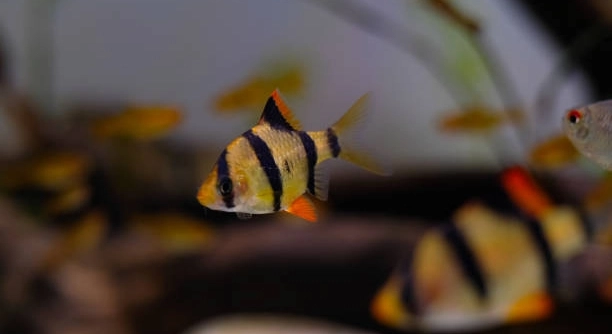
Tiger barbs are lively and colorful fish often kept in home aquariums. Their active nature can sometimes cause stress or disrupt tank harmony. Managing their behavior is important for a peaceful and healthy environment.
Calming an overactive tiger barb involves adjusting tank conditions, providing proper diet, and creating hiding spaces to reduce stress. Regular maintenance and compatible tank mates also help balance their activity levels.
Knowing how to calm your tiger barb can improve both the fish’s wellbeing and your aquarium’s overall atmosphere. This article will share practical tips to help you achieve that balance.
Adjust the Tank Environment
The tank environment plays a big role in calming an overactive tiger barb. First, make sure the tank is large enough; a small space can cause the fish to become stressed and restless. Ideally, the tank should be at least 20 gallons for a small group of tiger barbs. Adding plants and decorations helps create hiding spots and breaks up open swimming areas, which can reduce aggressive or overly energetic behavior. Maintaining stable water conditions is also important. Regularly check the temperature, pH, and cleanliness to keep the tank comfortable for the fish. Avoid sudden changes in light or water quality, as these can startle tiger barbs and increase their activity. The right environment encourages natural behavior and calmness.
Proper tank setup can reduce stress and hyperactivity in tiger barbs. Creating a stable, enriched space supports their wellbeing.
A well-set tank offers plenty of space and cover, helping tiger barbs feel safe and secure. This lowers their urge to swim erratically or chase other fish. Simple changes like adding plants or rearranging decorations can make a big difference. Stability in water quality and temperature also prevents stress spikes. Paying attention to these details helps keep your tiger barbs calmer and healthier over time.
Provide a Balanced Diet
Feeding your tiger barbs well is essential for controlling their energy levels. Overfeeding or poor-quality food can lead to excess energy and agitation.
A balanced diet with high-quality flakes, pellets, and occasional live food keeps tiger barbs healthy and satisfied.
Tiger barbs need a diet rich in protein but also varied to meet their nutritional needs. High-quality flakes or pellets designed for tropical fish are good staples. Supplementing their diet with live or frozen foods like brine shrimp or bloodworms adds nutrients and keeps their interest in feeding high. Feeding smaller amounts two to three times daily prevents overeating, which can cause restlessness. Avoid overfeeding as leftover food can pollute the water and increase stress. A well-fed tiger barb is less likely to exhibit hyperactive or aggressive behavior, making your tank more peaceful. Consistency in feeding times and amounts also helps establish a routine, which can calm their activity.
Maintain Consistent Water Quality
Regular water changes are vital to keeping tiger barbs calm. Clean water reduces stress and keeps their environment stable.
Perform partial water changes of about 20-30% weekly. This removes waste and toxins that can build up quickly in smaller tanks. Test water parameters often to catch any imbalances early, especially ammonia, nitrite, and nitrate levels. Using a good filtration system also helps maintain clear, healthy water. Avoid overcrowding the tank, as too many fish can cause pollution to rise faster and increase stress.
Stable water conditions support healthy fish behavior. Sudden changes or dirty water can make tiger barbs nervous and overly active. Keeping the tank clean and balanced is one of the simplest ways to reduce hyperactivity and promote peace among your fish.
Choose Compatible Tank Mates
Tiger barbs are semi-aggressive, so selecting the right tank mates can reduce stress and excessive activity. Avoid slow-moving or long-finned fish that might trigger aggression.
Ideal companions include other active but peaceful fish like danios or barbs of similar size. Keeping tiger barbs in groups of at least six also helps spread out aggression within their own species. When fish get along, the overall tank environment feels less tense, which calms all the inhabitants. Introducing new fish gradually and monitoring behavior is key to maintaining harmony. Properly chosen tank mates balance the energy and reduce conflict, creating a more stable and peaceful aquarium for everyone.
Provide Adequate Hiding Spots
Tiger barbs need places to retreat to feel safe. Without enough hiding spots, they can become stressed and restless.
Use plants, rocks, and decorations to create shaded areas and hiding spaces. This helps reduce their activity and aggression.
Control Lighting
Bright or constantly changing lighting can make tiger barbs more active and anxious. Use a timer to maintain a consistent day-night cycle.
Dimmer or natural light levels encourage calm behavior. Avoid sudden lights on or off, which can startle the fish.
Avoid Overcrowding
Too many fish in one tank increases competition and stress. Keep your tank stocked according to its size and filtration capacity.
Overcrowding leads to aggressive and hyperactive behavior, which affects the whole aquarium’s balance.
FAQ
Why are my tiger barbs so hyperactive?
Tiger barbs are naturally energetic fish, but their hyperactivity can be caused by several factors. Small or overcrowded tanks limit their swimming space, increasing stress and frantic behavior. Poor water quality or sudden changes in temperature also make them restless. Lack of hiding spots or incompatible tank mates can heighten aggression and movement. Ensuring a proper environment with enough room, clean water, and calm companions helps reduce their hyperactivity.
How can I tell if my tiger barbs are stressed?
Signs of stress in tiger barbs include rapid swimming, darting around the tank, frequent hiding, loss of appetite, and faded colors. They may also become aggressive or nip at other fish. Observing these behaviors consistently means something in their environment might be causing discomfort or anxiety, such as poor water conditions, overcrowding, or a lack of shelter.
What size tank is best for tiger barbs?
A minimum of 20 gallons is recommended for a small group of tiger barbs. Because they are active swimmers and social fish, a larger tank is better to provide enough space for movement and to reduce territorial behavior. Overcrowding in smaller tanks leads to stress and increases their hyperactive tendencies.
Can tiger barbs live with other fish?
Yes, tiger barbs can live with other fish, but choosing compatible species is important. Avoid slow-moving or long-finned fish, as tiger barbs may nip at them. Suitable tank mates include other active fish like danios, barbs of similar size, and some tetras. Keeping tiger barbs in groups of six or more also helps minimize aggression within their own species.
How often should I feed my tiger barbs?
Feeding tiger barbs two to three times a day in small amounts is ideal. Overfeeding can lead to excess energy, poor water quality, and health issues. A varied diet that includes high-quality flakes or pellets, along with occasional live or frozen foods, keeps them healthy and less restless.
What plants are good for hiding spots in a tiger barb tank?
Live plants such as Java fern, Anubias, and Amazon sword are excellent choices. These plants are hardy and provide dense areas where tiger barbs can hide and feel secure. Floating plants can also help diffuse light and reduce stress. Adding natural or artificial decorations complements plants by offering additional shelter.
How do I maintain stable water conditions?
Regular partial water changes (about 20-30% weekly) help remove toxins and keep the water clean. Testing water parameters often—especially ammonia, nitrite, nitrate, and pH—is crucial. Using a reliable filtration system supports water quality. Avoid sudden changes in temperature or water chemistry, as these can disturb the fish and increase their activity.
Why does lighting affect tiger barb behavior?
Bright or inconsistent lighting can cause stress and excessive activity. Tiger barbs are sensitive to sudden changes and overly intense light, which can startle them. A stable day-night cycle with moderate light levels helps maintain calm behavior. Using a timer ensures the lighting remains consistent without manual intervention.
Can I calm tiger barbs without medication?
Yes, calming tiger barbs typically involves improving their environment rather than medication. Providing enough space, proper diet, stable water conditions, hiding spots, and compatible tank mates are the best ways to reduce stress and hyperactivity. Medication is rarely needed unless treating illness.
What should I do if my tiger barbs continue to act aggressively?
If aggression persists, check the tank size and population to ensure it’s not overcrowded. Increase hiding spaces and review the mix of fish species to avoid incompatible tank mates. Sometimes separating overly aggressive individuals temporarily can help. Adjusting feeding habits and monitoring water quality also reduces tension in the tank.
Final Thoughts
Keeping tiger barbs calm takes attention to several small details that together create a healthy environment. It is important to provide enough space for the fish to swim freely without feeling crowded. A tank that is too small or overstocked can increase stress and cause them to become more active than usual. Giving them room and places to hide helps them feel safe and lowers their stress levels. Regular care, like cleaning the tank and checking water quality, also plays a key role in keeping the fish calm and healthy.
Feeding your tiger barbs a balanced and varied diet helps control their energy. Overfeeding or giving the wrong type of food can make them restless and cause problems in the tank. Small, frequent meals with good-quality fish food and occasional live or frozen treats keep their bodies nourished and their behavior stable. Watching their feeding habits and adjusting amounts as needed can prevent overeating and help maintain a peaceful aquarium.
Finally, choosing the right tank mates and managing light and noise can greatly affect the mood of your tiger barbs. Fish that are too slow or delicate may get bullied, which increases stress and activity. Grouping tiger barbs with similar-sized, peaceful fish supports calm interactions. A steady light schedule avoids sudden changes that startle the fish. Together, these simple steps build a balanced and comfortable environment where your tiger barbs can thrive without excess energy or stress. Paying attention to these factors makes caring for tiger barbs a more rewarding experience.

Hello,
If you enjoy the content that we create, please consider saying a "Thank You!" by leaving a tip.
Every little bit helps us continue crafting quality advice that supports the health, happiness, and well-being of pets around the world, for pets of all shapes, sizes, and species.
We really appreciate the kindness and support that you show us!