
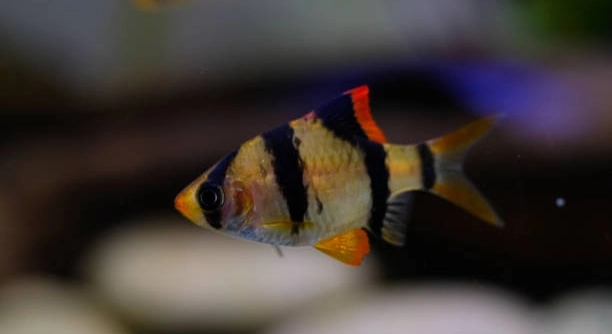
Tiger Barbs are lively fish that often show interesting behaviors in home aquariums. They sometimes act protectively around certain objects, including the air stone. This behavior can seem curious to fish keepers observing their tank.
Tiger Barbs guard the air stone because it is a key source of oxygen and movement in their environment. Protecting it helps maintain their territory and ensures steady water flow, which is vital for their comfort and health in the aquarium.
Understanding why Tiger Barbs act this way can help improve tank setups and promote healthier fish behavior. This article explores the reasons behind their guarding instincts.
Why Tiger Barbs Focus on the Air Stone
Tiger Barbs often spend time near the air stone because it adds oxygen and movement to the water. These fish are naturally active and enjoy areas with more current. The air stone releases bubbles that help circulate water, which keeps oxygen levels steady. Tiger Barbs seem to recognize this and stay close to benefit from better breathing conditions. This guarding behavior also helps them mark their territory, as the air stone creates a central spot in the tank. When they protect this area, it may reduce competition with other fish. The bubbles also provide a form of stimulation, making the environment more engaging for them. Their tendency to guard the air stone can sometimes appear aggressive, but it is mainly about maintaining comfort and safety. Understanding this behavior can help aquarists create better environments by placing air stones thoughtfully and observing how their fish interact with the tank.
The air stone improves oxygen flow, which is essential for Tiger Barbs’ well-being. Guarding it helps them keep a safe, oxygen-rich area.
Watching how Tiger Barbs interact with the air stone reveals their natural instincts to control important resources. The bubbles encourage movement and activity, which Tiger Barbs need to stay healthy. Their protective nature around this feature can also influence tank dynamics, affecting how other fish behave nearby. Recognizing this can guide decisions on tank decoration and placement of equipment, ensuring all fish have access to vital areas. It also highlights the importance of regular maintenance, as a clogged or malfunctioning air stone can cause stress. Overall, the guarding behavior shows how much Tiger Barbs rely on environmental elements to feel secure and thrive.
The Role of Territory in Tiger Barb Behavior
Tiger Barbs are territorial fish that often claim specific tank areas. Their guarding behavior around the air stone is part of this natural instinct.
Territorial behavior helps Tiger Barbs establish boundaries and reduce conflicts in shared spaces. They may chase other fish away from their chosen spots, especially places with good oxygen or hiding options. This behavior supports their social hierarchy and keeps the tank environment balanced. In a well-planned aquarium, recognizing these territorial needs can minimize stress and fighting. Providing enough space and multiple areas of interest can help Tiger Barbs coexist peacefully. Knowing how they guard important resources like the air stone allows owners to arrange tanks that respect these instincts, leading to healthier fish and a calmer aquarium overall.
How Air Stones Affect Tank Dynamics
Air stones increase oxygen levels and water movement, which helps maintain a healthy tank environment. This makes the area around the air stone more attractive to Tiger Barbs.
The bubbles from an air stone create a current that stimulates fish activity. Tiger Barbs, being active swimmers, use this current for exercise and play. The oxygen-rich water near the air stone also supports their metabolism. Because this spot offers both physical and environmental benefits, Tiger Barbs tend to stay close, sometimes showing guarding behavior. This helps them secure the best area in the tank, keeping them comfortable and active.
The air stone’s presence can also influence how other fish interact in the tank. When Tiger Barbs guard it, other fish may avoid the area, reducing overcrowding. This can help balance territorial disputes. Placing multiple air stones or similar features around the tank can spread out activity and lessen conflicts. Knowing this, tank owners can design setups that encourage peaceful coexistence among different fish species.
Signs That Tiger Barbs Are Guarding the Air Stone
Tiger Barbs often show signs like chasing other fish or frequent swimming near the air stone. This behavior signals their guarding instinct.
Chasing is a common way Tiger Barbs protect their space around the air stone. They may nip or push other fish away to maintain control. Constant patrolling near the air stone is another sign, as the fish stay alert for intruders. These behaviors help them keep access to oxygen-rich water and movement. Observing these signs early can help aquarists adjust tank conditions, such as adding hiding spots or rearranging decorations. This reduces stress and aggression, improving the overall tank environment.
Managing Aggression Around the Air Stone
Providing multiple air stones can reduce guarding behavior by spreading out oxygen-rich areas. This helps Tiger Barbs share space more easily.
Adding plants or decorations near air stones gives fish extra hiding spots. This lowers stress and can decrease aggressive guarding around these key areas.
Improving Tank Setup to Reduce Guarding
Position air stones in different locations to create several oxygen-rich zones. This allows Tiger Barbs to move freely without feeling the need to guard one spot. Adding plants and decorations also helps by breaking lines of sight and offering retreats. When the environment feels spacious and secure, fish tend to be less territorial. Regularly monitoring fish behavior and adjusting tank layout can improve harmony. These steps create a better experience for both the fish and the tank owner by reducing conflict and stress in the aquarium.
When to Intervene in Aggressive Behavior
If aggression becomes severe, separating aggressive fish might be necessary. Observing fish closely helps decide when to act.
FAQ
Why do Tiger Barbs guard the air stone more than other areas?
Tiger Barbs guard the air stone because it is a main source of oxygen and water movement in the tank. They prefer to stay close to areas that offer better breathing conditions. The bubbles create a current that stimulates their natural swimming behavior. This makes the air stone a valuable spot, leading them to protect it from other fish.
Can guarding the air stone cause harm to other fish?
Yes, guarding can sometimes lead to aggressive behavior like chasing or nipping. This can stress other fish, especially smaller or less active species. If aggression becomes frequent or severe, it can cause injury or stress-related health problems. It’s important to watch your fish and intervene if needed.
How can I reduce guarding behavior around the air stone?
Adding multiple air stones in different parts of the tank can help spread out the oxygen-rich areas, reducing competition. Providing plenty of plants and hiding spots also gives fish places to retreat and lowers stress. Adjusting the tank layout to break clear lines of sight between fish helps reduce territorial aggression.
Is it normal for Tiger Barbs to be aggressive in general?
Tiger Barbs are naturally semi-aggressive and territorial. They often chase or nip at other fish, especially if they feel their space is threatened. This behavior is normal but can be managed with proper tank size, decorations, and peaceful tank mates.
What tank mates work well with Tiger Barbs?
Good tank mates for Tiger Barbs are usually other active, semi-aggressive fish that can hold their own. Avoid slow-moving or long-finned fish, as they may become targets. Suitable companions include danios, other barbs, and certain types of tetras. Always monitor interactions to keep peace.
Does the size of the tank affect guarding behavior?
Yes, smaller tanks limit space and increase competition for resources like oxygen and territory. In cramped conditions, Tiger Barbs are more likely to guard the air stone and become aggressive. A larger tank with enough room for each fish reduces guarding and stress.
Can a malfunctioning air stone increase guarding behavior?
If the air stone stops producing bubbles or reduces oxygen flow, Tiger Barbs may guard it more aggressively. They try to protect this vital resource, especially if the tank’s overall oxygen level drops. Regular maintenance of the air stone is important to prevent this.
Should I remove an aggressive Tiger Barb from the tank?
If one fish is overly aggressive and causes harm, separating it temporarily or permanently can be necessary. Sometimes aggression is linked to individual temperament or health issues. Removing or isolating the fish helps protect others and keeps the tank peaceful.
How often should I clean or replace the air stone?
Cleaning the air stone every few weeks prevents clogging and maintains proper bubble flow. Replacement depends on wear but usually every few months is recommended. Regular care ensures the air stone stays efficient, supporting fish health and reducing guarding stress.
Does the guarding behavior change as Tiger Barbs age?
Guarding can be stronger in younger, more active Tiger Barbs establishing territory. As they mature, some become less aggressive, though this varies by individual. Older fish may still guard valuable spots, but often with less intensity. Monitoring behavior over time helps adjust tank management.
Can diet influence aggression around the air stone?
A balanced diet supports overall fish health and can reduce irritability. Hungry or stressed fish may be more aggressive when guarding resources. Feeding Tiger Barbs regularly and with proper nutrition helps maintain calmer behavior.
Are there any signs that guarding behavior is causing stress?
Signs include fish hiding excessively, loss of appetite, damaged fins, or erratic swimming. If other fish avoid the air stone area completely or seem fearful, guarding may be too intense. These signs mean it’s time to adjust the tank environment or consider intervention.
Can rearranging tank decorations help with guarding?
Yes, changing the tank layout can break up sight lines and reduce territorial disputes. Adding plants or rocks near the air stone offers retreats and distracts fish from constant guarding. Rearranging helps create a more balanced and calm aquarium.
Is it possible to train Tiger Barbs to be less aggressive?
Training fish is limited, but consistent tank conditions, proper environment, and stress reduction can influence behavior. Over time, calmer settings encourage less guarding and aggression. Avoid sudden changes and keep the tank stable for best results.
Do Tiger Barbs guard other equipment besides the air stone?
Sometimes Tiger Barbs guard filters, heaters, or other tank features that affect water flow or oxygen levels. They see these as important parts of their territory. Understanding this helps when arranging equipment to minimize conflict.
How do water quality and temperature affect guarding behavior?
Poor water quality or incorrect temperature can stress fish, increasing aggression and guarding. Maintaining clean water and stable temperatures reduces stress and promotes peaceful behavior. Regular testing and care are essential for a calm tank.
What role does social structure play in guarding behavior?
Tiger Barbs have a social hierarchy that affects how they guard territory. Dominant fish may control the air stone area, while others accept lower status. Providing enough space and hiding spots helps balance this structure and reduces fighting.
Can overcrowding increase guarding behavior?
Yes, overcrowded tanks cause stress and competition for resources. This makes guarding more intense and aggressive behavior more common. Keeping appropriate stocking levels is key to preventing these problems.
Should air stones be left on all the time?
Keeping air stones running continuously ensures steady oxygen flow and water movement. This supports fish health and reduces guarding stress. Turning them off for long periods can cause oxygen dips and increase competition.
Are there signs that the air stone is benefiting the Tiger Barbs?
Active swimming near the air stone, bright colors, and healthy appetite are good signs. When fish seem comfortable and interact calmly around the bubbles, the air stone is supporting their needs.
Tiger Barbs guarding the air stone is a common behavior that comes from their need for oxygen and their natural territorial instincts. The air stone provides bubbles that help move water and increase oxygen levels, which are very important for these active fish. Because of this, Tiger Barbs tend to stay close and protect this valuable spot in the tank. While this behavior can sometimes look aggressive, it is mainly about their comfort and survival. Understanding this helps fish owners better manage their tanks and care for their fish.
There are simple ways to reduce guarding behavior and keep the tank peaceful. Providing multiple air stones creates several oxygen-rich areas, which helps spread out the fish and lowers competition. Adding plants, rocks, and decorations near air stones gives fish places to hide and feel safe. These changes reduce stress and aggression, making the aquarium a more balanced place for all the fish. Also, maintaining good water quality and proper tank size is important. When fish have enough space and clean water, they are less likely to fight over territory.
Watching Tiger Barbs closely and adjusting the tank setup as needed is key to healthy fish behavior. Sometimes aggression means changes are needed, like moving decorations or adding more hiding spots. In rare cases, separating very aggressive fish may be necessary to protect others. By paying attention to how Tiger Barbs interact with the air stone and their tank mates, fish owners can create a better environment. This keeps the fish active, healthy, and less stressed, which makes the aquarium more enjoyable for everyone.

Hello,
If you enjoy the content that we create, please consider saying a "Thank You!" by leaving a tip.
Every little bit helps us continue crafting quality advice that supports the health, happiness, and well-being of pets around the world, for pets of all shapes, sizes, and species.
We really appreciate the kindness and support that you show us!