
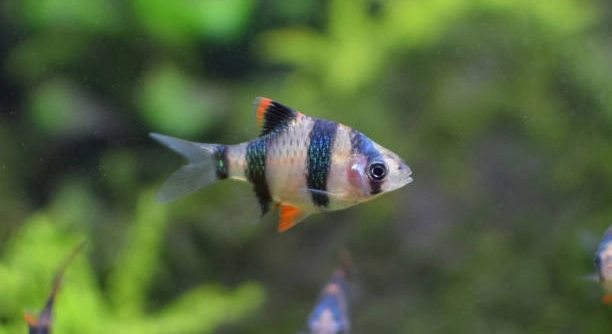
Barbs are small freshwater fish known for their lively behavior and bright colors. Their changing colors often reflect different moods and conditions. Recognizing these shifts can help better understand their well-being and environment.
Barbs exhibit specific color changes that correspond to their mood states. Darker hues typically indicate stress or aggression, while brighter colors often reflect happiness or comfort. These visual cues provide insight into their emotional and physical health.
Observing these color shifts allows you to connect more closely with your barb’s needs and behaviors. The following guide explains seven key color changes and what they reveal about your fish’s mood.
Darkening Colors: Signs of Stress
When barbs’ colors darken noticeably, it usually signals stress. This can happen due to changes in water quality, overcrowding, or sudden loud noises. Stress affects their immune system and behavior, making them more vulnerable to illness. It’s important to check water parameters regularly, maintain a clean tank, and avoid sudden disruptions to keep stress levels low. Darkening can also be a response to aggressive tank mates, so monitoring interactions is essential. Observing these changes early helps prevent more serious health problems. If stress persists, consider adjusting the environment to suit the barb’s needs better.
Darker coloration in barbs indicates their discomfort or stress, signaling the need for environmental or social changes. Immediate action can improve their health and mood.
Keeping a calm and stable environment is key. Avoid overcrowding by limiting the number of fish in the tank. Regular water changes and proper filtration maintain water quality, which is critical. Providing hiding spots like plants or decorations can reduce stress by giving barbs places to retreat. Watching their behavior closely along with color changes helps detect problems early. Taking these steps creates a healthier habitat, promoting vibrant colors and happier barbs.
Bright Colors: Indication of Comfort and Happiness
Bright, vivid colors in barbs generally show they are comfortable and healthy. When a barb feels safe and well cared for, its colors become more intense. This is often seen after feeding or during calm, peaceful periods in the tank. Bright colors are also a sign of good nutrition and proper tank conditions. Consistent lighting and a balanced diet rich in nutrients help maintain these vibrant hues. Bright coloration encourages social interaction and signals readiness to breed, reflecting overall well-being.
A brightly colored barb is a positive sign of good health and a stable environment.
To keep your barbs vibrant, focus on a proper diet and tank conditions. Offer a variety of foods like flakes, pellets, and occasional live or frozen treats to provide balanced nutrition. Avoid sudden changes in temperature or water chemistry, as barbs react sensitively. Consistent lighting that mimics natural daylight supports color development. Keeping the tank clean and well-maintained prevents stress, which can dull their appearance. Regular observation helps catch early signs of trouble, allowing for prompt care. When your barbs display their brightest colors, it means they feel secure and content, rewarding your efforts as a caretaker.
Faded Colors: A Sign of Illness
Faded colors in barbs often indicate illness or poor health. It can be caused by infections, parasites, or poor water quality. Noticing this early is important to provide treatment and prevent worsening.
When a barb’s colors fade, it is usually a sign that its immune system is weakened. This can happen if water conditions are not ideal or if the fish is exposed to harmful bacteria or parasites. Low oxygen levels and high ammonia or nitrate concentrations can also cause this fading. Addressing the tank environment and isolating the affected fish can help. Proper medication, when needed, supports recovery and helps restore the barb’s vibrant appearance.
A faded barb is a warning that something is wrong. Immediate attention to water quality, nutrition, and health is necessary. Regular tank maintenance and monitoring prevent many health problems. If illness is suspected, consulting a specialist or researching appropriate treatment can save the fish’s life. Taking action quickly improves chances of recovery and return to normal colors.
Color Changes During Breeding
Barbs often display intensified colors during breeding periods. Males especially show brighter patterns to attract females and signal readiness to mate.
This change is a natural behavior linked to reproduction. Bright colors help males stand out and compete for mates. During breeding, barbs may also show increased activity and territorial behavior. Proper tank conditions, such as clean water and suitable hiding places, encourage healthy breeding. Stress-free environments promote these natural color displays. Observing these shifts helps identify breeding readiness and supports successful reproduction. Keeping pairs or groups in well-maintained tanks enhances the chances of healthy offspring.
Dull Colors: Result of Poor Diet
A poor diet can cause barbs to lose their natural brightness. Without proper nutrients, their colors appear dull and lifeless.
Feeding a balanced diet with vitamins and minerals is essential. Lack of variety and low-quality food weakens their color and health over time. Including fresh and protein-rich foods improves coloration and vitality.
Stress-Induced Color Changes
Stress causes sudden, often unpredictable changes in barb coloration. This can range from dullness to dark patches appearing quickly.
Identifying and reducing stressors like overcrowding or aggressive tank mates helps barbs regain normal colors and stay healthy.
Aging and Color Changes
As barbs age, their colors may naturally fade or become less vibrant. This is a normal part of their life cycle.
Older fish may require gentler care and stable environments to maintain their comfort and appearance.
FAQ
Why do my barbs suddenly change color overnight?
Sudden color changes often result from stress or changes in water quality. If the tank conditions shift quickly—like a sudden temperature drop or poor water parameters—barbs react by altering their colors. It’s their way of coping with discomfort or warning of potential problems in their environment.
How can I tell if color changes are due to illness?
Illness-related color fading usually comes with other symptoms, such as lethargy, loss of appetite, or unusual swimming patterns. If your barb’s colors become dull or patchy and it behaves differently, it is likely unwell. Testing water and checking for parasites or infections is important.
Can barbs change color because of tank mates?
Yes, barbs may change colors when stressed by aggressive or dominant tank mates. Darker or duller colors often signal fear or submission. If you notice such changes, consider rearranging the tank or separating aggressive fish to reduce stress.
Do color changes indicate breeding readiness?
Brightening of colors is common in male barbs during breeding. They become more vivid to attract females and defend territory. This behavior usually occurs in healthy fish kept in a calm, clean environment with proper nutrition.
What diet helps keep barb colors bright?
A varied diet with high-quality flakes, pellets, and occasional live or frozen foods is best. Foods rich in carotenoids and vitamins promote vibrant coloration. Avoid overfeeding or only feeding one type of food, as this can dull their colors over time.
Is it normal for barbs to lose color as they age?
Yes, barbs often experience color fading as part of natural aging. Older fish may not display the same brightness as younger ones but still need stable care and good nutrition to stay comfortable.
How often should I check water quality to prevent color changes?
Testing water at least once a week is ideal. Regular checks for pH, ammonia, nitrite, and nitrate levels help catch problems before they affect your fish’s colors and health. Consistent maintenance keeps barbs healthy and colorful.
Can lighting affect barb coloration?
Yes, proper lighting enhances natural colors. Too little light makes colors fade, while too much can stress fish and cause dullness. Using full-spectrum aquarium lights that mimic daylight supports their vibrant appearance without causing harm.
What should I do if my barb’s color changes and it doesn’t improve?
If color changes persist despite stable tank conditions, consider consulting a vet or aquarium specialist. Persistent changes might indicate hidden health issues or environmental problems needing professional advice.
Are color changes reversible in barbs?
Many color changes caused by stress, diet, or environment are reversible if addressed promptly. Improving tank conditions, providing proper nutrition, and reducing stress often restore normal coloration within days or weeks.
Final thoughts on understanding barb color changes highlight how important it is to pay attention to these visual signals. Barbs communicate much of their mood and health through color shifts. Whether colors darken, brighten, fade, or dull, each change can tell you something about their current state. Recognizing these signs early helps prevent serious health problems and improves the overall care you provide. Consistent observation and care are key to keeping barbs healthy and vibrant.
Maintaining proper tank conditions plays a crucial role in supporting your barb’s natural colors. Clean water, stable temperature, and balanced nutrition all influence how well their colors show. Stress is one of the main reasons barbs lose their bright hues or change color abruptly. Avoiding overcrowding and aggressive tank mates reduces stress and creates a more peaceful environment. Providing hiding spots and a natural setting also encourages barbs to feel secure, which is reflected in their coloring. A well-maintained tank not only keeps your fish healthier but also makes their colors shine.
Color changes are a useful way to understand your barbs better. They reflect moods like stress, happiness, illness, or breeding readiness. Acting on these color signals by adjusting diet, environment, or care routines can make a big difference. Some changes are temporary and reversible, while others may require more attention. Paying close attention to these signs allows you to provide timely help and support. Keeping your barbs comfortable and healthy benefits both you and your fish, making the aquarium experience more rewarding.

Hello,
If you enjoy the content that we create, please consider saying a "Thank You!" by leaving a tip.
Every little bit helps us continue crafting quality advice that supports the health, happiness, and well-being of pets around the world, for pets of all shapes, sizes, and species.
We really appreciate the kindness and support that you show us!