
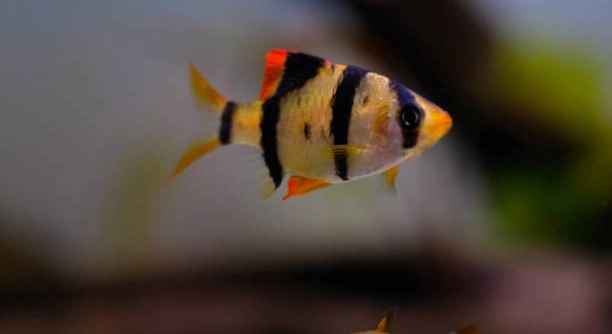
Tiger barbs are popular freshwater fish known for their vibrant colors and active behavior. Many aquarium enthusiasts enjoy keeping them because they bring energy and interest to home tanks. Their social nature often leads to questions about ideal group sizes.
Tiger barbs can be kept in small groups, but it is important to maintain at least five individuals to promote natural schooling behavior and reduce aggression. Smaller groups may lead to increased stress and territorial disputes, which can impact their health and well-being.
Keeping the right number of tiger barbs supports a balanced aquarium environment. This article will explain how group size affects their behavior and offer tips for successful care.
Why Small Groups of Tiger Barbs Can Be Problematic
Keeping tiger barbs in very small groups often leads to more aggression among the fish. These fish are naturally social and prefer to swim in schools. When kept in groups of fewer than five, they may become stressed and start to nip at each other more often. This behavior can cause injury or weaken their immune systems, making them more vulnerable to disease. In small groups, dominant fish can bully others, leading to uneven feeding and stress-related problems. It’s also harder for them to display their natural schooling behavior, which is important for their mental and physical health. Providing enough space and hiding spots in the tank can help, but group size remains a key factor for their well-being.
A group of five or more tiger barbs helps reduce aggression by encouraging natural social behavior.
Avoiding small groups is important to keep these fish healthy and calm.
Ideal Group Size and Tank Setup for Tiger Barbs
A minimum group size of five tiger barbs is generally recommended for maintaining peace in the tank. In this size, they feel safer and exhibit more natural schooling patterns, which reduce stress and aggressive behaviors. A larger group, around eight to ten, is even better to spread out any territorial behavior. Tank size should also be considered; at least 20 gallons is suitable for a small group. The tank should include plants, rocks, and decorations to create hiding spots and visual barriers. This setup allows the fish to establish their own spaces and reduces direct confrontations. Regular monitoring is necessary to observe any signs of stress or bullying. Adjusting the group size or rearranging the tank can improve harmony among the tiger barbs.
Creating a natural environment supports healthy social interaction in tiger barbs.
With the right group size and tank conditions, tiger barbs display their best behavior. This makes caring for them more rewarding and ensures they thrive in your aquarium.
Feeding Behavior in Small Groups
In small groups, tiger barbs may become competitive during feeding. This can lead to some fish getting less food, while others eat too much. Unequal feeding affects their health and growth.
When tiger barbs are kept in small groups, dominant individuals often control the feeding spots. This can cause weaker or shy fish to miss meals, leading to malnutrition or stress. Over time, uneven feeding affects their immune system and makes them more prone to illness. It is important to feed them multiple times a day in small portions to reduce competition. Offering food in different areas of the tank helps ensure all fish get a chance to eat. Using sinking pellets or flakes suitable for their size also improves feeding success.
A balanced diet is essential for maintaining their vibrant colors and active behavior. Small groups need careful feeding management to avoid problems.
Signs of Stress in Tiger Barbs
Stress in tiger barbs often shows through increased aggression, loss of color, or hiding more than usual. These signs can worsen if group size is too small.
Observing your fish daily can help catch early signs of stress. If you notice constant chasing, torn fins, or lethargy, it may be time to adjust their environment or group size. Stress can also cause loss of appetite and make fish more vulnerable to diseases like fin rot. Increasing group size, improving tank conditions, or adding plants can reduce stress levels. Maintaining water quality with regular changes is critical because poor water conditions increase stress.
Healthy tiger barbs are more active, colorful, and show normal schooling behavior without constant fighting.
Tank Size Considerations for Small Groups
A small group of tiger barbs needs enough space to swim freely and avoid stress. A tank of at least 20 gallons is recommended for five fish.
Crowded tanks increase aggression and reduce water quality. Proper tank size helps maintain a peaceful environment and healthy fish.
Monitoring Behavior Regularly
Regularly observing tiger barbs helps detect changes in aggression or health early. Watch for signs like constant chasing or hiding.
Adjustments to group size or tank setup can be made based on these observations. Early intervention prevents serious issues and supports fish well-being.
Importance of Water Quality
Maintaining clean water is crucial when keeping tiger barbs in small groups. Regular water changes and good filtration reduce stress and disease risk.
Adjusting Group Size Over Time
Fish behavior can change as they grow or as the environment changes. Be prepared to increase the group size or rearrange the tank to maintain harmony.
FAQ
How many tiger barbs should be kept together?
Keeping at least five tiger barbs together is essential for their natural social behavior. Smaller groups often lead to increased aggression and stress. Five or more fish encourage proper schooling and reduce bullying, helping maintain a peaceful tank environment.
Can tiger barbs be kept in groups smaller than five?
While it is possible, keeping fewer than five tiger barbs is not recommended. Small groups may lead to increased territorial behavior and aggression, which can cause injury and stress. These fish feel safer and behave more naturally in larger groups.
What size tank is suitable for a small group of tiger barbs?
A minimum of 20 gallons is recommended for a small group of five tiger barbs. This provides enough swimming space and helps maintain good water quality. Larger tanks offer better living conditions and reduce stress caused by overcrowding.
How does group size affect tiger barb aggression?
Group size has a direct impact on aggression levels. In small groups, dominant fish often target others more aggressively, while larger groups spread out the aggression. More fish in a school help balance social dynamics and reduce conflict.
What signs indicate that tiger barbs are stressed?
Signs of stress include increased chasing, loss of color, hiding, fin damage, and reduced appetite. Stress can weaken their immune system, making them prone to illness. Monitoring behavior daily helps catch these signs early.
How often should I feed tiger barbs in a small group?
Feed tiger barbs two to three times a day in small portions. Multiple feeding spots help reduce competition. Using a variety of foods such as flakes, pellets, and occasional live or frozen treats supports balanced nutrition.
Can the tank setup influence the behavior of small groups?
Yes, the tank environment plays a big role. Plants, rocks, and decorations provide hiding places and break up lines of sight. This helps reduce direct confrontations and stress in small groups.
Is water quality more important in small groups?
Maintaining good water quality is always important but becomes even more crucial in smaller groups. Waste can accumulate quickly in a smaller tank, so regular water changes and filtration keep fish healthy and stress-free.
What should I do if aggression increases in my small group?
If aggression rises, consider adding more tiger barbs to increase the group size or rearranging the tank decorations. Increasing hiding spots and monitoring water conditions can also reduce stress and aggression.
Are tiger barbs compatible with other fish in small groups?
Tiger barbs are semi-aggressive and may nip fins of slower, long-finned fish. Keeping them in a small group helps reduce their aggression towards tank mates, but choose tank mates carefully to avoid conflict.
How do I know if my tiger barbs are schooling properly?
Healthy tiger barbs swim together in loose groups, changing direction in sync. If they scatter or show frequent chasing, it may indicate stress or improper group size. Schooling behavior shows comfort and social harmony.
Can small groups of tiger barbs live happily long-term?
Yes, with proper care. Maintaining at least five fish, ensuring adequate tank size, good water quality, and sufficient hiding spots helps small groups thrive and display natural behaviors over time.
What foods help keep tiger barbs healthy in small groups?
A varied diet is best. High-quality flake or pellet food, supplemented with live or frozen bloodworms, brine shrimp, or daphnia, supports their health and coloration. Avoid overfeeding to maintain water quality.
How often should I clean the tank when keeping a small group?
Regular partial water changes—about 20-30% weekly—are ideal. Frequent cleaning helps maintain water quality, reducing stress and disease risk. Filter maintenance should follow manufacturer guidelines to ensure efficient operation.
What are the common health issues in small groups of tiger barbs?
Stress-related illnesses like fin rot, ich, and bacterial infections are more common if aggression or poor water quality occurs. Keeping a proper group size and tank conditions helps prevent these issues.
Is it necessary to quarantine new tiger barbs before adding them to a small group?
Yes, quarantining new fish for at least two weeks helps prevent introducing diseases to the existing group. Monitor the new fish’s health and behavior before mixing them into the main tank.
How do lighting and temperature affect tiger barb behavior in small groups?
Moderate lighting and a stable temperature between 74-79°F support active, healthy tiger barbs. Sudden changes can stress them and increase aggression. Keeping conditions steady helps maintain calm social interactions.
Can tiger barbs be bred in small groups?
Breeding is possible but can be challenging in small groups. Males may become more aggressive during spawning. Providing plenty of hiding places and a separate breeding tank can improve success rates.
What equipment is essential for keeping small groups of tiger barbs?
A good filtration system, heater, and thermometer are necessary to maintain stable conditions. Decorations and plants offer shelter, while a proper feeding routine keeps fish healthy. Regular monitoring completes care needs.
Keeping tiger barbs in small groups requires careful attention to their social needs and tank environment. These fish thrive best when kept in groups of five or more because it encourages natural schooling behavior and reduces aggression. When the group size is too small, tiger barbs can become stressed and show increased fighting, which may harm their health. Providing a suitable tank size with enough space and hiding places is essential to create a balanced environment where they feel safe and can interact comfortably.
Maintaining good water quality is equally important when caring for tiger barbs in small groups. Regular water changes and proper filtration prevent harmful buildup of waste and toxins that can stress the fish and lead to disease. Feeding the group properly with small portions several times a day ensures that all fish receive enough nutrition without causing competition or water pollution. Paying attention to their behavior daily helps detect early signs of stress or aggression so that adjustments can be made promptly. These combined efforts help keep the group healthy and reduce common problems associated with keeping tiger barbs in smaller numbers.
Overall, keeping tiger barbs in small groups is possible but requires consistent care and monitoring to maintain a peaceful environment. Meeting their social needs by providing a group of sufficient size, along with proper tank setup and water maintenance, supports their natural behavior and well-being. Small groups can thrive when these factors are balanced correctly, allowing tiger barbs to display their vibrant colors and active personalities. With patience and attention to detail, caring for tiger barbs in smaller groups can be a rewarding experience.

Hello,
If you enjoy the content that we create, please consider saying a "Thank You!" by leaving a tip.
Every little bit helps us continue crafting quality advice that supports the health, happiness, and well-being of pets around the world, for pets of all shapes, sizes, and species.
We really appreciate the kindness and support that you show us!