
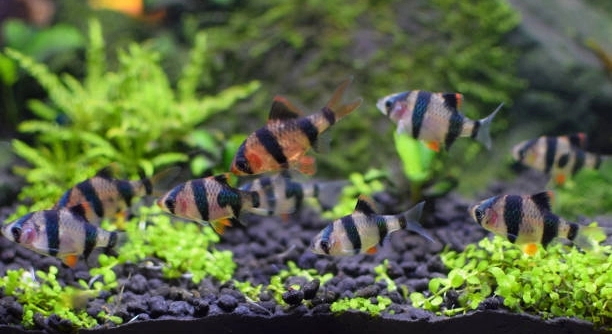
Keeping tiger barbs as pets can be rewarding but comes with specific challenges. These small, active fish require careful attention to their environment and social needs to stay healthy and content. Many owners find managing their care more complex than expected.
Tiger barbs face challenges such as maintaining proper water quality, providing adequate space, preventing aggression among tank mates, ensuring a balanced diet, and managing their schooling behavior. Each factor plays a critical role in promoting their well-being and happiness.
Recognizing these challenges helps improve your care routine and creates a better home for your tiger barbs. Understanding the details can make all the difference in their health and behavior.
Maintaining Proper Water Quality
Water quality is essential for keeping tiger barbs healthy. These fish are sensitive to ammonia, nitrites, and nitrates, which can build up quickly in a tank. Regular water changes and a good filtration system are necessary to keep these levels low. Testing the water frequently helps catch any issues early. The ideal temperature for tiger barbs is between 74 and 79°F, with a pH around 6.5 to 7.0. Sudden changes in water conditions can stress the fish and lead to illness. Keeping the tank clean and stable creates a better environment that supports their natural behavior and reduces stress.
Consistent water maintenance is key to avoiding health problems in tiger barbs.
Regular monitoring and proper filtration will keep your tank environment stable and your fish healthier for longer. This reduces stress and keeps your tiger barbs active and vibrant.
Preventing Aggression Among Tank Mates
Aggression is common in tiger barbs, especially when the group is too small. They are schooling fish and need to be kept in groups of six or more to spread out any aggressive behavior. When kept alone or in small numbers, they can become very territorial and nip at other fish. Choosing peaceful tank mates that can handle their active nature is important. Avoid slow-moving or long-finned fish that may become targets. Adding plenty of plants and hiding spots can help reduce stress and provide spaces to escape. Understanding their social behavior helps create a more peaceful aquarium where all fish can thrive without constant fighting.
Providing Adequate Space
Tiger barbs need enough room to swim freely. A crowded tank increases stress and aggression. A minimum of 20 gallons is recommended for a small group. Larger tanks help maintain stable water conditions and give fish space to establish territories.
Having adequate space reduces fighting and promotes natural behavior. Overcrowding can lead to poor water quality and health problems. With more room, tiger barbs are less likely to nip at each other or their tank mates.
A spacious tank also allows for more decorations and hiding spots, which can help calm the fish. Providing enough swimming space improves their overall well-being and lifespan.
Ensuring a Balanced Diet
Tiger barbs require a varied diet to stay healthy and colorful. Feeding only flakes is not enough; they need protein-rich foods like bloodworms, brine shrimp, and high-quality pellets. Supplementing with occasional vegetables like peas or spinach adds fiber.
Overfeeding can cause water pollution and health issues, so feed small amounts twice a day. Monitor their eating habits to avoid leftovers that decay and harm water quality. Proper nutrition strengthens their immune system and enhances their vibrant colors.
A balanced diet also supports their energy levels and growth. Feeding with care helps prevent obesity and digestive problems common in aquarium fish. Offering a mix of live, frozen, and dry foods meets their dietary needs effectively.
Managing Schooling Behavior
Tiger barbs are social fish that thrive in groups. Keeping at least six together helps reduce aggression and stress. Without a proper school, they become anxious and may act aggressively toward tank mates.
A larger group also encourages natural swimming patterns. This improves their overall health and makes the tank more lively.
Avoiding Overcrowding
Overcrowding causes poor water quality and stress, which weakens the immune system of tiger barbs. A properly sized tank with fewer fish prevents these issues and helps maintain balance.
Tank maintenance is easier and fish behave more naturally when space is not limited.
Providing Hiding Spots
Tiger barbs need places to retreat. Plants, rocks, and decorations create safe zones that reduce stress and aggression in the tank.
Hiding spots help fish feel secure and prevent constant chasing.
Monitoring Health
Regular observation of behavior and appearance is vital. Early signs of illness include faded colors, lethargy, or unusual swimming. Quick action can prevent disease spread.
Routine care keeps tiger barbs healthy and active.
FAQ
How often should I change the water in my tiger barb tank?
Regular water changes are essential to keep your tiger barbs healthy. Changing 20-25% of the tank water every week is a good practice. This helps remove harmful chemicals like ammonia and nitrates that build up over time. Consistency is key because sudden or infrequent changes can stress the fish.
What is the best tank size for tiger barbs?
A minimum of 20 gallons is recommended for a small group of six tiger barbs. Larger tanks are better for reducing aggression and maintaining water quality. Bigger tanks give the fish enough space to swim and establish their territories comfortably.
Can tiger barbs live with other fish species?
Yes, but tank mates should be chosen carefully. Tiger barbs are active and sometimes aggressive, so peaceful but fast-swimming fish work best. Avoid slow or long-finned fish as they might get nipped. Suitable companions include danios, barbs of similar size, and some catfish species.
How can I reduce aggression in my tiger barb tank?
Keeping tiger barbs in groups of six or more helps spread out aggressive behavior. Providing hiding spots and plants also reduces stress and territorial fights. Avoid overcrowding and monitor the fish regularly to catch signs of bullying early.
What should I feed my tiger barbs?
A varied diet is important. Offer high-quality flakes or pellets designed for tropical fish as a staple. Supplement with live or frozen foods like bloodworms, brine shrimp, and daphnia. Occasionally add vegetables such as peas or spinach to provide fiber and vitamins.
How do I tell if my tiger barb is sick?
Look for faded colors, clamped fins, lethargy, loss of appetite, or unusual swimming patterns. White spots or fungus are also signs of illness. Early detection allows quicker treatment and reduces the risk of spreading disease to other fish.
Is it necessary to keep tiger barbs in a school?
Yes, tiger barbs are schooling fish and feel safest in groups of at least six. Being in a school reduces stress and prevents aggressive behavior toward tank mates and each other. Small groups or solitary fish often become anxious and hostile.
What water parameters do tiger barbs prefer?
Tiger barbs thrive in water temperatures between 74 and 79°F and a pH range of 6.5 to 7.0. They prefer slightly soft to moderately hard water. Stable conditions are crucial since sudden fluctuations can cause stress and health problems.
How often should I feed tiger barbs?
Feed small amounts twice a day. Overfeeding can pollute the tank and cause health issues. Watch how much your fish eat within a few minutes and remove any uneaten food to maintain water quality.
Can tiger barbs jump out of the tank?
Yes, tiger barbs are active swimmers and may jump if startled or if water conditions are poor. Always use a tight-fitting lid or cover to prevent accidents.
How long do tiger barbs usually live?
With proper care, tiger barbs can live 5 to 7 years. Maintaining good water quality, providing a balanced diet, and managing stress will help them reach their full lifespan.
What decorations are best for tiger barb tanks?
Use sturdy plants, rocks, and driftwood to create hiding places and break up swimming areas. Avoid sharp or rough decorations that could injure active fish. Plants also help improve water quality and offer natural shelter.
Are tiger barbs good for beginners?
Tiger barbs are moderately easy to care for but require attention to water quality and social behavior. Beginners who are willing to keep proper tank conditions and maintain a suitable school can enjoy these lively fish.
How do I acclimate new tiger barbs to my tank?
Float the bag with the new fish in the tank water for 15-20 minutes to equalize temperature. Then slowly add small amounts of tank water to the bag over 30 minutes before releasing the fish. This helps reduce shock from water parameter changes.
What causes fin nipping in tiger barbs?
Fin nipping can result from boredom, stress, or aggression, especially if the group is too small or the tank is overcrowded. Providing enough tank mates, hiding spots, and enrichment reduces this behavior.
Can I breed tiger barbs at home?
Breeding tiger barbs is possible but requires a separate breeding tank and controlled conditions. They scatter eggs, which adults may eat, so removing parents after spawning is necessary for fry survival. Special care is needed for raising the young.
This FAQ covers common concerns to help keep tiger barbs healthy and happy in your aquarium. Following these guidelines will improve their care and reduce common problems.
Keeping tiger barbs happy requires attention to several important factors. Their environment needs to be stable, clean, and spacious enough to allow natural behavior. Water quality plays a major role in their health, so regular water changes and good filtration are necessary. The tank should be large enough to house a proper school of at least six tiger barbs. This reduces aggression and stress, as they are social fish that rely on schooling for comfort. Providing hiding spots with plants and decorations helps them feel secure and lessens tension within the group.
Feeding tiger barbs a balanced diet is also key to their well-being. They need more than just flakes; a variety of live, frozen, and vegetable foods keep them healthy and colorful. Overfeeding should be avoided because leftover food can pollute the water and cause illness. Observing their behavior and appearance regularly helps detect problems early. Faded colors, unusual swimming, or lethargy often signal health issues that need quick attention. When these basics are managed well, tiger barbs are active, vibrant, and live longer.
In summary, keeping tiger barbs happy is about creating the right environment, maintaining water quality, and meeting their social and dietary needs. Each of these factors contributes to reducing stress and aggression. The more effort put into proper care, the more rewarding it is to watch these lively fish thrive. With patience and consistency, tiger barbs can be a fascinating and enjoyable addition to any freshwater aquarium.

Hello,
If you enjoy the content that we create, please consider saying a "Thank You!" by leaving a tip.
Every little bit helps us continue crafting quality advice that supports the health, happiness, and well-being of pets around the world, for pets of all shapes, sizes, and species.
We really appreciate the kindness and support that you show us!