
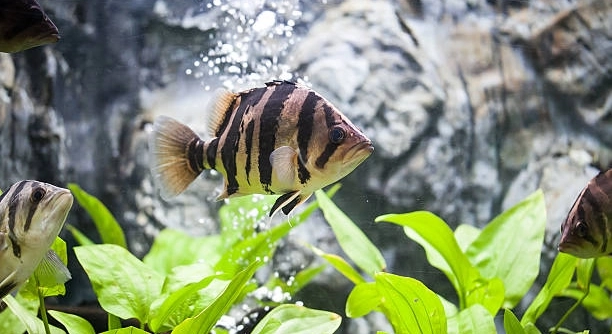
Have you ever wondered if your barbs sleep together in groups at night, especially when the lights go off in your tank?
Barbs do not sleep in tightly grouped formations at night. Instead, they find quiet spots in the tank to rest individually or near each other, often hovering in place with reduced activity as part of their natural behavior.
Though it may look like they’re scattered, this resting pattern plays a role in their overall health and social balance.
How Barbs Sleep and Why They Spread Out
Barbs don’t sleep like humans, but they do rest. During the night, they slow down, become less active, and usually find calm areas in the tank to hover quietly. Some barbs may choose to stay near the bottom, behind plants, or near decorations that provide cover. While they are a social species during the day, barbs do not gather in tight schools when resting. Their need for space and reduced movement at night helps them feel safe and undisturbed. This scattered resting behavior is natural and shouldn’t be mistaken for stress or illness. Each fish finds its preferred spot, and their spacing can vary depending on tank size and layout. Observing them at night will show how they settle in calmly without interacting much. Lighting also plays a role—too much brightness can disrupt their sleep rhythm, so soft or no lighting helps them rest better.
This spread-out behavior is completely normal and helps reduce nighttime stress.
Barbs need a secure environment with hiding spots to feel relaxed enough to rest. If the tank lacks plants or decorations, they may appear restless. Providing shelter and keeping a consistent day-night cycle helps maintain healthy sleeping patterns. Avoid sudden tank disturbances during this time.
Sleep Patterns and Tank Behavior
Barbs don’t lie down when they sleep, and they don’t close their eyes.
Instead, they enter a motionless state where their movement slows down and they often hover in place. This period of rest usually happens after the tank lights are turned off. The change in lighting signals their bodies to wind down. Because barbs are sensitive to their environment, keeping their space calm and predictable is important. Loud sounds, abrupt lighting, or sudden tank changes can disturb their rest and cause stress. Some barbs may look like they’re floating or drifting slowly—this is a natural resting position, not something to worry about. Fish don’t require long sleep sessions like mammals, but regular periods of stillness are important for their well-being. Giving them space, keeping consistent lighting schedules, and minimizing late-night tank activity are all small but helpful steps. A healthy tank encourages better sleep and more active behavior during the day.
Nighttime Tank Setup and Lighting
Barbs rest better in a quiet tank with dim or no lighting. Bright lights at night can disturb their sleep and cause stress, leading to erratic behavior or even aggression in the group the next day.
To support natural rest, mimic a consistent day-night cycle using a timer on your aquarium lights. Twelve hours of light followed by twelve hours of darkness works well for most tropical species, including barbs. Avoid turning the lights on and off manually, as irregular lighting can confuse their internal clock. Adding live or artificial plants, rocks, and hiding places gives each barb a secure spot to rest at night. If you need nighttime viewing, use a low-intensity blue LED instead of white lights. This softer hue won’t interrupt their rest and lets you observe them without disturbing their behavior. A calm nighttime environment supports better daytime activity and social interaction.
Even though barbs sleep scattered, their environment should feel predictable and safe. Make sure filters don’t create strong currents at night, especially near sleeping areas. Barbs tend to avoid strong flow when resting. If you notice them hiding excessively or remaining overly still during the day, it may be due to a lack of quality rest. Simple adjustments make a real difference.
Signs of Resting vs. Stress
Barbs that are resting hover in place with gentle fin movement and appear calm. Their colors may dull slightly, which is normal during sleep.
If a barb lies on the substrate, gasps at the surface, or hides excessively during the day, it may be experiencing stress rather than rest. Healthy resting behavior is subtle and consistent. Barbs should return to normal swimming patterns once the lights come back on. Their sleep isn’t deep or long, so it’s easy to confuse with illness if you’re unfamiliar with their habits. Watching for regular sleep and wake cycles will help you spot any real concerns early.
Stress can also be caused by poor water quality, overcrowding, or incompatible tank mates. These factors can interfere with rest and create tension among the group. Make sure water parameters are steady, with ammonia and nitrites at zero, and avoid placing aggressive or nippy fish with barbs. Keep group sizes appropriate—at least five to six—to reduce bullying and allow for natural schooling during the day. A calm, well-maintained tank encourages proper rest and a balanced social dynamic.
Sleeping Together vs. Schooling
Barbs are social fish, but they don’t sleep in tight groups. At night, they break away from their school to rest individually in calm spots around the tank.
During the day, schooling offers safety and coordination, but it isn’t necessary for rest. Sleeping separately allows each fish to feel secure.
How Tank Mates Affect Rest
Peaceful tank mates help barbs rest without interruption. Aggressive or overly active fish can cause tension, leading to scattered or restless behavior at night. Avoid mixing barbs with species known for chasing or nipping. Choose companions that have similar rest and activity patterns. A calm tank improves sleep and social balance.
Adjusting Your Routine
Turn off lights at the same time each night. Keep noise low around the tank to prevent startling your barbs during their resting hours.
FAQ
Do barbs need complete darkness to sleep?
Barbs do not require absolute darkness, but dim lighting or complete darkness helps them rest better. Bright or sudden lights can disturb their sleep cycle, causing stress or restlessness. Using a consistent light schedule with a timer ensures they have a regular day-night rhythm, which supports healthy sleep patterns.
How can I tell if my barb is resting or sick?
Resting barbs hover calmly with slow fin movements and reduced activity. Their colors may appear less bright, which is normal. Signs of illness include lying on the bottom, gasping for air, erratic swimming, or staying hidden all day. Monitoring their behavior during both day and night helps distinguish rest from health problems.
Is it normal for barbs to hide at night?
Yes, barbs often choose sheltered spots behind plants, rocks, or decorations to rest. Hiding provides them with a sense of security. However, if hiding continues during the day or they avoid interaction completely, it could indicate stress or illness.
Can barbs sleep while swimming?
Barbs do not sleep like mammals but enter a restful state while remaining motionless or drifting slowly. This stillness, often mistaken for swimming, allows them to conserve energy without fully shutting down.
Do barbs need a sleeping area?
While barbs don’t need a specific “bed,” they benefit from areas in the tank that offer shelter and calm conditions. Plants, caves, or rocks provide comfortable resting spots where they feel safe at night.
How many barbs should I keep together?
Keeping at least five to six barbs is recommended to support natural schooling behavior during the day. A proper group size reduces aggression and stress, contributing to better rest and social harmony.
Can barbs sleep during the day?
Barbs are generally diurnal, meaning they are active during the day and rest at night. They may have short periods of reduced activity during daylight but do not enter full rest until the tank darkens.
What happens if barbs don’t get enough rest?
Lack of proper rest can lead to stress, weakened immune systems, and increased susceptibility to disease. Rest supports recovery and energy balance, so disturbed sleep may cause behavioral issues or illness over time.
Should I turn off the filter at night for barbs to sleep?
It’s better to keep the filter running to maintain water quality and oxygen levels. However, make sure the current isn’t too strong near resting spots, as excessive flow can disturb resting barbs. Adjust filter settings if needed.
Can barbs adapt to different lighting schedules?
Barbs can adjust to varied lighting schedules but thrive best with consistent, predictable light cycles. Frequent changes or irregular lighting may confuse their internal clock and affect their behavior and rest.
Is it normal for barbs to change color at night?
Slight fading of color during rest is normal and helps barbs conserve energy. Colors typically return to normal once the lights come back on and activity resumes.
How long do barbs sleep each night?
Barbs do not have long, continuous sleep like mammals. Instead, they rest in shorter, lighter periods during the night, adding up to several hours of stillness and low activity that support their health.
Do barbs sleep deeper in groups or alone?
Barbs do not sleep in tight groups, so sleep quality does not depend on closeness. However, being in a calm group during the day supports less stress overall, which contributes indirectly to better rest.
What should I do if my barbs seem restless at night?
Check tank conditions such as water quality, temperature, lighting, and tank mates. Make sure there are enough hiding places and that the environment is calm during resting hours. Adjustments to lighting schedules or tank layout often improve rest.
Can sudden noises wake barbs from their rest?
Yes, barbs are sensitive to vibrations and loud noises. Sudden disturbances near the tank can startle them, interrupting their rest. Keeping the tank in a quiet area during night hours helps maintain peaceful sleep conditions.
Are there differences in sleep behavior between barb species?
Different barb species may show slight variations in resting spots or activity levels, but most share similar patterns of scattered resting rather than group sleeping. Tank setup and environment usually have a bigger impact than species differences.
Barbs have unique sleeping habits that reflect their natural behavior and environment. They do not sleep in tight groups like some fish species but instead rest individually in different spots around the tank. This scattered resting pattern helps each fish feel safe and reduces stress during nighttime hours. Understanding this behavior can help aquarium owners create the best conditions for their barbs to relax and stay healthy. A calm, quiet tank with plenty of hiding places supports their need for personal space while resting. It is important to keep a consistent day-night cycle with gentle lighting to encourage natural sleep patterns.
Proper rest is essential for barbs to maintain good health and balanced behavior. Without enough rest, barbs can become stressed, which makes them more vulnerable to illness and aggression. Factors like water quality, tank mates, lighting, and noise levels can all impact how well barbs rest. Paying attention to their behavior both during the day and at night helps spot any potential problems early. For example, excessive hiding, lethargy, or unusual swimming patterns might indicate that the fish are not resting properly or could be sick. Adjusting tank conditions, such as adding more plants or reducing disturbances, often improves their rest and overall well-being.
Keeping barbs in a proper group size and with compatible tank mates also supports healthy sleep habits. Barbs are social fish that need company but do not require physical closeness to sleep. A group of at least five or six barbs encourages natural schooling behavior during the day, which reduces stress and helps them feel secure. Providing a peaceful environment with stable water parameters and gentle lighting allows barbs to rest without interruption. Taking these steps not only supports their nighttime rest but also promotes active and happy behavior during daylight hours. Understanding and respecting their natural resting habits helps create a balanced and thriving aquarium.

Hello,
If you enjoy the content that we create, please consider saying a "Thank You!" by leaving a tip.
Every little bit helps us continue crafting quality advice that supports the health, happiness, and well-being of pets around the world, for pets of all shapes, sizes, and species.
We really appreciate the kindness and support that you show us!