
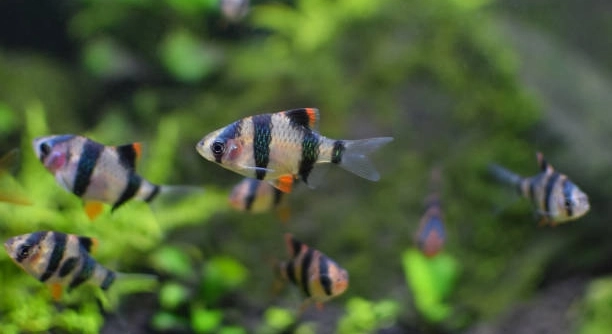
Are your tiger barbs acting strange or restless, leaving you unsure if they’re just active or simply bored in their tank?
Tiger barbs show boredom through fin nipping, glass surfing, chasing tankmates, rearranging substrate, hiding for long periods, or becoming overly aggressive. These behaviors reflect mental and physical under-stimulation, often caused by a lack of environmental enrichment.
Recognizing these behaviors is the first step toward creating a better tank environment and improving your tiger barbs’ overall well-being.
Fin Nipping Other Fish
Tiger barbs often nip fins when they’re bored and have nothing to do. This behavior can stress or injure other fish in the tank, especially species with long, flowing fins. If you notice constant chasing or biting, it’s likely a sign your tiger barbs need more stimulation. These fish are active by nature and need both physical activity and visual interest. Adding more decor, live plants, or even floating toys can help reduce the boredom that leads to aggression. Keeping them in groups of at least six also helps redirect energy toward schooling behavior instead of bullying.
Fin nipping happens most when the fish feel understimulated and lack proper outlets for energy.
Tank layout matters. A mix of open swimming space and visual blocks like plants or driftwood can distract and calm tiger barbs. Introducing new tank mates should be done carefully. Choose fast, short-finned fish to reduce conflict. Feed a varied diet to keep their attention, including flakes, freeze-dried worms, and the occasional live snack. Watching them chase floating food mimics their natural foraging and keeps them busy. Most importantly, avoid overcrowding and ensure they have enough room to explore. When they’re busy swimming and investigating, they’re far less likely to nip others out of boredom.
Glass Surfing
Glass surfing is when a fish repeatedly swims up and down along the tank walls. It signals stress, boredom, or both.
Tiger barbs often do this when their environment lacks stimulation or feels too small. A bare tank with limited decoration or space leaves them restless. Add rocks, caves, and plants to create zones where they can explore and hide. Rearranging tank elements occasionally helps keep things interesting for them. Also, ensure the tank isn’t placed in a spot with constant noise or traffic, which could stress the fish further. Try introducing changes slowly and see how they respond. A larger tank can also help reduce pacing behavior. Tiger barbs are quick swimmers and need space to move. Keep their tank lively by adjusting lighting or adding a gentle current. In some cases, glass surfing may reflect hunger or water quality problems, so always check the basics—food, ammonia levels, and temperature. Boredom often fades with the right tank setup.
Rearranging Substrate
Tiger barbs may move gravel or sand around when they’re bored. This habit gives them something to do but may also signal that they need more stimulation or space. It’s a form of mild entertainment when their environment lacks variety.
When tiger barbs start digging or rearranging the tank floor, it’s often because they’re looking for food or exploring out of boredom. This behavior usually isn’t harmful, but it can be a sign that they want more interaction with their surroundings. Try adding different substrate textures, small pebbles, or scattered sinking food to give them more to investigate. A varied tank floor can keep them mentally engaged. Rearranging the layout once in a while also gives them a fresh experience. Make sure your filter intake isn’t exposed if they’re shifting substrate frequently. Their digging can expose equipment or even uproot plants, so anchoring décor properly can prevent minor issues.
To redirect this energy, offer daily feeding routines that require light foraging. Place small bits of food in different tank zones to mimic natural hunting. This adds purpose to their activity and helps satisfy their instinct to search. You can also place leaf litter or smooth rocks to give them extra things to inspect. These little details can make their tank feel more dynamic and reduce repetitive behaviors that often stem from boredom. Stimulated tiger barbs will explore with more intention and interact more naturally with their tank mates.
Hiding for Long Periods
Long hiding spells often point to mental under-stimulation or discomfort. When tiger barbs feel bored, they may withdraw and become inactive, especially if the tank lacks variety or enrichment. It’s not always a fear response—it’s often a lack of interest.
To improve this, offer more places to explore, not just hide. Add driftwood, caves, or clumps of live plants that they can weave through without feeling completely isolated. These features invite movement and curiosity. Lighting also plays a role—adjusting brightness levels or using floating plants to soften light may help them feel more secure and willing to explore. Inactivity due to boredom can also be a sign that your tiger barbs are not mentally stimulated. Rotate décor pieces every couple of weeks to give them something new. Be mindful of tank mates; if more aggressive species are present, your tiger barbs might hide out of stress, not boredom. A peaceful tank supports balanced, active behavior.
Chasing Tankmates
Chasing is common when tiger barbs feel under-stimulated or lack space. They may chase slower fish just to burn energy or create excitement. This can stress other fish, especially if they’re not used to fast swimmers.
To reduce this, provide more swimming space and add schooling mates. Keeping tiger barbs in groups of six or more spreads out their attention and reduces bullying. A well-decorated tank with visual breaks also helps. Fish with similar activity levels usually make better companions for them.
Repeating the Same Swimming Pattern
When tiger barbs swim the same route over and over, it often means they’re bored or under-challenged. This repetitive behavior is their way of staying active without much purpose. Change the tank layout every couple of weeks, or add floating plants or bubble walls to break the routine. Interactive feeding methods like using sinking food or spreading small portions in different areas can also help. Small, frequent changes make the tank feel new again and push them to explore. With more interesting elements in their space, tiger barbs tend to engage in more natural and varied swimming behaviors.
Ignoring Food Briefly
Short periods of ignoring food may happen when tiger barbs are mentally unstimulated. If their environment doesn’t change, they may lose interest, even during feeding time. Mixing up their diet and presentation usually brings back their appetite.
FAQ
How can I tell if my tiger barbs are bored or just energetic?
Tiger barbs are naturally active, but certain behaviors point to boredom rather than simple energy. Repeated pacing along the glass, chasing tankmates, or hiding for long periods are more than just high energy—they suggest mental under-stimulation. If they’re digging constantly, ignoring food briefly, or rearranging gravel with no clear purpose, those are also signs. In contrast, healthy activity includes shoaling, exploring, and interacting with their environment. Bored tiger barbs tend to focus on one behavior repeatedly and may become more aggressive or withdrawn. Watching for these changes helps you tell the difference.
What can I do to prevent boredom in tiger barbs?
Offer a mix of visual interest and physical space. Add tall plants, caves, rocks, or driftwood to give them places to explore or swim through. Rotate these items every couple of weeks to keep the environment from becoming predictable. Feed them a variety of foods—flakes, frozen, freeze-dried, and live—to keep feeding time engaging. Floating toys or bubble walls also encourage movement and interaction. A slightly stronger current from a filter output can simulate their natural environment and increase activity. Keep them in groups of six or more to promote schooling and reduce aggressive behavior from boredom.
How often should I change their tank layout?
Changing the layout every 2–4 weeks is enough to keep things fresh without causing stress. You don’t need to do a full redesign—just shifting plants, rocks, or decorations slightly can give your tiger barbs something new to explore. If you rearrange during a partial water change, they’ll already be used to some disturbance. Be careful not to remove all hiding spots or create dead zones with poor water flow. Aim to balance open swimming space with plenty of places to rest or hide. This rhythm keeps their environment mentally stimulating.
Can tank size affect boredom?
Yes, tank size plays a big role. Tiger barbs are active swimmers and need horizontal space to move. A cramped tank limits their ability to form natural schooling patterns and explore freely. Small tanks can lead to stress, aggression, and repetitive behaviors like glass surfing. A minimum tank size of 20 gallons for a small group is recommended, but 30 gallons or more is ideal. Bigger tanks also allow for more variety in décor, which reduces boredom. The extra space supports better water quality and more stable conditions, both of which help keep your fish healthy and mentally engaged.
Do tiger barbs like toys or moving objects in the tank?
They respond well to gentle movement and objects they can interact with. Bubble walls, floating rings, or moss balls are great options. These items provide both visual and physical stimulation without overwhelming the fish. Floating toys can change position, giving them something new to investigate throughout the day. Avoid noisy or overly bright items that could cause stress. Watch how your fish react—if they swim toward and around the object out of curiosity, it’s a good sign. Rotate or replace toys occasionally to maintain interest.
Why do tiger barbs chase each other even when not bored?
Chasing is part of their natural behavior, especially when kept in smaller groups. Inadequate numbers can lead to pecking and bullying. When they’re in proper groups of six or more, chasing becomes more playful and less stressful. They may still chase occasionally as part of dominance or breeding displays, which is normal. But if one fish is always targeted or starts hiding, the chasing may be excessive and related to boredom or stress. Ensuring enough space, décor, and compatible tankmates helps keep this behavior balanced and non-aggressive.
Is feeding variety really that important for mental stimulation?
Yes, changing their diet helps with both nutrition and engagement. Tiger barbs enjoy flakes, but adding frozen or live foods gives them something to chase and hunt. Try feeding daphnia, brine shrimp, or even small insects once or twice a week. Even switching the location of food—floating versus sinking—adds interest. Feeding small amounts multiple times a day instead of one large feeding can also mimic their natural foraging. These changes help reduce food boredom and support healthier, more active fish overall.
Final Thoughts
Tiger barbs are active, curious fish that need both mental and physical stimulation to stay healthy. When they get bored, their behavior changes in clear ways. You might notice them nipping fins, pacing the glass, hiding too much, or rearranging the substrate. These actions are often their way of staying busy when the tank lacks variety. Boredom can also cause stress, leading to poor health or aggression. Paying attention to how they behave daily makes it easier to spot these signs early and adjust the environment before bigger problems start.
A well-balanced tank setup goes a long way in keeping tiger barbs engaged. This means more than just clean water—it includes having space to swim, plants to weave through, and decorations that make the tank feel interesting. Feeding plays a role too. Offering different types of food, like frozen treats or live snacks, gives them something exciting to look forward to. Even how the food is placed can make a difference. Dropping it in different parts of the tank or using floating pieces adds a challenge they enjoy. Small changes like these can turn their day from repetitive to stimulating.
Watching your tiger barbs become more active, curious, and peaceful is a clear sign that the tank setup is working well. When they’re engaged, you’ll see more natural swimming, less bullying, and an overall calmer group. Keeping things fresh doesn’t have to be complicated—simple layout changes, group sizes, and food variety can all help. It’s also rewarding to see your fish respond positively to these efforts. When you take time to notice their needs and adjust accordingly, they thrive. A lively tank is not only better for them—it’s also more enjoyable to watch.

Hello,
If you enjoy the content that we create, please consider saying a "Thank You!" by leaving a tip.
Every little bit helps us continue crafting quality advice that supports the health, happiness, and well-being of pets around the world, for pets of all shapes, sizes, and species.
We really appreciate the kindness and support that you show us!