
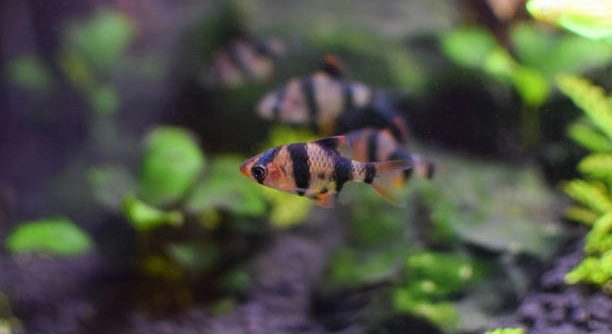
Barbs are popular freshwater fish known for their lively behavior and bright colors. Many owners notice that barbs prefer eating food floating near the water’s surface. This feeding habit can be surprising to new fish keepers.
Barbs often eat from the top because their natural behavior and body shape make surface feeding easier and safer. They are adapted to snatch food floating on or near the water surface, where they can spot prey quickly and avoid bottom predators.
Understanding why barbs eat from the top can help you provide better care and improve their feeding routine. This article explains the reasons behind their eating habits and what it means for your aquarium setup.
Barbs’ Natural Feeding Behavior
Barbs come from rivers and streams where food mostly floats or drifts near the surface. Their bodies are built for quick movements near the top, allowing them to catch insects and small particles easily. This habit helps them avoid stronger bottom feeders or hidden predators in their natural environment. In aquariums, this behavior continues, which is why you often see them eagerly snapping food from the surface. Because barbs are active swimmers, they prefer to feed where they can move quickly and remain alert. Their eyesight is well adapted to spotting food against the light from above. This means they are less likely to forage on the bottom where food might be harder to find or where hiding predators might be. Feeding from the top also helps maintain a clean tank since food left sinking can rot and cause water problems. Understanding these natural instincts makes feeding your barbs easier and healthier.
Barbs’ surface feeding is a natural survival skill from their wild habitat, helping them stay safe and well-nourished.
Knowing this helps you choose the right type of food and feeding method to keep your barbs healthy and happy.
Feeding Tips for Barbs
Barbs prefer floating pellets or flakes because these mimic their natural diet. Sinking foods might be ignored or cause water issues if uneaten. Feeding small amounts several times a day works best, as barbs are active and benefit from regular energy boosts. Overfeeding can harm water quality and fish health, so careful portion control is important. Barbs also enjoy occasional treats like live or frozen insects, which encourage natural hunting behaviors. Providing a varied diet ensures they get all necessary nutrients and stay vibrant. Watching how they feed can guide adjustments to their diet and feeding schedule. Clean, fresh water and good filtration are essential since leftover food can cause pollution. Observing your barbs during feeding helps spot any problems early, such as lack of appetite or aggression during meals. Feeding barbs at the surface helps maintain their well-being and mimics their natural habits closely.
Common Misunderstandings About Barb Feeding
Many people think barbs only eat from the top because they are picky or lazy. This is not true. Barbs naturally prefer surface feeding because it is safer and easier for them.
Barbs’ preference for surface feeding is linked to their environment and body structure. Their mouths are angled to make grabbing food on the surface easier. They rely on sight to find food quickly near the top, where insects and other small prey are common. Bottom feeding can expose them to danger or difficult conditions, so they avoid it when possible. This natural habit can be mistaken for picky eating, but it is actually a survival strategy that keeps them healthy in the wild and in your tank.
Barbs might also avoid sinking food because it falls too quickly or hides under decorations. Uneaten sinking food can pollute the tank, so feeding barbs from the top helps keep their environment cleaner and reduces waste. Understanding this behavior can help adjust feeding routines for healthier fish and a better tank ecosystem.
Adjusting Your Feeding Routine
Feeding barbs multiple small meals at the surface encourages natural behavior and reduces waste. This also helps maintain stable water conditions and promotes active, healthy fish. Using floating foods keeps barbs engaged and comfortable during feeding times.
Changing your feeding schedule to smaller, frequent feedings matches barbs’ natural habits better than one large meal. Barbs are active swimmers and benefit from regular energy boosts. Floating pellets or flakes are ideal since barbs catch them easily at the surface. You can also sprinkle occasional treats like frozen or live insects, which stimulates natural hunting instincts. Avoid overfeeding to prevent leftover food from polluting the water. Adjust feeding amounts based on how quickly your barbs finish their food, and remove any uneaten particles promptly. This routine supports your barbs’ health and keeps your aquarium clean.
Why Barbs Avoid Bottom Feeding
Barbs avoid bottom feeding mainly because their bodies and mouths are not designed for it. The shape of their mouths makes it difficult to pick up food from the tank floor.
Additionally, the bottom of the tank can be risky. Barbs may feel vulnerable to predators or other fish there, so they prefer to stay near the surface where they feel safer.
Choosing the Right Food for Barbs
Floating pellets and flakes work best for barbs because they stay near the surface longer, allowing the fish to eat comfortably. These foods mimic the natural diet barbs find in the wild, such as insects and small floating particles. Using sinking food can lead to waste and water quality problems since barbs often ignore it.
Watching Barbs During Feeding
Observing barbs while they eat helps spot health or behavioral issues early. Changes in feeding habits can indicate stress or illness.
FAQ
Why do barbs only eat from the top?
Barbs naturally prefer to feed near the water surface because their mouths are angled for easy surface feeding. In the wild, they catch insects and floating particles, so their behavior in tanks reflects this instinct. Feeding from the top also helps them avoid danger from predators near the tank’s bottom.
Can barbs eat food from the bottom?
While barbs can eat sinking food, they usually avoid it because it’s harder for them to pick up. Sinking food can also get lost under decorations, causing waste and water quality problems. It’s best to offer floating food to match their natural habits and keep the tank cleaner.
What types of food are best for barbs?
Floating pellets and flakes are ideal for barbs. These stay on the surface longer, allowing barbs to feed comfortably. You can also give frozen or live insects occasionally to provide variety and encourage natural hunting behavior. Avoid overfeeding to prevent water pollution.
How often should I feed my barbs?
Feeding barbs small amounts multiple times a day is best. Barbs are active fish and benefit from regular energy boosts. Overfeeding can harm their health and tank water, so it’s important to feed only what they can eat within a few minutes.
What if my barbs stop eating?
If barbs stop eating, check water quality and temperature first, as poor conditions can cause stress or illness. Make sure the food is fresh and suitable for surface feeding. Changes in behavior may also indicate disease, so observe them closely and consider consulting a vet or expert if needed.
Can barbs eat flakes meant for other fish?
Barbs can eat flakes designed for other surface-feeding fish, as long as the food size matches their mouths and it floats. However, their diet should be balanced with foods made for omnivores to ensure they get enough nutrients.
Is it okay to mix sinking and floating foods for barbs?
While floating food is preferred, offering some sinking food occasionally can add variety. Just watch closely to remove any uneaten sinking food quickly to avoid polluting the tank.
Do barbs eat plants or algae?
Barbs are mainly omnivores and might nibble on soft plants or algae, but this is not their main food source. Including plant matter in their diet can be healthy, but they mostly rely on protein-rich food.
How does feeding barbs at the surface affect tank cleanliness?
Feeding at the surface helps keep uneaten food visible and easy to remove. This reduces the risk of food sinking, rotting, and causing water quality problems. It also helps maintain a healthier environment for your fish.
Can barbs share food with other fish?
Barbs can share the tank with other fish, but feeding might become competitive. Some bottom feeders will eat sinking food that barbs ignore. Make sure all fish get the right type of food and enough to eat without stressing each other.
What signs show that my barbs are well-fed?
Healthy barbs are active, bright in color, and show interest during feeding times. They quickly swim to the surface when food is offered and eat eagerly. If they stay active and don’t show signs of wasting food, their diet is likely balanced.
Can feeding habits change as barbs grow?
Barbs may eat differently as they grow, but their preference for surface feeding usually stays. Younger barbs might eat smaller food particles, while adults handle larger pellets. Adjust food size and type to fit their growth stage.
Is it necessary to change food types regularly?
Offering a variety of foods is beneficial for barbs. Changing food types provides different nutrients and prevents boredom. Include pellets, flakes, and occasional live or frozen treats to support overall health.
What happens if I feed too much sinking food?
Too much sinking food often goes uneaten and settles on the tank floor, where it decomposes and pollutes the water. This can cause harmful spikes in ammonia and nitrite levels, stressing or even killing fish.
How do I introduce new food to barbs?
Introduce new food slowly by mixing it with their regular food. This helps barbs adjust and accept the new option without stress. Monitor their reaction to ensure they eat well and avoid leftovers.
Can barbs be trained to eat different types of food?
Barbs can learn to accept different foods with patience and gradual introduction. Offering treats by hand or using feeding rings may encourage them to try new foods, but their natural preference for surface feeding remains strong.
How important is water quality for barb feeding habits?
Good water quality is essential for healthy feeding habits. Poor conditions can reduce appetite and cause stress or illness. Regular water changes, proper filtration, and careful feeding practices keep barbs eating well and thriving.
Do barbs prefer live food over prepared food?
Many barbs enjoy live food because it mimics their natural prey and encourages active hunting. However, they can thrive on high-quality prepared foods if their diet is balanced and varied.
What are signs of overfeeding in barbs?
Overfed barbs may become sluggish, gain excess weight, and produce more waste, leading to poor water quality. Uneaten food and cloudy water are also signs that feeding amounts should be reduced.
Barbs are lively fish with unique feeding habits that reflect their natural environment. They prefer to eat from the top of the tank because their bodies and mouths are shaped to catch food floating near the surface. This behavior helps them stay safe and find food easily, just like they would in the wild. Understanding this natural feeding style is important for anyone who keeps barbs in an aquarium. It helps create a feeding routine that fits their needs and keeps them healthy.
Feeding barbs the right kind of food, such as floating pellets or flakes, is important because it matches their natural way of eating. Offering food that sinks to the bottom may not be eaten and can cause problems with water quality if it stays there too long. Feeding small amounts several times a day keeps barbs active and prevents overfeeding. It also helps avoid leftover food that can pollute the tank. Watching your barbs during feeding times can tell you a lot about their health and behavior, so paying attention to how and what they eat is helpful.
Taking care of barbs means paying attention to their feeding habits and tank environment. Good water quality, a balanced diet, and the right feeding schedule all contribute to their well-being. When barbs are fed properly and live in a clean tank, they show better color, activity, and overall health. Knowing why barbs eat from the top and how to support this behavior helps create a happier, healthier aquarium. This knowledge makes caring for barbs easier and more enjoyable for anyone who keeps these energetic fish.

Hello,
If you enjoy the content that we create, please consider saying a "Thank You!" by leaving a tip.
Every little bit helps us continue crafting quality advice that supports the health, happiness, and well-being of pets around the world, for pets of all shapes, sizes, and species.
We really appreciate the kindness and support that you show us!