
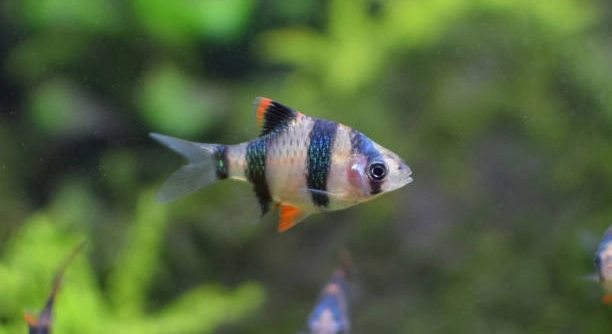
Setting up a quiet barb tank can create a peaceful and healthy environment for your fish. It helps reduce stress and encourages natural behavior. A well-planned tank setup makes caring for barbs easier and more enjoyable.
Creating a quiet barb tank involves selecting proper plants, hiding spots, and tank mates to minimize stress and aggression. Adequate filtration, gentle water flow, and balanced lighting contribute to a calm and stable habitat for barbs.
These setup ideas will guide you in making your barb tank a calm and inviting space for your fish to thrive.
Choosing the Right Plants for a Quiet Barb Tank
Adding live plants to your barb tank not only beautifies the space but also creates hiding spots that help reduce fish stress. Plants like Java fern, Anubias, and Amazon sword are hardy and require minimal care. They grow well in various water conditions and provide shelter where barbs can retreat when feeling threatened. These plants also improve water quality by absorbing excess nutrients, helping to keep the tank stable. Avoid plants with delicate leaves, as barbs may nibble on them. Including a mix of tall and short plants creates layers, making the tank feel more natural. This environment encourages calm behavior and lessens territorial disputes among the fish. Plants also help diffuse light and soften water currents, adding to the peaceful atmosphere of the tank.
Healthy plant growth supports the overall wellbeing of your barbs by maintaining good water conditions.
Maintaining the right balance of plants and open swimming space allows your barbs to feel safe without overcrowding their habitat. This balance is key for keeping stress low and activity natural.
Managing Tank Mates and Behavior
Choosing peaceful tank mates helps keep the barb tank quiet and calm.
Barbs are active fish and sometimes show aggression toward slow or shy species. Selecting tank mates like other fast swimmers or similarly sized fish helps reduce conflict. Avoid slow-moving fish that might get stressed or bullied. Keeping barbs in a small group of at least five minimizes their aggression, as they feel safer in numbers. Monitor fish behavior regularly to spot signs of stress or fighting. If aggression arises, adjusting tank layout or removing overly aggressive individuals may be necessary. A peaceful community tank promotes a quieter, less stressful environment for all inhabitants.
Filtration and Water Flow
Good filtration keeps the tank water clean and clear, which reduces stress for barbs. A filter that provides gentle water flow is ideal, as strong currents can tire the fish and make them restless.
Choosing a filter with adjustable flow settings helps create the right environment. Barbs prefer moderate currents, so it’s important to avoid filters that push too much water at once. Sponge filters or canister filters with flow control are great options. They efficiently remove waste while maintaining calm water movement. Regular filter maintenance prevents buildup and keeps water quality high. Clean water encourages healthy fish behavior and less aggression.
Positioning the filter outlet to reduce direct flow into swimming areas also helps. This setup keeps the tank peaceful, allowing barbs to swim comfortably without battling strong currents.
Lighting and Tank Decor
Soft, natural lighting reduces stress and helps mimic a barb’s natural environment. Bright lights can cause barbs to hide or become skittish, so it’s best to use dimmable LED lights or place the tank away from direct sunlight. Lighting should follow a consistent day-night cycle, usually about 8 to 10 hours of light daily, to support fish health and plant growth. Too much light can encourage algae growth, which makes maintenance harder.
Decorations such as smooth rocks, driftwood, and caves provide resting spots and hiding places for barbs. These help fish feel secure and reduce aggressive behavior. Avoid sharp or rough decorations that can injure fish. Creating varied hiding spaces allows barbs to escape tension and lowers their stress. Grouping decorations naturally also breaks sightlines, which minimizes territorial disputes. Balancing open swimming areas with plenty of cover creates a quiet, comfortable tank environment for your barbs.
Maintaining Stable Water Temperature
Barbs thrive in stable water temperatures between 74°F and 79°F. Sudden changes can stress them, leading to illness and aggressive behavior.
Using a reliable heater and thermometer helps keep the temperature consistent. Avoid placing the tank near windows or vents that cause fluctuations.
Regular Water Changes
Consistent water changes remove toxins and keep the environment healthy for barbs. Changing 20-30% of the water weekly prevents buildup of harmful substances.
Keeping water clean reduces stress and supports fish health. This simple routine is essential for maintaining a quiet, balanced tank where barbs can flourish.
Feeding Routine and Diet
Feeding barbs a balanced diet twice daily in small amounts prevents overfeeding and water pollution. Use high-quality flakes, pellets, and occasional live or frozen foods to meet their nutritional needs.
Overfeeding causes water quality issues that stress fish. A regular feeding schedule keeps barbs healthy and calm.
Avoiding Overcrowding
Overcrowding leads to stress, aggression, and poor water quality. Stick to recommended stocking levels based on tank size and fish species.
A properly stocked tank gives barbs space to swim freely, reducing conflicts and creating a peaceful environment.
FAQ
How many barbs should I keep in one tank?
Barbs are schooling fish and feel safer in groups. It’s best to keep at least five barbs together. This helps reduce aggression as they focus on each other rather than on other tank mates. Overcrowding, however, should be avoided, so adjust the number of fish according to your tank size. A good rule is one inch of fish per gallon of water, but barbs can be a bit more active, so giving them extra space is ideal.
What kind of plants are best for barbs?
Hardy plants like Java fern, Anubias, and Amazon sword work well in a barb tank. These plants tolerate different water conditions and don’t require too much light or care. They also provide good hiding spots, which help barbs feel safe. Avoid delicate plants, as barbs may nibble on their leaves. Mixing tall and short plants creates a natural environment and helps reduce stress.
How often should I clean the tank?
Regular maintenance is important. Perform a partial water change of about 20-30% every week to keep the water clean and healthy. Clean the filter monthly to ensure proper functioning. Avoid cleaning everything at once, as this can remove beneficial bacteria needed for water balance. Keeping up with regular cleaning keeps the tank peaceful and fish healthy.
What temperature should I keep my barb tank?
Barbs prefer a stable temperature between 74°F and 79°F (23°C to 26°C). Use a reliable aquarium heater and thermometer to maintain this range. Sudden temperature changes can cause stress and illness. Avoid placing the tank near windows or vents that may cause fluctuations. A steady temperature helps barbs stay calm and healthy.
Can barbs live with other fish?
Yes, but choose tank mates carefully. Barbs can be semi-aggressive and may bother slow or shy fish. Good companions are other fast, similarly sized species. Avoid small, slow, or long-finned fish that barbs might nip at. Keeping barbs in groups of five or more reduces aggression and helps them coexist peacefully with other fish.
What should I feed my barbs?
A varied diet is best. Feed high-quality flakes or pellets made for tropical fish as the main food. Supplement with live or frozen foods like bloodworms or brine shrimp for added nutrition. Feed small amounts twice daily to avoid overfeeding, which can pollute the tank and stress the fish. Balanced nutrition supports their health and reduces aggressive behavior.
How can I reduce aggression in my barb tank?
Keeping barbs in groups of five or more helps spread out aggressive behavior. Providing plenty of plants, decorations, and hiding spots lets fish escape and reduces fighting. Avoid overcrowding and maintain good water quality. If aggression continues, consider rearranging the tank layout or removing the most aggressive individuals.
Is strong water flow bad for barbs?
Barbs prefer moderate water flow. Strong currents can tire them and cause stress, leading to restless behavior. Choose a filter with adjustable flow and position it to reduce direct water pressure. Sponge filters or canister filters with flow control work well. Gentle water movement keeps the tank peaceful and the fish comfortable.
How much light do barbs need?
Barbs do well with soft, natural lighting. Bright lights can cause them to hide or become nervous. Use dimmable LED lights or keep the tank away from direct sunlight. A consistent day-night cycle of 8 to 10 hours of light supports fish health and plant growth. Too much light can lead to algae problems, which makes maintenance harder.
What signs show my barbs are stressed?
Stressed barbs may hide more than usual, show dull colors, or become aggressive. They might also lose appetite or swim erratically. Poor water quality, overcrowding, or sudden changes in the tank can cause stress. Regular observation helps catch problems early so you can adjust tank conditions and improve fish health.
Setting up a quiet barb tank takes some planning and care. The right balance of plants, tank mates, and equipment creates a peaceful space where barbs can live happily. Barbs are active fish that need room to swim, but they also need places to hide and feel safe. Adding hardy plants and smooth decorations helps reduce their stress and keeps their behavior calm. Choosing compatible fish to live with barbs also matters because it lowers aggression in the tank. A calm environment means healthier fish and a better experience for anyone caring for the tank.
Maintaining good water quality is another key part of a quiet barb tank. Using a filter with gentle flow keeps the water clean without stressing the fish. Regular water changes remove waste and harmful substances, which helps the tank stay balanced. Keeping the temperature steady also makes a big difference because sudden changes can cause illness or nervousness in barbs. Feeding your barbs the right amount of food and a varied diet supports their health and reduces problems like overfeeding, which can make the tank dirty and fish unhappy.
Overall, a quiet barb tank needs consistent care and attention. It is not just about setting it up once but keeping it balanced over time. Watching the fish closely helps catch any signs of stress or illness early, so you can act quickly. A peaceful barb tank is possible when the environment meets their natural needs. Taking simple steps like choosing good plants, tank mates, and equipment, along with regular maintenance, will help barbs thrive. This makes the tank a calm and enjoyable place for both the fish and the person who cares for them.

Hello,
If you enjoy the content that we create, please consider saying a "Thank You!" by leaving a tip.
Every little bit helps us continue crafting quality advice that supports the health, happiness, and well-being of pets around the world, for pets of all shapes, sizes, and species.
We really appreciate the kindness and support that you show us!