
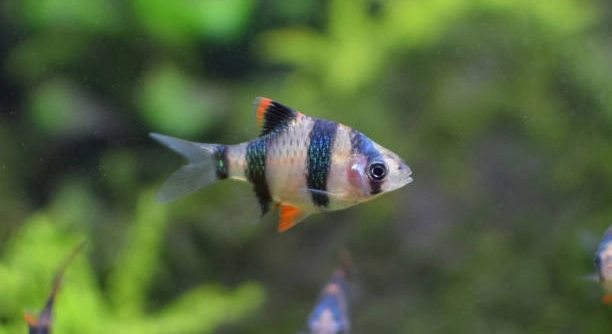
Barbs are lively fish that often show excitement during feeding times. Many aquarium owners notice that these fish sometimes nip or bite when food is involved. Understanding this behavior helps create a better environment for both fish and hobbyists.
Barbs may bite during feeding because of competition for food, territorial instincts, or stress caused by overcrowding. This aggressive behavior is common among barbs as they try to secure enough nutrition quickly. Managing tank conditions can reduce biting incidents.
Recognizing the reasons behind their biting can improve how you care for barbs. Learning simple strategies can help keep feeding times calm and enjoyable for everyone involved.
Why Barbs Show Aggression at Feeding Time
Barbs are naturally active and fast swimmers. During feeding, their excitement rises, and competition for food becomes intense. This excitement can make them nip at other fish or even their owners’ fingers if they get too close. It’s not about being mean; it’s about making sure they get enough food. When many barbs are in one tank, space becomes limited, increasing stress and competition. They might bite more to push others away. Feeding large amounts at once or spreading food unevenly can also make barbs rush and become aggressive. Providing plenty of hiding spots and plants helps reduce tension, as fish can escape and relax. Watching their behavior carefully during feeding can help you notice signs of stress or aggression early. Adjusting feeding habits and tank setup often leads to a calmer environment for your barbs.
Aggression often happens because barbs are protecting their food source and space during feeding.
Keeping the feeding area peaceful means giving your barbs enough room and spreading out their food. Try feeding smaller amounts several times a day to lower competition and reduce biting. A crowded tank will almost always lead to more aggression, so maintaining good fish density is key. Barbs feel safer and less stressed when they have plants or decorations to hide behind, which can help reduce biting during feeding. Using a feeding ring or placing food in different spots also spreads out the fish and lowers tension. Over time, barbs learn feeding patterns and become less aggressive if they feel secure and well-fed. Watching closely and making small changes in feeding routines can make a big difference in how your barbs behave at feeding time.
How to Manage Feeding Time to Reduce Biting
Barbs need careful feeding routines to stay calm and healthy.
To reduce biting, feed barbs multiple times a day in small amounts instead of one big feeding. This keeps them from rushing and fighting over food. Spread the food around the tank so more fish can eat without crowding. Make sure the tank is not overcrowded, as too many fish increase stress and competition. Adding plants or decorations gives barbs places to hide, which lowers aggression. Watching your fish during feeding helps you spot any biting early and adjust the routine. Small changes in feeding habits and tank setup create a peaceful environment, making feeding time better for barbs and their tank mates.
Recognizing Signs of Stress in Barbs
Barbs may show stress through constant chasing or biting at tank mates. They might hide more than usual or seem restless. Changes in color or appetite can also be signs of stress.
Stress in barbs often results from overcrowding or poor water conditions. When the tank is too crowded, barbs compete aggressively for space and food, leading to constant chasing and biting. Water that is dirty or has wrong parameters makes barbs uncomfortable, increasing their stress levels. These factors combine to cause erratic behavior and visible signs of distress. Keeping the tank clean and not overstocked helps reduce these problems and lowers biting incidents.
Stress affects barbs’ immune systems, making them more vulnerable to disease. Aggression can increase as a response to feeling unsafe, which can worsen feeding time struggles. Providing a stable environment with good water quality and enough space helps barbs stay calm and less likely to bite during feeding.
The Role of Tank Setup in Feeding Behavior
A well-planned tank setup reduces stress and biting. Plenty of hiding spots and plants give barbs space to escape.
Plants and decorations break up open areas, lowering aggression by providing territory boundaries. This setup allows shy or smaller fish to avoid stronger barbs during feeding. Uneven surfaces and plants also slow down fast feeders, spreading out competition. Using a larger tank gives barbs room to swim freely and lowers stress. Positioning feeding spots in different areas encourages barbs to spread out, reducing crowding and bites. Regular tank maintenance keeps water clean, further improving barbs’ comfort. A calm environment created by thoughtful tank setup results in more peaceful feeding times for barbs and other fish.
Feeding Techniques That Help Reduce Biting
Feeding barbs slowly helps prevent rushing and biting. Using sinking pellets instead of flakes spreads food evenly.
Offering small amounts at intervals encourages calmer eating. Spreading food across the tank reduces crowding and competition among barbs.
Importance of a Balanced Diet for Barbs
A balanced diet keeps barbs healthy and less aggressive. Feeding a mix of flakes, pellets, and occasional live or frozen food provides necessary nutrients. Healthy barbs have more energy and are less likely to fight. Avoid overfeeding, which can cause stress and water quality issues, increasing biting behavior. A varied diet also keeps them interested and satisfied, helping reduce feeding-time aggression.
Watching Barbs for Behavior Changes
Regular observation helps catch early signs of biting issues. Noticing changes early means problems can be fixed quickly.
FAQ
Why do barbs bite more during feeding time?
Barbs bite more during feeding because they compete for food and space. Their natural instincts push them to be quick and assertive to get enough nutrition. Overcrowded tanks or limited hiding spots can increase this behavior, making barbs more aggressive when food appears.
Can biting harm other fish in the tank?
Yes, biting can injure other fish, especially smaller or slower species. Repeated nipping can cause stress, wounds, and even infections. It’s important to manage aggression to protect all tank inhabitants and maintain a peaceful environment.
How can I reduce biting without changing my barbs’ diet?
You can reduce biting by feeding smaller amounts more often, spreading food across the tank, and providing plenty of plants or decorations. These help reduce competition and give fish space to avoid each other during feeding.
Is it normal for barbs to nip at fingers during feeding?
Barbs may nip at fingers because they confuse them for food. This is common, especially when feeding by hand. It’s harmless but can be startling. Using feeding tools or dropping food directly into the tank can help prevent this behavior.
Will barbs calm down if I keep feeding them regularly?
Regular feeding helps barbs feel secure and less stressed, which reduces aggression. However, too much food or overcrowding can still cause biting. Consistency in feeding schedules and tank care are both important for calmer fish.
Do all types of barbs bite during feeding?
Not all barbs bite equally. Some species, like tiger barbs, are more aggressive feeders, while others may be calmer. Individual personality and tank conditions also affect behavior, so results can vary.
Can stress cause barbs to bite more?
Yes, stress increases aggression in barbs. Crowded tanks, poor water quality, or sudden changes can stress fish. Stress makes barbs more likely to bite during feeding as they compete for survival.
What should I do if biting causes injuries in my tank?
If biting leads to injuries, separate injured fish if possible and treat wounds. Improve tank conditions by reducing overcrowding, increasing hiding spaces, and adjusting feeding habits. Keeping the water clean also helps healing and lowers stress.
Is it better to feed barbs live or processed food?
Both have benefits. Live food encourages natural hunting and is nutritious, but processed food is easier to control and less likely to cause aggression if given properly. A mix of both helps keep barbs healthy and less aggressive.
How does tank size affect barb biting behavior?
Smaller tanks increase stress and competition, leading to more biting. Larger tanks give barbs space to spread out and reduce aggression. Ensuring the tank is appropriate for the number of fish is key to controlling biting behavior.
Barbs are active and lively fish that sometimes bite during feeding. This behavior is usually linked to their natural instincts and competition for food and space. When barbs rush to eat, they can nip at each other or even nearby fingers without meaning harm. Understanding why barbs behave this way helps in managing their environment better. By knowing what causes biting, owners can take simple steps to reduce aggression and make feeding time less stressful for the fish.
Creating a calm and balanced environment is important to help barbs feel safe. Overcrowded tanks or poor water conditions increase stress and make biting worse. Giving barbs enough room, plenty of hiding spots, and clean water lowers their stress levels. Feeding smaller amounts multiple times a day and spreading food evenly in the tank also prevents fights. These small changes improve the overall well-being of barbs and their tank mates, leading to a peaceful aquarium where everyone can thrive.
Taking the time to watch your barbs and adjust their care makes a big difference. Each tank and group of fish is different, so paying attention to their behavior helps catch problems early. Managing feeding routines, tank setup, and water quality creates a healthier space for barbs. With patience and care, biting during feeding can become less common. This means a happier experience for both the fish and the person who cares for them.

Hello,
If you enjoy the content that we create, please consider saying a "Thank You!" by leaving a tip.
Every little bit helps us continue crafting quality advice that supports the health, happiness, and well-being of pets around the world, for pets of all shapes, sizes, and species.
We really appreciate the kindness and support that you show us!