
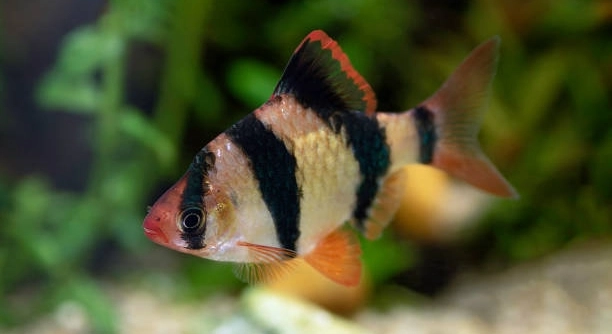
Is your barb fish active, alert, and showing its usual vibrant colors but you’re still unsure if it’s truly thriving?
A healthy barb will display steady movement, a strong appetite, and vibrant coloring. It will interact with tank mates, show no signs of stress, and have clear, undamaged fins. These are natural indicators of good health.
Each sign tells a story about your barb’s environment, well-being, and care routine, helping you stay ahead of potential issues.
Active and Consistent Swimming
When a barb is doing well, it will swim actively and consistently throughout the tank. You’ll notice smooth, confident movements without jerky or erratic behavior. A healthy barb will explore all levels of the tank and swim in loose groups with others. It won’t isolate itself or stay hidden for long periods. If your barb is spending time near the surface or bottom more than usual, or seems to be floating in place, something might be off. Look for steady fin movement and natural navigation through decorations and plants. Active swimming shows that your barb has good energy, enough oxygen, and feels safe in its environment. It’s also a sign that water conditions are supporting its overall health. When paired with other signs, it can help reassure you that things are on track. Just be sure to watch for sudden changes in behavior, as they often point to stress.
This type of movement often means your barb is alert, breathing well, and experiencing minimal stress in the tank.
If your barb is consistently swimming with ease and engaging with others, it’s a strong sign of comfort and contentment. Movement is often the first visual cue that things are balanced in your tank.
Bright, Vibrant Coloring
Vibrant coloring is one of the most reliable signs your barb is healthy.
Healthy barbs will display deep, rich coloring that matches their species type. Faded, pale, or dull colors can indicate illness, stress, or poor water quality. You may notice your barb looks more colorful during feeding times or while swimming in well-lit areas. This is a good sign. Color changes that come on gradually and are accompanied by sluggish behavior should be taken seriously. Sometimes, changes in temperature or a poor diet can dull their natural colors. To support strong coloration, feed your barb a variety of nutrient-rich foods, including flakes, frozen bloodworms, or brine shrimp. Avoid overfeeding, as it can create waste buildup and cloud the water. Good lighting and a proper tank setup also help. If your barb shows bright reds, oranges, or golds, it means the fish is thriving. Keep an eye out for any sudden or patchy discoloration, as that’s usually a sign of stress.
Healthy Appetite
A healthy barb will eat eagerly during feeding times and show interest in a variety of foods. Skipping meals or spitting out food may be a sign that something’s wrong. Pay attention to sudden changes in eating habits.
Barbs that are doing well will actively swim to the surface or middle of the tank during feedings. They usually nibble quickly and return for more until they’re full. This kind of energy shows that their digestive system is functioning properly. A well-balanced diet is key—try alternating high-quality flakes with frozen or live options. If your barb ignores food, it could point to stress, internal parasites, or poor water conditions. Overfeeding should also be avoided, as it can pollute the tank and impact their health. Feed just enough for them to eat within two minutes, and remove any uneaten food. Regular, enthusiastic eating is a great way to know your barb is doing well.
Feeding is also a great time to observe your barb closely. Watch how it behaves around food and other fish. A healthy barb will hold its position, compete gently, and show no signs of struggle or avoidance. Loss of appetite over several feedings is a sign that should not be ignored.
Clear, Undamaged Fins
Fins that are fully extended, clear, and unfrayed show your barb is likely in good health. Torn, clamped, or ragged fins may suggest stress, infection, or injury from tank mates or rough objects.
Healthy barbs display well-spread, clean fins that move fluidly as they swim. These fins shouldn’t look torn, red, or clamped to the body. Damaged fins can sometimes mean aggression in the tank, especially in crowded environments. Fin rot is another common issue that causes edges to fray and decay, often tied to poor water quality. If you notice your barb nipping at its own fins or others doing so, rearranging decorations or adding more space might help reduce tension. Clean, balanced water and gentle tank mates can prevent fin problems before they start. Barbs use their fins for stability and movement, so any change is worth a second look. Healthy fins mean your fish is swimming comfortably and stress levels are low.
Regular Interaction with Tank Mates
Barbs that feel well will often swim near others and move together in small groups. This schooling behavior shows they feel secure and are socially engaged. Isolation, chasing, or hiding too often can mean something is off in the tank.
Gentle interaction with tank mates without constant nipping or stress is a good sign. If your barb seems calm, moves freely among others, and doesn’t get bullied or act aggressive, it’s likely feeling comfortable. Keep a close eye on any sudden behavior shifts.
Clean and Smooth Scales
Healthy barbs have smooth, shiny scales with no spots, raised areas, or signs of irritation. Their skin should appear even, without discoloration, fuzz, or swelling. Raised scales can signal internal issues like infection or swelling. Any white spots may mean parasites such as ich, which spread quickly in a tank. Keeping water clean and parameters steady helps prevent these problems. Barbs that are doing well won’t rub themselves against surfaces, which is often a sign of discomfort or skin issues. Use regular tank checks and good lighting to watch for any subtle changes in their appearance.
Responsive to Surroundings
A healthy barb will quickly respond to movement, light changes, or activity near the tank. A delayed or dull response may point to stress or illness.
How often should I feed my barb to keep it healthy?
Feeding your barb once or twice a day is usually enough to maintain good health. Offer only as much food as they can eat within about two minutes. Overfeeding can pollute the water and cause health issues like obesity or swim bladder problems. A balanced diet with flakes, pellets, and occasional live or frozen foods keeps your barb energized and colorful.
What water conditions are best for barbs to thrive?
Barbs do best in clean, well-filtered water with stable parameters. Keep the temperature between 74°F and 79°F (23°C to 26°C), and the pH between 6.5 and 7.5. Regular water changes, about 20-25% weekly, help maintain water quality. Barbs are sensitive to high ammonia and nitrate levels, so frequent testing is important. Stable water conditions reduce stress and help prevent disease.
Can barbs live with other fish peacefully?
Barbs generally prefer to live in groups of five or more, which helps reduce aggression within the group. They can be territorial but usually coexist well with other peaceful species of similar size. Avoid housing them with very small, slow, or long-finned fish, as barbs may nip at fins. Providing plenty of plants and hiding spots helps keep tank harmony.
How do I know if my barb is stressed?
Signs of stress in barbs include clamped fins, hiding often, loss of appetite, and dull coloration. They may also swim erratically or isolate themselves from the group. Stress can result from poor water quality, overcrowding, sudden changes in the environment, or incompatible tank mates. Addressing these causes quickly improves your barb’s health.
Is it normal for my barb to change color sometimes?
Minor color changes can be normal, especially during feeding or when the fish is active. However, persistent fading or patchy discoloration often signals stress or illness. Changes caused by lighting or water temperature shifts are common. Sudden or extreme changes should be investigated by checking water quality and overall tank conditions.
What should I do if I notice torn or ragged fins on my barb?
Torn fins might come from aggression or poor water conditions. First, test your water parameters and perform a partial water change if needed. Check if any tank mates are fin-nippers and consider separating aggressive fish. Adding plants and hiding spots can reduce stress. If fin rot is suspected, medications may be necessary after consulting with a specialist.
How important is tank size for keeping barbs healthy?
Tank size plays a key role in barb health. A minimum of 20 gallons is recommended for a small school of barbs. More space means better water quality and less stress from overcrowding. A larger tank also allows natural swimming behavior and reduces territorial disputes. Proper filtration is equally important in maintaining a healthy environment.
Can I treat my barb at home if it gets sick?
Mild illnesses can sometimes be treated at home with water changes, improving diet, and quarantine tanks. Over-the-counter fish medications are available for common problems like fin rot or parasites. However, correctly diagnosing the issue is crucial, so consider consulting a vet or experienced hobbyist. Preventing illness through good care is always best.
How do I encourage my barb to show its natural colors?
Providing a balanced diet rich in vitamins and carotenoids helps enhance your barb’s color. Good lighting and clean water also contribute to bright, healthy scales. Stress reduction through proper tank mates and environment will prevent dulling. Avoid sudden changes in water temperature or quality, as these can cause temporary fading.
What signs mean it’s time to get help from an expert?
If your barb shows rapid deterioration, such as extreme lethargy, constant hiding, labored breathing, or visible sores, professional advice is needed. Persistent loss of appetite or unusual swimming behavior can also mean serious problems. Early intervention improves chances for recovery and helps protect other fish in the tank.
When you care for a barb, keeping an eye on natural signs is one of the best ways to understand how well it is doing. These signs, like active swimming, bright colors, and healthy fins, tell you if the fish is happy and healthy in its environment. Barbs are sensitive to changes, so noticing even small differences can help you catch problems early. Consistent observation is important because fish cannot tell us when they feel unwell. By paying attention to these natural signs, you create a better chance to keep your barb thriving for a long time.
Taking care of a barb is about balance. It means maintaining clean water, providing good food, and making sure the tank environment is safe and comfortable. When all these things come together, your barb will naturally show signs of good health. You may notice it swimming in groups, eating eagerly, and showing clear scales and fins. These are good indicators that the care you give is working. If problems arise, such as faded colors or slow movements, it usually points to something that needs attention, like water quality or diet adjustments. Simple changes can often make a big difference in restoring your barb’s health.
Understanding your barb’s behavior and appearance helps you build a stronger connection with it. You learn what is normal and when something needs fixing. This knowledge lets you provide the right care without guesswork. It also helps prevent illness and stress by addressing issues early. Keeping your barb healthy takes time and effort, but the rewards are worth it. Watching a lively, colorful fish swim happily in your tank is satisfying. By following these natural signs, you can enjoy a healthy barb for years to come.

Hello,
If you enjoy the content that we create, please consider saying a "Thank You!" by leaving a tip.
Every little bit helps us continue crafting quality advice that supports the health, happiness, and well-being of pets around the world, for pets of all shapes, sizes, and species.
We really appreciate the kindness and support that you show us!