
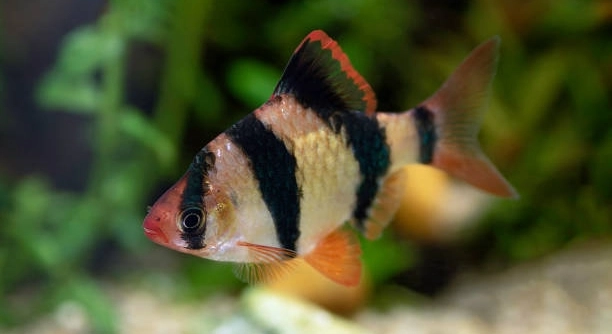
Tiger barbs are lively and colorful fish that many people enjoy keeping in home aquariums. Their behavior can sometimes surprise new fish owners, especially when they interact with their environment. Observing how these fish respond to objects in their tank can be quite interesting.
Tiger barbs do not form attachments to objects in the way some pets do. Their interactions with items like plants or decorations are mainly driven by curiosity or territorial behavior, rather than emotional bonds or attachment.
Learning about how tiger barbs relate to their surroundings can help you create a better habitat and understand their actions more clearly.
Why Tiger Barbs Explore Objects
Tiger barbs are naturally curious fish that often explore anything new in their tank. When an object like a plant, rock, or decoration is added, they swim around it, sometimes nipping at it or inspecting it closely. This behavior is part of their instinct to understand their environment and check for potential threats or food sources. It is common to see tiger barbs darting around objects, but this does not mean they form attachments. Instead, they use objects as landmarks or hiding spots to feel safe and secure. In groups, they may also compete for space near these objects, establishing small territories. Their interaction helps them stay active and stimulated, which is important for their health and happiness. Knowing this can help aquarium owners choose tank decorations that encourage natural behavior without stressing the fish.
Tiger barbs’ interest in objects is mostly about curiosity and territory, not emotional bonds.
Understanding these behaviors will help you set up an engaging environment that supports their natural instincts and keeps them active.
How to Create a Comfortable Environment for Tiger Barbs
Providing an environment with plenty of objects for tiger barbs to explore encourages natural behaviors. Use smooth rocks, plants, and hiding spots that won’t harm their delicate fins. A well-decorated tank reduces stress and keeps them from boredom.
Tiger barbs thrive in a tank where they have enough space and objects to swim around. They are active swimmers and appreciate areas where they can hide or retreat. Adding plants or decorations gives them visual barriers that reduce aggression among tank mates. This also helps to simulate their natural habitat, which includes plenty of cover. It is important to avoid sharp or rough items that can injure the fish. Keeping the tank clean and maintaining stable water conditions are equally important for their comfort. When the environment meets their needs, tiger barbs show healthier behavior and vibrant colors. By thoughtfully arranging the tank, owners can create a balanced space that supports the fish’s natural instincts without encouraging destructive or overly aggressive behavior. This balance leads to a happier, more peaceful aquarium overall.
Do Tiger Barbs Show Preference for Specific Objects?
Tiger barbs do not usually show strong preferences for specific objects, but they may favor areas in the tank that offer shelter or visual cover. These spots feel safer and help reduce stress.
Fish often choose objects based on how these provide security or hiding places. Tiger barbs are active swimmers and use these objects to create boundaries within their space. Over time, they may return to familiar spots because these areas offer comfort and reduce aggression from tank mates. However, this behavior is more about practical needs than attachment. They rarely interact with inanimate objects for companionship but rather for safety or play. Providing a variety of safe objects encourages healthy exploration and territorial behavior.
Watching their interaction with different objects can help you notice which tank areas they prefer. This information helps you arrange decorations to support their natural habits and reduce stress within the aquarium.
How Aggression Affects Tiger Barbs’ Interaction with Objects
Aggression among tiger barbs often increases their use of objects as boundaries. They may chase each other around plants or rocks to establish dominance and personal space.
Objects create natural barriers in the tank, which helps lessen constant confrontations. Tiger barbs can be territorial, especially in smaller tanks. Objects break the line of sight, giving fish chances to escape and avoid fights. When aggression rises, they retreat to hiding spots more often, using objects as protection. A well-decorated tank can reduce stress caused by aggressive encounters. Understanding how aggression shapes their behavior around objects helps in planning tank layout to keep peace. Proper space and plenty of hiding places make it easier for all fish to coexist without constant conflict, improving their overall health and wellbeing.
Can Tiger Barbs Recognize Objects?
Tiger barbs recognize objects mainly by shape and location rather than any emotional connection. They learn to identify tank decorations as part of their territory and navigate around them with ease.
This recognition helps reduce stress because familiar objects create a sense of stability. Changes in the tank setup can confuse them temporarily.
Impact of Tank Changes on Tiger Barbs
When objects in the tank are moved or removed, tiger barbs may act restless or stressed. They rely on these landmarks for orientation and security. Sudden changes disrupt their routine and increase anxiety. Gradual rearrangement is best to help them adjust smoothly without excessive stress or aggression.
Encouraging Healthy Interaction with Objects
To support healthy behavior, provide safe and varied objects for exploration. Avoid sharp edges that could injure their fins or cause harm.
Summary of Object Attachment
Tiger barbs do not form emotional attachments but use objects for practical purposes like shelter and territory.
FAQ
Can tiger barbs get attached to their tank decorations?
Tiger barbs do not form emotional attachments to tank decorations. Their interaction with objects is driven by curiosity, shelter-seeking, or territorial behavior. Decorations serve as landmarks or hiding places, but these fish do not bond with objects like some pets might with toys or bedding.
Why do tiger barbs nip at plants and decorations?
Nipping is a natural behavior linked to their curiosity and territorial instincts. Tiger barbs often nip at plants and objects to test their environment or establish dominance. Sometimes they also nip at slow-moving or long-finned tank mates, but this is unrelated to attachment to objects.
Do tiger barbs prefer certain types of objects in their tank?
They tend to prefer objects that provide cover and create visual barriers. Plants, rocks, and caves offer security and help reduce aggression between fish. Smooth surfaces without sharp edges are better since tiger barbs have delicate fins that can get damaged.
How do changes in tank decorations affect tiger barbs?
Sudden changes in the tank setup can cause stress. Tiger barbs rely on familiar landmarks for navigation and comfort. When objects are moved or removed, fish may become restless or display more aggressive behavior. Gradual changes help minimize this stress.
Can tiger barbs form attachments to their owners?
Tiger barbs do not form attachments to humans like mammals do. However, they may recognize their owner’s presence and associate it with feeding times. This recognition is based on routine rather than emotional bonding.
How can I reduce aggression among tiger barbs using objects?
Adding plenty of hiding spots and visual barriers breaks up territories and reduces constant confrontations. Spread out decorations and plants evenly so fish have space to retreat. Larger tanks with more objects tend to have calmer tiger barbs.
Do tiger barbs need specific objects for mental stimulation?
While they don’t require specific objects, providing a variety of plants and decorations encourages natural exploration and activity. A well-decorated tank helps keep tiger barbs active and healthy by reducing boredom and stress.
Will tiger barbs damage live plants or decorations?
Tiger barbs may nip at slow-growing live plants, which can cause damage over time. They can also move lighter decorations when exploring. Choosing hardy plants and securing decorations can help protect your tank setup.
Is it normal for tiger barbs to rest near certain objects?
Yes, resting near or behind objects is normal. These spots offer shelter and safety, helping the fish feel secure. Resting near objects does not mean attachment but rather seeking protection.
How do tiger barbs behave around new objects?
New objects often attract attention at first. Tiger barbs will swim around, inspect, and sometimes nip at new decorations as part of their natural curiosity. This phase usually lasts a few days until they accept the new additions as part of their environment.
What types of objects should be avoided in a tiger barb tank?
Avoid sharp or rough-edged decorations that can injure fins. Also, avoid overcrowding the tank with too many objects, which can limit swimming space and increase stress and aggression.
Can tiger barbs use objects for breeding purposes?
Tiger barbs do not rely heavily on objects for breeding. They scatter eggs over plants and substrate but do not build nests or guard objects. However, plants and fine-leaved decorations can offer some protection for eggs.
Tiger barbs are lively fish that interact with their environment in practical ways. They explore objects in their tanks out of curiosity or for safety, not because they form attachments like some pets might. Understanding this helps in creating a comfortable home for them where they can feel secure and active. Knowing that they use objects mainly for shelter and territory gives clear guidance on how to set up an aquarium that suits their natural behavior.
Providing plenty of plants, rocks, and decorations can help reduce stress and aggression among tiger barbs. These objects act as visual barriers and hiding places, which help fish feel safe and less exposed. A well-arranged tank supports their active nature and gives them space to swim, hide, and explore. It is important to avoid sharp or rough decorations that could injure their fins. Also, keeping the tank clean and stable in water conditions is key to maintaining their health and happiness.
Changes in the tank environment should be done slowly to avoid causing confusion or stress. Tiger barbs rely on familiar landmarks to navigate and feel secure, so sudden rearrangements can upset their routine. Observing how they interact with objects and each other can help owners understand when something needs adjusting. Overall, tiger barbs are simple fish with straightforward needs. By focusing on their natural behaviors, it is possible to create a peaceful and stimulating environment that encourages their best health and activity.

Hello,
If you enjoy the content that we create, please consider saying a "Thank You!" by leaving a tip.
Every little bit helps us continue crafting quality advice that supports the health, happiness, and well-being of pets around the world, for pets of all shapes, sizes, and species.
We really appreciate the kindness and support that you show us!