
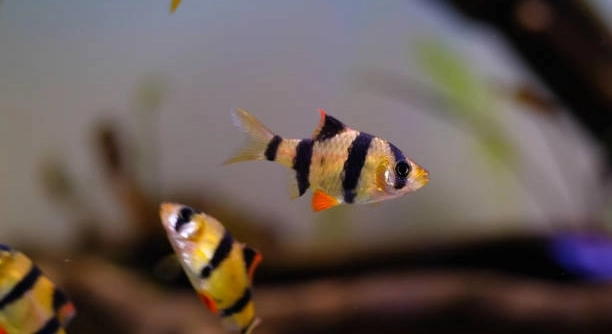
Barbs are colorful freshwater fish known for their lively behavior and social nature. They often choose unexpected spots to rest within their environment. Learning about these resting places helps us better understand their habits and comfort needs.
Barbs tend to rest in unusual places such as among dense plants, under floating leaves, near tank decorations, or even at the bottom of the aquarium. These locations offer them shelter and safety while they recover energy.
Discovering where barbs prefer to rest reveals much about their natural instincts and how to create a comfortable home for them.
Resting Among Dense Plants
Barbs often seek shelter in thick clusters of aquatic plants. These plants provide them with cover from bright lights and other fish. In nature, dense vegetation helps barbs feel protected from predators. In aquariums, plants create a calm space where barbs can relax and catch their breath. You may notice them hiding quietly among tall stems or broad leaves during the day. This resting behavior helps reduce their stress and keeps them feeling safe. Offering a variety of plants in your tank can encourage natural resting spots for barbs. Make sure to include both tall and short plants to create layers of cover. Barbs also enjoy resting near plants with broad leaves, which offer shade and protection. Plants improve water quality, too, which adds to a healthier environment. Watching barbs rest in plants gives insight into how much they value feeling secure in their space.
Dense plants provide essential shelter, making them a favorite resting spot for barbs.
Knowing this, it’s important to maintain healthy plants and provide enough greenery to keep barbs comfortable and stress-free.
Resting Under Floating Leaves
Floating leaves create soft shade in an aquarium, making them attractive resting spots for barbs. These leaves block some light, which helps barbs feel less exposed and more at ease. Barbs often hover beneath the leaves, resting quietly while still being alert. This behavior is similar to what they do in the wild, where floating plants offer protection from birds and strong sunlight. Floating plants also improve oxygen levels in the water, benefiting the fish’s health. In tanks, popular floating plants like duckweed or frogbit work well for this purpose. They not only provide shade but also add visual interest to the aquarium. Barbs resting under floating leaves show their natural instincts to find safe and calm areas. Keeping floating plants healthy ensures barbs have this preferred resting place available daily. It’s a simple way to improve your tank’s environment and keep your barbs relaxed.
Resting Near Tank Decorations
Tank decorations offer barbs a sense of security and shelter. These spots become favorite resting places where barbs can hide or rest quietly.
Decorations like caves, ceramic pots, or driftwood create shaded areas and break the open space in the tank. Barbs often rest near or inside these objects to feel protected from stronger fish or bright lights. These hiding spots help reduce their stress and mimic natural hiding places found in rivers and streams. Choosing smooth decorations without sharp edges is important to prevent injury. Arranging these objects thoughtfully encourages barbs to explore and settle comfortably. When barbs feel safe around decorations, they are less likely to become aggressive or overly skittish. Providing enough hiding places also supports their natural social behavior, allowing shy individuals to retreat when needed.
Properly placed decorations can turn a tank into a more comfortable, secure home for barbs.
Resting at the Bottom of the Aquarium
Barbs sometimes rest at the bottom to conserve energy or escape strong currents. This behavior is normal and often a sign of contentment.
Resting near the substrate lets barbs avoid busy tank areas and find calmer water. They often choose smooth gravel or sand for comfort. The bottom offers a cool, quiet space away from light and movement. Barbs resting here may also graze on algae or leftover food. Providing a soft, clean substrate is essential to support this resting habit. Barbs feel secure near the bottom because it gives them a low profile, helping avoid attention from more dominant fish. Ensuring the tank has gentle water flow and enough space also encourages bottom resting without stress. Observing barbs resting calmly on the substrate shows they are comfortable and relaxed in their environment.
Resting Near the Water Surface
Barbs sometimes rest near the surface, especially when the water is warm and well-oxygenated. This spot offers easy access to fresh oxygen and a calm environment.
Floating plants or gentle ripples can create quiet zones near the surface, making it a preferred resting place for some barbs.
Resting Inside Plant Roots
Barbs often find shelter within dense plant roots. These tangled spaces provide extra protection and a sense of safety, similar to their natural habitat.
Roots also offer small hiding spots where barbs can rest without being disturbed, helping reduce their stress.
Resting in Groups
Barbs like to rest in groups for security and warmth. Staying close together helps them feel safer and less vulnerable to threats.
Group resting is common among social fish like barbs, strengthening their bonds and improving their overall well-being.
FAQ
Why do barbs rest in unusual places?
Barbs rest in unusual places mainly to feel safe and reduce stress. Their natural instinct pushes them to find shelter where they can avoid predators and bright light. In home aquariums, resting in plants, decorations, or near the bottom helps them feel secure and calm.
Is it normal for barbs to rest a lot?
Yes, barbs resting frequently is normal. Resting allows them to conserve energy and recover from swimming or social interactions. If the resting spots are calm and safe, it means the fish is comfortable in its environment.
Can resting behavior show if a barb is sick?
Sometimes. If a barb rests more than usual or isolates itself completely, it might indicate stress or illness. Look for other signs like loss of appetite, faded colors, or unusual swimming patterns. If those appear, checking water quality and health is important.
Do barbs prefer certain plants for resting?
Barbs tend to favor plants with dense leaves or broad coverage. Species like Java fern, Anubias, or Amazon sword plants provide good shelter. These plants create shaded areas and hiding spots where barbs can rest without feeling exposed.
Should I provide decorations specifically for resting?
Yes. Including smooth caves, ceramic pots, or driftwood offers extra resting places. These decorations mimic natural shelters and help reduce aggression by providing separate safe zones for shy or stressed barbs.
Is it safe for barbs to rest near the surface?
Resting near the surface is safe as long as the water is clean and well-oxygenated. Barbs may rest here to access fresh oxygen, especially in tanks with floating plants. However, constant gasping at the surface might signal poor water conditions.
How often do barbs rest during the day?
Barbs usually rest several times throughout the day, often in short periods. They are active swimmers but need breaks to conserve energy. Their resting behavior depends on tank conditions, lighting, and social interactions.
Can resting spots reduce aggression in barbs?
Providing plenty of resting spots can help reduce aggression. When barbs have their own spaces to retreat, they are less likely to fight over territory. A well-decorated tank with plants and hiding spots encourages peaceful coexistence.
Do barbs rest more in groups or alone?
Barbs often prefer resting in groups because it gives them a sense of security. However, shy individuals may sometimes rest alone in secluded spots. Observing your barbs’ behavior will help you understand their social resting preferences.
What substrate is best for barbs to rest on?
Soft, smooth substrates like fine gravel or sand are best. These surfaces are comfortable and safe for resting. Rough or sharp substrates can harm their delicate fins and skin, so it’s best to avoid those.
Can resting behavior change with tank size?
Yes, tank size affects where and how often barbs rest. In larger tanks, barbs have more space to choose different resting places. Smaller tanks limit hiding spots and may increase stress, leading to less restful behavior.
How to encourage healthy resting habits in barbs?
Keep water clean, maintain good oxygen levels, and provide varied plants and decorations. Avoid overcrowding and bright, constant lighting. A balanced environment helps barbs feel safe, encouraging natural resting behavior.
Is it harmful if barbs rest motionless for a long time?
If resting motionless for a long time, it could be a sign of illness or poor water quality. Healthy barbs rest briefly and remain alert. Monitor your fish and water parameters to ensure their health is not at risk.
Can temperature affect where barbs rest?
Yes, temperature impacts resting spots. Warmer water may lead barbs to rest near the surface where oxygen is higher. Cooler tanks might encourage resting near plants or bottom areas. Keeping stable temperature supports healthy resting patterns.
Barbs are lively fish that have simple needs when it comes to resting. They look for quiet and safe places where they can take breaks from swimming and socializing. These resting spots are not always obvious but are important for their well-being. Whether it is hiding among dense plants, resting under floating leaves, or taking shelter near decorations, barbs use these places to feel secure and calm. Providing a tank with enough hiding spaces and gentle water flow helps barbs relax naturally. When they have places to rest, they show less stress and behave more peacefully.
It is normal for barbs to rest several times during the day. Resting allows them to save energy and stay healthy. In a good environment, barbs will rest in groups or alone, depending on how comfortable they feel. Watching where your barbs like to rest can give you clues about their comfort level and tank conditions. If barbs hide too much or stay motionless for long periods, it could signal health problems or stress. Keeping the tank clean, maintaining proper water quality, and offering plants and decorations support healthy resting behavior. Attention to these details creates a calm and balanced home for barbs.
Understanding where and why barbs rest is helpful for anyone caring for these fish. It is more than just watching them swim; it is about noticing their quiet moments and giving them space to feel safe. Resting is part of their natural routine and a sign that they are comfortable. Taking the time to create a suitable resting environment benefits the fish’s health and happiness. In turn, this makes the aquarium more enjoyable to watch. Caring for barbs means respecting their needs, including the simple but essential need for rest.

Hello,
If you enjoy the content that we create, please consider saying a "Thank You!" by leaving a tip.
Every little bit helps us continue crafting quality advice that supports the health, happiness, and well-being of pets around the world, for pets of all shapes, sizes, and species.
We really appreciate the kindness and support that you show us!