
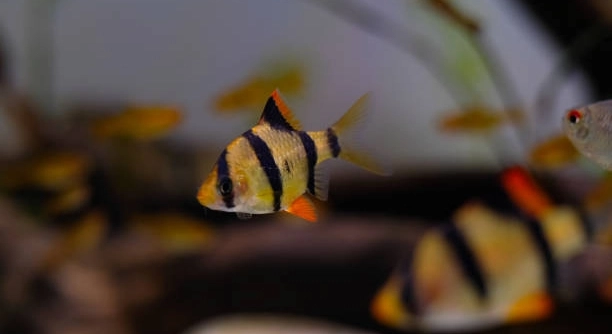
Tiger Barbs are lively fish often seen darting around the aquarium. Their behavior sometimes includes nipping at floating food, which can puzzle many fish keepers. Understanding this habit helps improve care and feeding routines for these colorful fish.
Tiger Barbs nip at floating food primarily because of their natural competitive instincts and social behavior. Nipping ensures they secure food quickly in a group setting, reflecting their active and sometimes aggressive nature during feeding times.
Recognizing this behavior can help fish owners create a better feeding environment. Managing competition among Tiger Barbs promotes a healthier tank atmosphere and reduces stress for all fish involved.
Understanding Tiger Barbs’ Feeding Behavior
Tiger Barbs are naturally competitive when it comes to food. In their natural habitat, food is not always abundant, so they have developed quick reflexes to grab whatever they can. This instinct carries over to home aquariums, where multiple fish often compete for the same floating food. Nipping at the food or even each other helps them establish dominance and secure their share before others do. Their sharp teeth and quick movements can sometimes seem aggressive, but this is simply part of how they feed. It is important to note that this behavior is not a sign of illness or stress but a normal social response. Understanding this helps in adjusting feeding habits to better suit their nature and reduce any potential harm from excessive nipping.
Controlling the amount and type of food can minimize aggressive behavior during feeding times.
Providing multiple feeding spots and sinking pellets can also reduce competition and nipping among Tiger Barbs, promoting a calmer tank environment.
Preventing Nipping During Feeding
Separate feeding areas help reduce the competition between Tiger Barbs.
Using a mix of sinking and floating food is effective in managing nipping behavior.
Introducing sinking pellets alongside floating flakes gives Tiger Barbs alternatives that spread out their feeding activity. This reduces crowding at the surface and the urgency to nip at floating food. Feeding smaller amounts multiple times a day can also help. It prevents overfeeding and reduces the rush to grab food quickly. Some aquarists find that adding plants or decorations provides hiding spaces and lessens aggressive behavior during feeding. Consistent feeding schedules train fish to expect food at certain times, which calms their eagerness. By managing how and where food is offered, it is possible to create a more peaceful environment for Tiger Barbs while ensuring they get enough nutrition without stress.
Impact of Nipping on Tank Mates
Nipping can stress other fish in the aquarium. It may cause injury or lead to shy behavior.
While Tiger Barbs are known for their nipping, the intensity varies depending on the number of fish and tank size. Overcrowding increases competition, causing more frequent nipping. Additionally, fish with long fins or slow swimmers may be targeted more often. Providing enough space and hiding spots helps reduce this behavior. Careful observation is necessary to ensure no fish is overly stressed or harmed by nipping.
Keeping a balanced number of Tiger Barbs with other compatible species can create a peaceful community tank. Proper care prevents excessive aggression and promotes harmony among fish.
Feeding Tips to Reduce Nipping
Feeding smaller amounts more frequently lowers competition.
Using varied food types satisfies different feeding preferences. Mixing floating flakes with sinking pellets keeps Tiger Barbs occupied at different levels. This spreads out their attention and reduces the rush for floating food. Additionally, feeding at regular times builds a routine, decreasing stress and aggressive food grabbing. Avoid overfeeding to prevent waste and water quality issues, which can also affect fish behavior. Clean water and proper nutrition are key to calmer feeding sessions.
By adjusting feeding habits and tank setup, nipping can be minimized, making life easier for both the fish and the caretaker.
Choosing Compatible Tank Mates
Tiger Barbs do best with fish that can handle their active nature. Avoid slow or long-finned species.
Ideal tank mates include fast swimmers and similar-sized fish that won’t be easy targets for nipping.
Tank Setup to Minimize Nipping
A well-planted tank with plenty of hiding spots reduces aggression. Plants, rocks, and decorations break lines of sight and give fish places to retreat. Open swimming space is important but balanced with cover to prevent constant chasing. Proper tank size also matters; overcrowding increases stress and nipping. Regular maintenance keeps the environment stable, which supports calmer fish behavior. Thoughtful tank arrangement can improve harmony and lessen nipping incidents among Tiger Barbs.
When to Intervene
If nipping causes injury or persistent stress, changes are necessary.
FAQ
Why do Tiger Barbs nip more when food is floating?
Tiger Barbs are naturally competitive and quick to grab food before others get it. Floating food concentrates all fish at the surface, increasing competition and causing more nipping. This behavior is part of their instinct to secure food quickly in groups.
How can I reduce nipping during feeding times?
Feeding smaller amounts multiple times a day helps reduce competition. Offering sinking pellets alongside floating flakes spreads out feeding locations, which lowers aggression. Providing enough space and hiding spots also gives fish places to retreat, making them less aggressive.
Is nipping a sign of illness or stress?
Nipping at floating food is generally normal behavior for Tiger Barbs, not a sign of illness. However, excessive aggression or constant chasing could indicate stress from overcrowding, poor water quality, or incompatible tank mates. Monitoring tank conditions is important.
Can nipping injure other fish?
Yes, nipping can cause physical damage, especially to slow swimmers or fish with long fins. Injuries can lead to infections if untreated. Keeping tank mates compatible and providing enough space helps prevent serious harm.
What tank mates are best with Tiger Barbs?
Fast, active fish of similar size are best. Species like danios or barbs tolerate their energy and can avoid being nipped. Avoid slow, long-finned, or very shy fish as they may be targets.
Does tank size affect nipping behavior?
Yes, smaller tanks increase competition and stress, which leads to more nipping. Larger tanks with adequate hiding places reduce stress and aggression by giving fish space to escape and avoid constant contact.
Should I separate aggressive Tiger Barbs?
If a particular Tiger Barb is overly aggressive and harming others, separating it temporarily can help. Sometimes increasing group size reduces bullying, as aggression spreads out. In severe cases, removing the aggressive fish may be necessary.
What type of food is best to minimize nipping?
A combination of sinking pellets and floating flakes works well. Sinking pellets encourage fish to feed at different levels, reducing crowding at the surface. High-quality, nutritious food also keeps fish satisfied and less likely to compete aggressively.
How often should I feed Tiger Barbs?
Feeding small amounts two to three times daily is ideal. This prevents overfeeding and reduces the urgency to grab food quickly, which in turn lowers nipping. Maintaining a consistent schedule also helps fish feel secure.
Can plants help reduce nipping?
Yes, live or artificial plants provide hiding spots and break up sight lines. This reduces constant chasing and gives fish places to escape, which lowers stress and aggression during feeding and other activities.
Is it normal for Tiger Barbs to nip at each other?
Some nipping among Tiger Barbs is normal as they establish social order. However, excessive or damaging nipping should be addressed by adjusting tank conditions, feeding methods, or group size.
How can I tell if nipping is harming my fish?
Look for torn fins, visible wounds, or fish hiding excessively. Behavioral changes like lethargy or loss of appetite can also indicate stress caused by nipping. Prompt action can prevent further damage.
Does increasing the number of Tiger Barbs help with nipping?
Sometimes, having a larger group of six or more Tiger Barbs spreads aggression and reduces bullying. It creates a more balanced social dynamic, but overcrowding must be avoided to prevent stress.
Can supplements or additives calm aggressive behavior?
While some additives claim to reduce stress, the most effective approach is maintaining good water quality, proper tank setup, and suitable feeding. These factors naturally support calmer fish behavior.
What should I do if nipping causes serious injuries?
Isolate injured fish if possible to allow healing. Treat wounds with appropriate aquarium medications and improve tank conditions to reduce stress. Consult an aquatic specialist if infections develop.
Tiger Barbs are lively and social fish that naturally display nipping behavior, especially around floating food. This behavior is rooted in their instincts to compete for limited resources, which is common in many schooling fish. Understanding that nipping is a natural part of their feeding routine helps fish keepers respond appropriately without unnecessary worry. While it can seem aggressive, it is important to remember that this behavior is part of how Tiger Barbs interact with their environment and each other. With the right tank setup and feeding strategies, this behavior can be managed effectively.
Creating a suitable environment is key to reducing stress and minimizing nipping. Providing enough space for the fish to swim and enough hiding spots helps break up the competition during feeding. Feeding smaller amounts more frequently and offering a combination of sinking and floating foods spreads out their attention and reduces aggressive food grabbing. Selecting compatible tank mates that can handle the Tiger Barbs’ active nature also helps maintain balance in the aquarium. Careful observation of the fish will show when adjustments are needed to keep the community peaceful and healthy.
Ultimately, Tiger Barbs’ nipping at floating food can be seen as a normal behavior rather than a problem. It reflects their natural instincts and social structure. With thoughtful care and proper tank management, fish keepers can create an environment that respects these behaviors while ensuring all fish thrive. Taking steps to reduce competition and stress will make feeding times more enjoyable for both the fish and the caretaker. This understanding leads to better fish health and a more harmonious aquarium overall.

Hello,
If you enjoy the content that we create, please consider saying a "Thank You!" by leaving a tip.
Every little bit helps us continue crafting quality advice that supports the health, happiness, and well-being of pets around the world, for pets of all shapes, sizes, and species.
We really appreciate the kindness and support that you show us!