
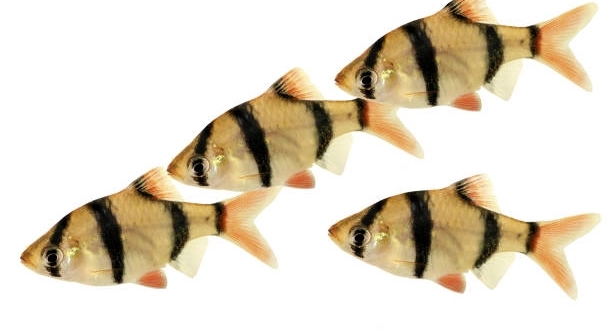
Do your tiger barbs sometimes move in unexpected ways, like swimming backward when everything else seems fine in the tank?
Tiger barbs sometimes swim backward due to stress, neurological issues, or poor water quality. Environmental triggers such as sudden changes in tank conditions or injury can also contribute to this unusual swimming behavior in otherwise healthy fish.
Learning what causes this behavior can help you protect your fish and create a safer, more stable environment in your home aquarium.
Common Reasons Behind the Behavior
Tiger barbs may swim backward due to stress, poor tank conditions, or internal health issues. Stress is usually caused by overcrowding, aggressive tankmates, or sudden environmental changes. These fish are active and social, so anything that disrupts their routine can impact how they move. Poor water quality, especially high ammonia or nitrite levels, affects their ability to swim normally. Internal parasites or swim bladder disorders can also lead to strange movement patterns. If your tiger barb starts swimming backward frequently, it’s a signal that something may be wrong. Taking a closer look at your setup, feeding routine, and maintenance schedule can help you identify the issue early. A balanced, calm environment supports healthy movement.
Keeping the tank clean and stable is essential to preventing these behaviors from becoming more serious.
If the fish continues swimming backward even after water changes and stressors are removed, there may be a deeper health concern involved.
How to Respond and Help
Observing your fish closely helps you notice early signs before they get worse.
To help your tiger barb, first test the water for ammonia, nitrites, nitrates, and pH. If levels are off, adjust them gradually. Remove aggressive fish and ensure there’s enough space in the tank. Consistent temperature and gentle filtration also support your fish’s comfort. Feed your tiger barbs high-quality, varied food in proper amounts. Overfeeding or using low-nutrition flakes may contribute to swim issues. If the fish continues acting abnormally, isolate it in a separate tank to avoid spreading possible infections. Adding aquarium salt can ease mild swim bladder issues, but use it only as directed. Consult an aquatic vet if things don’t improve. These steps can help you support your fish’s health without causing extra stress. Making steady, thoughtful changes is often the most effective way to restore balance in your tank.
Preventing Backward Swimming
The best way to prevent backward swimming is to maintain stable water quality and reduce stress in the tank. Avoid overcrowding and make sure your tiger barbs have enough space and peaceful tankmates. Consistent care helps avoid many behavioral problems.
Keep up with regular water changes, checking levels weekly with a test kit. Maintain the water temperature between 74–79°F and avoid sudden changes. Feed high-quality food in small portions and remove any leftovers. Include hiding spots using plants or decorations so fish feel secure. Observe your fish daily—sudden changes in behavior are early signs something’s wrong. When adding new fish or changing the setup, do it slowly. Quarantine new fish for two weeks before adding them to the main tank. All these steps reduce the risk of stress and illness. A well-balanced tank with stable conditions can prevent most swimming issues from starting in the first place.
If you notice aggression from tankmates, rearranging the layout can break territorial habits and reduce stress. Adding a few extra fish of the same species can also help tiger barbs feel more secure, as they prefer being in groups. Providing these simple adjustments can make a big difference in their behavior over time.
When to Be Concerned
Backward swimming becomes concerning if it’s persistent and paired with signs like bloating, loss of appetite, or isolation. These signs may indicate a swim bladder issue, internal infection, or nerve damage. Swift action is important for recovery.
Start by isolating the fish in a quiet, observation tank. Keep the water clean and at a steady temperature. Avoid feeding for 24 hours, then offer a blanched pea to help digestion if bloating is present. Check for other symptoms, like red streaks, gasping, or erratic movements, which may require medication. If nothing improves after a few days, contact an aquatic vet. They can diagnose deeper health concerns that home care can’t fix. Leaving symptoms untreated may lead to further decline or spread of illness. Timely attention can give your tiger barb a better chance at recovering and returning to its active, natural behavior.
Signs It’s Improving
If your tiger barb starts swimming normally and resumes schooling with others, that’s a good sign of improvement. Eating regularly and showing interest in its surroundings also means it’s feeling better. Watch for consistent, stable behavior over several days.
Clear fins, steady swimming, and active engagement are encouraging. A return to playful chasing or exploring the tank shows reduced stress and balanced health. Regular feeding without floating or sinking issues also indicates that internal problems are healing.
Small Adjustments That Help
Adding more live plants or hiding spaces can ease stress and give your fish a sense of safety. Dim lighting for a few days may also calm them. Avoid tapping the tank or making sudden changes in the environment. Even small adjustments in how you feed or clean the tank can help.
What Not to Do
Don’t add medications without knowing the cause. Avoid overfeeding or changing too many tank conditions at once.
Why do tiger barbs swim backward sometimes?
Tiger barbs swim backward primarily due to stress, poor water quality, or health problems such as swim bladder disorder. Stress can come from overcrowding, aggressive tankmates, or sudden changes in tank conditions. Poor water quality, including high ammonia or nitrite levels, can affect their nervous system and swimming ability. Sometimes, internal infections or parasites disrupt their balance, causing them to swim unusually.
Is backward swimming always a sign of illness?
Not always. Occasional backward swimming can happen if the fish is startled or exploring, but persistent backward swimming often signals stress or a health issue. If the behavior continues along with other signs like lethargy, loss of appetite, or bloating, it is important to investigate further and consider treatment.
How can I improve water quality for my tiger barbs?
Regular water testing and maintenance are key. Test ammonia, nitrites, nitrates, and pH weekly. Perform partial water changes of 20-30% weekly to keep toxins low. Use a reliable filter and avoid overfeeding, as uneaten food breaks down and pollutes the water. Stable temperature between 74-79°F is also important for their comfort.
Can tankmates cause stress that leads to backward swimming?
Yes. Tiger barbs can be aggressive but are also sensitive to overly aggressive or territorial fish. If they are bullied or chased constantly, they may show abnormal behaviors like swimming backward. Keeping compatible fish and providing enough space and hiding spots reduces stress and promotes natural behavior.
What foods are best to prevent swim bladder problems?
High-quality flakes or pellets, supplemented with frozen or live foods like bloodworms or brine shrimp, offer balanced nutrition. Overfeeding or feeding low-quality food can cause digestive issues leading to swim bladder problems. Feeding small portions two to three times daily and including occasional fiber-rich treats, like peas, helps maintain digestive health.
How do I treat swim bladder disorder?
First, fast the fish for 24-48 hours to allow digestion. Then feed a peeled, blanched pea to help clear blockages. Ensure water quality is optimal and reduce stress. If symptoms persist, isolate the fish and consider aquarium salt treatment or veterinary advice. Avoid overmedicating without diagnosis, as incorrect treatments can harm your fish.
When should I isolate a fish that swims backward?
Isolate the fish if it shows continuous backward swimming along with other symptoms like difficulty swimming upright, bloating, or lethargy. Isolation reduces stress and prevents potential spread of infection. Use a clean, well-maintained quarantine tank with similar water conditions to the main tank.
Can environmental changes trigger backward swimming?
Yes, sudden temperature shifts, changes in lighting, or rearranging tank decorations may stress tiger barbs and cause unusual swimming. Gradual changes and maintaining consistent conditions help fish adjust without distress.
Are there natural remedies to help tiger barbs swim normally again?
Maintaining stable water conditions, reducing stress, and providing balanced nutrition are the best natural approaches. Adding aquarium salt in low doses can relieve minor swim bladder problems, but use it carefully and follow guidelines. Ensuring a peaceful environment with plenty of hiding spots also supports recovery.
How long does it take for a tiger barb to recover from swim bladder issues?
Recovery time varies but usually takes a few days to a week if treated properly and stress is minimized. Persistent problems may require professional help. Early intervention improves chances for full recovery.
Is backward swimming harmful to the fish?
If occasional, it is usually not harmful. However, frequent backward swimming can indicate underlying issues that may worsen if untreated. It can also increase vulnerability to injury or exhaustion. Monitoring behavior closely helps protect your fish.
What should I avoid when caring for a backward swimming tiger barb?
Avoid sudden water changes, overfeeding, using medications without diagnosis, and exposing the fish to aggressive tankmates. These actions can increase stress or worsen health problems.
Can poor diet cause backward swimming?
Yes, improper nutrition may lead to swim bladder disorders or digestive problems, resulting in abnormal swimming. Balanced feeding is essential for healthy movement.
Do all tiger barbs swim backward occasionally?
No, it is not common behavior for healthy tiger barbs. Occasional backward movements might happen, but frequent backward swimming usually signals a problem requiring attention.
Is water temperature important for preventing swimming issues?
Yes, maintaining a consistent temperature between 74 and 79°F supports normal metabolism and swim bladder function. Sudden temperature fluctuations can stress fish and lead to swimming problems.
Can adding more tiger barbs help reduce stress?
Tiger barbs are schooling fish that feel safer in groups of at least six. Adding more tiger barbs can reduce aggression and stress, promoting healthier behavior and reducing the chance of abnormal swimming.
How often should I test the water?
Testing water weekly is recommended to catch problems early. Frequent monitoring ensures stable conditions, helping prevent behavioral and health issues.
What signs show a tiger barb is stressed besides swimming backward?
Signs include hiding frequently, loss of appetite, faded coloration, clamped fins, and lethargy. Recognizing these early helps improve care.
Can swim bladder problems be hereditary?
Swim bladder issues are usually caused by environment or diet, but genetic factors may make some fish more susceptible. Choosing healthy, well-bred fish reduces risks.
Understanding why tiger barbs sometimes swim backward is important for their care. This behavior often points to stress, water quality problems, or health issues. Watching your fish closely and maintaining a stable environment can prevent many of these problems. By keeping water clean, providing enough space, and feeding a balanced diet, you can support your tiger barbs’ natural behavior and reduce the chances of unusual swimming.
When backward swimming happens, it is usually a signal that something needs attention. Early action helps your fish recover more quickly and avoid serious illness. Simple steps like testing water, adjusting tank conditions, and isolating affected fish can make a big difference. Avoid rushing to use medications without knowing the cause. Instead, focus on creating a calm, steady environment where your tiger barbs can thrive. If problems continue, consulting a specialist will give you the best chance to help your fish heal properly.
Overall, caring for tiger barbs requires patience and observation. They are active, social fish that rely on a balanced habitat to stay healthy. Small changes in their environment or diet can lead to behavior changes like swimming backward. Taking time to understand these signs will help you keep your aquarium peaceful and your fish happy. With proper care and attention, your tiger barbs can enjoy a long, healthy life swimming naturally.

Hello,
If you enjoy the content that we create, please consider saying a "Thank You!" by leaving a tip.
Every little bit helps us continue crafting quality advice that supports the health, happiness, and well-being of pets around the world, for pets of all shapes, sizes, and species.
We really appreciate the kindness and support that you show us!