
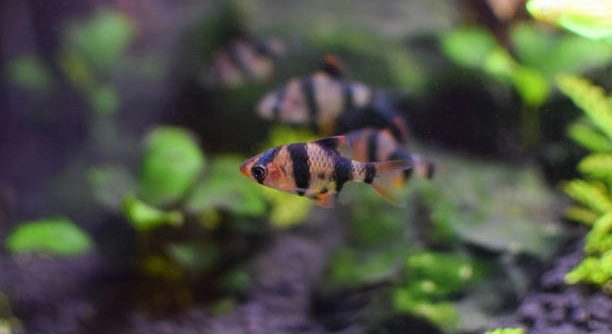
Keeping different fish species together in one tank can be a challenge for many aquarium enthusiasts. Tiger barbs and betta fish are popular choices, but their compatibility raises concerns. Understanding their behavior and needs is important for a peaceful aquarium.
Tiger barbs and betta fish generally do not make good tank mates due to their differing temperaments. Tiger barbs are active and sometimes aggressive, while bettas can be territorial and stressed by fast-moving fish. Proper care requires careful tank planning.
Knowing how to manage their environment and interactions can help you create a better space for both fish. This article will explain the key points to consider for their cohabitation.
Behavior and Temperament Differences
Tiger barbs are lively, schooling fish that swim in groups and like to explore their tank actively. They can be nippy and chase slower fish, especially ones with long fins. Betta fish, on the other hand, are known for their bright colors and flowing fins but are often territorial. They prefer calmer environments and may flare their fins or become aggressive when feeling threatened. When kept together, tiger barbs’ fast movements and occasional fin-nipping can stress a betta, making it less healthy. It’s important to observe both fish carefully if you try housing them in the same tank. Each species has unique needs for space, hiding spots, and tank mates. Providing plenty of hiding places can help reduce tension, but it may not solve all problems. The risk of injury or stress remains high without careful monitoring and a properly set-up tank.
Adding tiger barbs to a betta’s tank is generally not recommended unless the tank is large and well-structured.
Tank Setup and Size Requirements
Tiger barbs are active swimmers who need room to move and prefer groups of at least six to feel comfortable. Bettas can live in smaller tanks but thrive best in spaces of 5 gallons or more. When combining the two species, a larger tank—20 gallons or more—is necessary to provide enough space and reduce aggression. Adding plants and decorations can create hiding spots for the betta, helping it feel secure away from the more boisterous tiger barbs. Proper filtration and regular water changes are also important to maintain water quality. Tank size and environment play a key role in managing their different needs. Without enough room, stress and fighting will increase. The tank should allow both species to establish their own territories, minimizing contact and conflict. This careful arrangement helps both fish live in a healthier and less stressful environment.
Feeding Habits and Diet Compatibility
Tiger barbs are omnivores that enjoy a varied diet of flakes, pellets, and occasional live or frozen foods. Bettas are primarily carnivores and prefer protein-rich diets like brine shrimp or bloodworms. Both fish can eat flakes or pellets designed for tropical fish, but bettas require higher protein content to stay healthy.
Feeding tiger barbs and bettas together can be tricky because tiger barbs are fast eaters and may outcompete the betta for food. Bettas tend to eat slower and may get stressed if rushed. It helps to feed them separately or use feeding rings to keep food in different parts of the tank. Overfeeding should be avoided for both fish to prevent water quality problems and obesity.
Since their diets differ slightly, offering a mix of foods can keep both fish healthy. Regular monitoring of eating habits ensures each fish gets proper nutrition without competition or aggression during feeding times.
Signs of Stress and Aggression
Stress in bettas and tiger barbs shows through color fading, hiding, or fin damage. Aggression can include chasing, nipping, or flaring fins. Watching these signs early helps prevent serious harm or illness.
If aggression starts, separating the fish or increasing hiding places may reduce conflict. Sometimes, changing tank mates is necessary for their well-being. Regular observation keeps your aquarium peaceful and healthy.
Water Parameters and Compatibility
Both tiger barbs and bettas prefer warm water temperatures between 75°F and 80°F. They also thrive in slightly acidic to neutral pH levels around 6.5 to 7.5. Keeping stable water conditions is important to avoid stressing either fish.
Regular testing and water changes help maintain ideal water quality. Sudden changes can cause illness or aggressive behavior.
Tank Mates to Avoid
Avoid housing tiger barbs and bettas with very slow-moving or long-finned fish like guppies or fancy goldfish. These fish often become targets of nipping or aggression. Choose tank mates that match the temperament and activity levels of both species to keep peace in the aquarium.
Tank Decorations and Hiding Spots
Adding plants, rocks, and caves creates natural hiding spaces. These reduce stress by giving each fish a place to retreat and feel secure. Providing enough cover is essential when mixing species with different activity levels. It helps avoid direct confrontations and keeps the tank calm.
FAQ
Can tiger barbs and bettas live peacefully together?
Tiger barbs and bettas often have trouble living together peacefully. Tiger barbs are active and sometimes aggressive, which can stress out a betta. Bettas prefer calm environments and may become territorial or stressed by the tiger barbs’ constant movement and nipping behavior. If you want to keep them together, you’ll need a large tank with plenty of hiding spots and careful monitoring. Even then, conflicts might happen, so it’s not guaranteed they will live peacefully.
What size tank is best for keeping tiger barbs with a betta?
A tank of at least 20 gallons is recommended if you want to house tiger barbs with a betta. This size helps provide enough space for the tiger barbs to swim actively in groups and allows the betta to have its own territory. Adding plants and decorations helps create separate zones, reducing direct contact and stress. Smaller tanks increase the chance of aggression and stress for both species.
How many tiger barbs should be kept together?
Tiger barbs are schooling fish and feel safest in groups of six or more. Keeping fewer than six may cause them to become more aggressive or stressed, as they rely on their group for social comfort. When kept in larger groups, their aggression is often directed within the school instead of toward other tank mates, like bettas.
What diet should be given to both tiger barbs and bettas?
Tiger barbs are omnivores and enjoy a varied diet including flakes, pellets, and occasional live or frozen foods. Bettas are carnivores and need protein-rich foods like bloodworms or brine shrimp. Both fish can eat tropical fish flakes or pellets, but bettas require more protein. Feeding them separately or in different areas of the tank helps prevent competition and ensures both get proper nutrition.
How do I reduce aggression between tiger barbs and a betta?
To reduce aggression, provide plenty of hiding spots using plants, rocks, and decorations. Ensure the tank is large enough for both species to establish their own territories. Feeding the fish separately can help lower competition. Regular observation is important, and if aggression continues, separating the fish might be necessary to prevent injury.
What water conditions do tiger barbs and bettas need?
Both species prefer water temperatures between 75°F and 80°F and a pH range of 6.5 to 7.5. Stable water conditions with regular testing and water changes help prevent stress and illness. Sudden changes in temperature or pH can cause aggressive behavior or weaken their immune systems.
Can tiger barbs nip a betta’s fins?
Yes, tiger barbs are known to nip the fins of slower or long-finned fish, including bettas. This behavior can cause stress and injury to the betta. Providing enough space, hiding places, and a proper group of tiger barbs can help reduce nipping, but it may not eliminate it entirely.
Are there better tank mates for bettas than tiger barbs?
Yes, bettas usually do better with calm, slow-moving fish that won’t provoke aggression. Examples include snails, shrimp, or small schooling fish like neon tetras. It’s important to avoid fin-nipping or highly active species that may stress a betta.
What should I do if my betta is stressed by tiger barbs?
If your betta shows signs of stress such as hiding constantly, fading colors, or damaged fins, consider separating the fish. Increasing hiding spots might help temporarily, but stress often requires a different tank setup or new tank mates. Prioritize the health and safety of both fish by monitoring closely.
Is it safe to keep just one tiger barb with a betta?
Keeping a single tiger barb with a betta is not recommended. Tiger barbs are schooling fish and need groups to be comfortable. A lone tiger barb may become aggressive or stressed, increasing the risk of fights with the betta. Groups of six or more tiger barbs are better for their social needs.
Final Thoughts
Keeping tiger barbs and bettas together in the same aquarium can be a challenge due to their different behaviors and needs. Tiger barbs are active, fast swimmers who enjoy living in groups, while bettas are more territorial and prefer a calmer environment. This difference can lead to stress and aggression, especially if the tank is too small or lacks enough hiding spots. Understanding these differences is important before deciding to keep these fish together. Careful planning, such as providing a large tank and plenty of decorations for hiding, can help reduce problems, but it may not guarantee peaceful coexistence.
The tank size plays a big role in whether tiger barbs and bettas can live together without trouble. A tank that is too small will force the fish to share limited space, making conflicts more likely. At least 20 gallons is recommended if you want to try keeping them together. It also helps to keep tiger barbs in groups of six or more because they feel safer and less aggressive when in a school. Providing many plants, rocks, or other decorations gives each fish a place to retreat and lowers stress. These steps improve their chances of getting along but will not completely remove the risks of fighting or fin nipping.
Feeding and water conditions are also important for maintaining a healthy environment for both fish. Tiger barbs need a varied diet with flakes, pellets, and some protein, while bettas require higher-protein foods. Feeding them carefully and monitoring their eating habits helps avoid competition. Both species prefer similar water temperatures and pH levels, so maintaining stable water quality with regular testing and changes is key. In the end, keeping tiger barbs and bettas together needs close attention to their behavior and environment. Sometimes, despite the best care, the fish may not be compatible, and separating them will be the best choice for their health and happiness.

Hello,
If you enjoy the content that we create, please consider saying a "Thank You!" by leaving a tip.
Every little bit helps us continue crafting quality advice that supports the health, happiness, and well-being of pets around the world, for pets of all shapes, sizes, and species.
We really appreciate the kindness and support that you show us!