
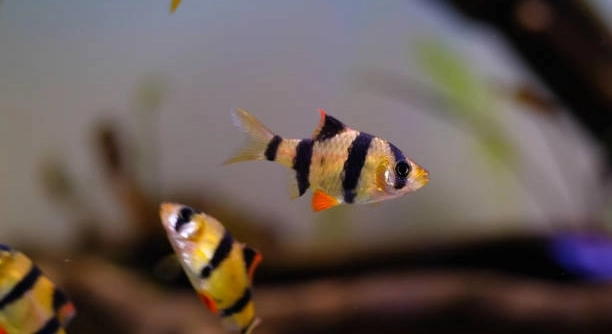
Tiger barbs are popular aquarium fish known for their lively behavior and striking colors. Their vision plays a key role in how they interact with their environment and with other fish. Understanding their eyesight can help aquarists care for them better.
Tiger barb vision is adapted to detect movement and color vividly in their freshwater habitats. Their eyes allow them to see a wide range of colors, which aids in finding food and recognizing tank mates. This visual capability supports their social and survival behaviors.
Knowing more about how tiger barbs see the world can enhance your experience keeping them. These fun facts reveal interesting details that deepen appreciation for these vibrant fish.
How Tiger Barbs See Colors
Tiger barbs have eyes that are very good at noticing colors. Unlike humans, their eyes contain special cells that help them see a wider range of colors, especially in the blue and green areas. This helps them spot food and other fish more easily in their natural environment, which often has murky water. Their ability to see colors clearly also helps them during social interactions. For example, the bright stripes on their bodies are easier to notice, which helps them recognize each other. This sharp color vision is important for survival. It allows them to react quickly to any changes around them. In an aquarium, it also means they respond well to colorful decorations and plants. This can keep them more active and less stressed because their environment feels more natural.
The way tiger barbs see colors helps them survive in many different water conditions. It also makes their tanks more interesting to watch.
Understanding this aspect of their vision lets you create a better home for your fish. By adding colors they can see well, you help them feel safe and comfortable. You can choose plants and decorations that match their color range. This improves their daily activity and social behaviors. It also supports their natural instincts for hunting and exploring. By paying attention to the colors in your tank, you improve their quality of life.
Vision and Tank Lighting
Good lighting in the tank affects how well tiger barbs see.
Proper lighting helps their eyes adjust and shows their colors clearly. It also reduces stress and encourages natural behavior. Choosing the right light can improve their health and happiness in the aquarium. Bright or harsh lights can cause discomfort. Soft, natural light is best. It mimics their environment and helps them feel safe.
The lighting in the tank plays a key role in how tiger barbs use their vision daily. It influences their mood and interactions with other fish. If the light is too dim, they may have trouble finding food or recognizing companions. Too much light can make them hide or become stressed. Using adjustable lights allows for changes throughout the day, similar to natural sunlight. This helps maintain their natural rhythms and keeps them active. Balanced lighting supports the overall well-being of tiger barbs and enhances their natural beauty in your aquarium.
Peripheral Vision in Tiger Barbs
Tiger barbs have wide peripheral vision. Their eyes are positioned on the sides of their heads, allowing them to see nearly all around without turning. This helps them stay alert for predators and food.
Peripheral vision lets tiger barbs quickly spot movement from different directions. This ability is crucial in the wild, where threats can come from any angle. It also helps them keep track of their schoolmates while swimming. This wide field of view supports their social nature and survival instincts. In a tank, this means they can notice changes and react faster than fish with narrower vision.
Because of this wide peripheral vision, tiger barbs rely less on turning their heads to observe their surroundings. This helps them swim more efficiently and stay aware of everything happening around them. It also makes them very responsive to sudden movements, whether it’s another fish or a potential threat. This sharp awareness adds to their lively behavior and helps keep the tank environment dynamic.
Depth Perception and Movement Detection
Tiger barbs use their eyes together to judge distance and depth. This helps them move accurately through their environment.
Depth perception is important when swimming around plants or other fish. It allows tiger barbs to avoid collisions and hunt small prey with precision. Their eyes work together to give a three-dimensional view, helping them understand how far away objects are. This skill is essential in both wild and aquarium settings. It lets them react quickly and move smoothly.
Their ability to detect movement is also very strong. Tiger barbs can notice even slight changes, which helps them catch fast-moving prey or avoid danger. This sharp movement detection supports their active and social nature. It also makes them fun to watch as they dart through the tank. Their eyes are perfectly suited for their busy lifestyle.
Night Vision Abilities
Tiger barbs have limited night vision. Their eyes are adapted mostly for daylight conditions.
At night or in dim light, their vision is not as sharp. They rely more on other senses during these times.
Eye Structure and Adaptation
The eyes of tiger barbs are built to handle changing water conditions. Their pupils adjust quickly to shifts in light intensity. This allows them to see clearly whether the water is bright or murky. Their eye lenses help focus light efficiently, improving clarity underwater. This adaptation is vital for survival in various environments. It helps them find food and avoid threats no matter the water quality. In aquariums, this means they can adapt well to different lighting setups and remain active. The structure of their eyes supports their energetic behavior and constant movement.
Vision and Social Interaction
Tiger barbs use visual cues to communicate and show dominance. Their eyesight helps them recognize other fish and body patterns.
How well can tiger barbs see in low light?
Tiger barbs have eyes mainly suited for daylight, so their vision in low light is limited. They can detect some movement, but details and colors become harder to see when it’s very dark or the tank lighting is dim. In low light conditions, they depend more on their other senses, like their lateral line system, which helps detect vibrations and nearby movement. This means they can still react to changes or threats even when they can’t see clearly. In an aquarium, it’s best to provide moderate lighting that mimics their natural environment, balancing between bright and dim to keep them comfortable and active.
Do tiger barbs recognize their owners or other fish?
Tiger barbs mainly recognize shapes, colors, and movements rather than specific individuals. Their vision allows them to identify other fish by patterns and colors, which helps them form social groups or establish territory. While they might not recognize a human face, they can learn to associate feeding times or movement near the tank with food. This recognition is based on repeated experience, not detailed visual memory. They respond well to consistent care routines, and their vision plays a key role in this learning process. So, while they don’t see people the way we see them, they still respond visually to activity around their tank.
Can tiger barb vision affect their behavior in groups?
Yes, tiger barb vision strongly influences group behavior. Their ability to see colors and movement helps them stay coordinated in schools. They watch each other closely to avoid collisions and to maintain social order. Vision helps them spot signs of stress or aggression among tank mates. Bright stripes and color patterns are important visual signals used during interactions. Poor lighting or murky water can disrupt these signals and lead to confusion or increased aggression. Good visibility encourages natural schooling and reduces stress. This makes vision a key factor in keeping tiger barbs peaceful and active in groups.
Why do tiger barbs sometimes nip at other fish?
Nipping is often linked to their vision and social behavior. Tiger barbs are very active and curious, and their sharp vision makes them notice small movements or changes quickly. Sometimes they mistake slow-moving or less active fish for rivals or prey, which leads to nipping. It can also be a way to test or establish dominance in the group. Good lighting and clear visibility can reduce nipping by helping all fish recognize each other clearly. Providing enough space and hiding spots also helps reduce stress and aggressive behavior that may be triggered by visual cues.
How does tank decoration impact tiger barb vision?
Tank decoration plays a big role in how tiger barbs use their vision. Bright, colorful plants and objects stimulate their color vision and encourage activity. Decorations also create hiding spots and break lines of sight, which can reduce aggression. However, too many dark or large decorations may block light and reduce visibility, making it harder for them to see each other and food. Clear water and balanced lighting improve how well they see their environment. Adjusting tank decorations with their vision in mind helps keep tiger barbs engaged and less stressed.
Can tiger barbs see reflections or their own image in the tank?
Tiger barbs can see reflections in the tank glass or water surface. They may react to their reflection as if it were another fish, sometimes showing curiosity or aggression. This is because their vision detects movement and color, but they don’t understand reflections like humans do. Reflections can cause stress or territorial behavior if the fish think it’s a rival. Reducing reflections by adjusting tank lighting or using backgrounds can help minimize this. Understanding their reaction to reflections helps keep the tank environment calm.
How does water clarity affect tiger barb vision?
Clear water is essential for tiger barbs to see well. When water is murky or cloudy, it blocks light and reduces the sharpness of their vision. This makes it harder for them to find food, recognize tank mates, or detect threats. Poor water clarity can increase stress and cause unusual behavior because their natural ability to rely on vision is compromised. Regular water changes and proper filtration help maintain clarity. Good water quality supports their vision and overall health, making them more active and comfortable.
Do tiger barbs have any special visual adaptations compared to other fish?
Tiger barbs have several adaptations that suit their lifestyle. Their eyes are positioned for wide peripheral vision, helping them stay aware of surroundings. They have good color vision, especially in blue and green, which fits their freshwater habitat. Their pupils adjust quickly to changing light, and their lenses focus well underwater. These features support their active swimming and schooling behavior. Compared to some fish that live in very dark or deep water, tiger barbs are built to thrive in bright, dynamic environments. These visual traits make them lively and responsive fish in aquariums.
Tiger barbs have unique vision that plays an important role in their daily lives. Their eyes are designed to help them see colors vividly and detect movement quickly. This ability helps them find food, recognize other fish, and stay alert to danger. In their natural environment and in aquariums, good vision supports their lively and social behavior. Understanding how tiger barbs see can help aquarium owners create a better living space for them.
Lighting and water clarity are key factors that affect how well tiger barbs use their vision. Proper lighting helps them see clearly and shows off their bright colors. Too much or too little light can cause stress or make it harder for them to interact with other fish. Clear water allows light to reach their eyes easily, which improves their ability to find food and stay aware of their surroundings. Tank decorations should be chosen carefully to enhance visibility without causing shadows or hiding spots that block their view.
Overall, paying attention to tiger barb vision leads to healthier and happier fish. By providing balanced lighting, clean water, and a well-thought-out environment, aquarium owners can support the natural abilities of these fish. This understanding not only improves the fish’s quality of life but also makes the aquarium more enjoyable to watch. Keeping tiger barbs in conditions that respect their vision helps them thrive and show off their energetic personality.

Hello,
If you enjoy the content that we create, please consider saying a "Thank You!" by leaving a tip.
Every little bit helps us continue crafting quality advice that supports the health, happiness, and well-being of pets around the world, for pets of all shapes, sizes, and species.
We really appreciate the kindness and support that you show us!