
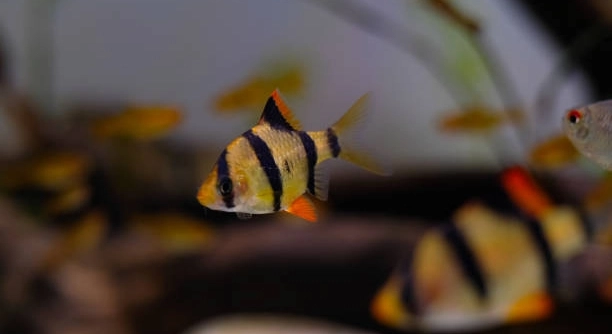
Tiger barbs are lively fish that react to sounds in their environment. Some noises can startle or stress them, affecting their behavior and health. Knowing which sounds might scare your tiger barb helps you create a calm home for them.
Certain sounds, such as sudden loud bangs, high-pitched noises, vibrations from household appliances, and abrupt changes in the environment, can trigger fear or stress responses in tiger barbs. These sounds disrupt their comfort and may lead to erratic swimming or hiding behaviors.
Learning about these sounds will help you protect your fish’s well-being. Understanding how noises affect tiger barbs can make your aquarium a safer and happier place.
Loud Bangs and Clanging Noises
Sudden loud noises like banging on walls or clanging dishes can easily startle tiger barbs. These sounds are unexpected and harsh, causing the fish to swim rapidly or hide. Their environment should feel safe, so loud sounds can make them stressed. In my experience, even noises from nearby construction or heavy footsteps can affect them. When these sounds happen repeatedly, the stress can build up, which is not good for their health. It is best to keep the aquarium in a quiet part of the house or add some soundproofing around it. Doing this helps the fish feel secure and relaxed. Avoid placing the tank near doors or areas where loud noises are common. This simple change can make a big difference in how calm your tiger barbs behave every day.
Tiger barbs react badly to sudden loud noises, often showing signs of stress or hiding in response.
Minimizing these abrupt sounds helps keep your tiger barbs comfortable and less anxious, supporting their overall health and happiness.
High-Pitched Sounds and Electronics
High-pitched sounds from electronic devices may be too intense for tiger barbs. These noises come from items like TVs, computers, or even fluorescent lights. Although humans may not always notice them, fish can hear or sense these frequencies. Continuous exposure can make tiger barbs restless or cause them to avoid certain areas in the tank.
Many modern electronics emit subtle sounds or vibrations that affect aquarium fish. For example, fluorescent lights can produce a faint buzzing or flickering that disturbs sensitive fish. Even small electronic devices nearby might add to the noise level. It’s a good idea to observe your fish’s behavior when new electronics are introduced near the tank. If they seem unsettled, try moving those devices farther away. Reducing this noise source can improve their comfort and lower stress. Creating a peaceful environment means fewer disturbances and healthier fish overall. A quiet tank area supports better feeding and social behavior among tiger barbs. Making adjustments to your setup can really improve your fish’s well-being.
Vibrations from Household Appliances
Vibrations from washing machines, vacuum cleaners, or refrigerators can disturb tiger barbs. These subtle shakes travel through the floor or walls and cause discomfort in the tank.
When appliances run, their vibrations may not be obvious to us but can be very noticeable to fish. Tiger barbs are sensitive to movement around them and may react by swimming nervously or staying in one spot, trying to avoid the vibrations. Over time, constant shaking can increase their stress levels and affect their health. Placing the aquarium on a stable surface away from heavy appliances helps reduce these vibrations. Adding foam or cushioning under the tank can also lessen the impact. This simple step makes a big difference in keeping the water calm and your fish relaxed.
In my experience, moving the tank even a few feet away from these machines reduced the nervous behavior in my tiger barbs. It’s an easy fix that improves their daily comfort and keeps the environment peaceful for them.
Sudden Changes in Surroundings
Unexpected changes in the tank’s environment can frighten tiger barbs. Moving decorations, rearranging plants, or shifting the tank’s location causes stress.
Tiger barbs are creatures of habit and rely on a stable environment to feel safe. When their surroundings change quickly, they may become confused or scared. Sudden movements or alterations disrupt their routine and can lead to hiding or aggressive behavior. It’s important to introduce changes slowly and carefully to avoid causing distress. For example, if you want to add new decorations or move plants, do it gradually over several days. Allow the fish to adjust and watch their reactions closely. If they seem stressed, pause the changes and give them time to settle. Keeping the tank stable supports your fish’s well-being and helps maintain calm behavior. Taking time with adjustments shows respect for your tiger barbs’ comfort and keeps their home peaceful.
Loud Voices and Shouting
Loud talking or shouting near the aquarium can unsettle tiger barbs. Their sensitive hearing picks up on these sudden, harsh sounds.
Even if the noise is not constant, sharp bursts of loud voices can cause stress. It’s best to keep the area around the tank calm to help the fish stay relaxed.
Television and Music Volume
High volume from TVs or music players can create a noisy environment for tiger barbs. The continuous sound and vibrations from speakers affect their comfort and behavior.
Keeping volume levels low or placing the tank in a quieter room helps minimize stress. These changes make it easier for tiger barbs to swim calmly and enjoy their space without feeling threatened.
Footsteps and Movement
Heavy footsteps or frequent movement near the tank can disturb tiger barbs. They sense vibrations through the floor, which can make them nervous and jittery.
FAQ
What sounds are most likely to scare my tiger barb?
Sudden loud noises like banging, clanging, and shouting are the most stressful for tiger barbs. They also react to high-pitched sounds from electronics and constant vibrations from household appliances. Even loud music or TV volume can make them nervous. These sounds interrupt their calm environment and cause fear.
How can I reduce noise stress for my tiger barbs?
Place the aquarium in a quiet part of your home away from busy areas and heavy machinery. Use cushioning materials under the tank to absorb vibrations. Lower TV and music volume, and avoid shouting or loud voices near the tank. Also, keep electronic devices that emit high-frequency sounds at a distance from the aquarium.
Can vibrations really affect my fish that much?
Yes, tiger barbs are sensitive to vibrations. Washing machines, vacuum cleaners, or refrigerators produce subtle shakes that can travel through walls or floors. These vibrations may cause the fish to become restless or stressed, affecting their health if it happens often.
Are tiger barbs affected by changes in their tank setup?
They are. Tiger barbs prefer a stable environment and feel safe when their surroundings stay consistent. Sudden rearrangement of plants, decorations, or moving the tank can frighten them. Gradual changes help them adjust better and reduce stress.
Do tiger barbs hear sounds the same way humans do?
No, fish hear differently. They sense vibrations and low-frequency sounds through their bodies and lateral lines, not ears like humans. Some noises may seem quiet or inaudible to us but can be very noticeable to fish. This is why things like fluorescent lights or electronics can bother them even if we don’t notice any sound.
What signs show my tiger barb is scared or stressed?
Look for erratic swimming, hiding more than usual, or refusing to eat. Stress may also cause changes in color or aggression toward other fish. If your tiger barbs seem restless or jumpy, noises or vibrations could be the cause.
Is it necessary to soundproof the room around the aquarium?
Complete soundproofing is not usually needed. Simple steps like placing the tank away from noisy appliances and busy areas are often enough. Adding foam or padding under the tank to reduce vibrations also helps. The goal is to create a calm and stable environment.
Can playing soft music calm tiger barbs?
Soft, steady sounds might not bother them, but loud or fast music can increase stress. It’s safer to keep the environment as quiet as possible. If you want to test music, observe your fish carefully for any signs of discomfort.
How often should I check for noise and vibration issues?
Regularly. Whenever you add new electronics or move appliances, watch how your tiger barbs react. If their behavior changes negatively, consider rearranging the setup or lowering noise sources. Consistent monitoring helps keep the fish healthy.
Are there any tools to measure noise or vibrations near the tank?
Yes, apps on smartphones can measure noise levels and vibrations. These tools help you identify problem sources. Once you know what causes the disturbance, you can take action to reduce it.
What else can I do to help my tiger barbs feel safe?
Maintain clean water and proper tank conditions. Provide hiding spots with plants or decorations. A well-cared-for fish is better able to handle minor stresses, but minimizing noise and vibrations remains key to their comfort and happiness.
Creating a peaceful environment is very important for tiger barbs. These fish are sensitive to many types of sounds and vibrations that humans might not notice. Loud bangs, high-pitched noises, and even subtle shaking from household appliances can cause them stress. When they feel scared, their behavior changes. They may swim nervously, hide, or stop eating. This stress can hurt their health over time. Paying attention to the sounds around your aquarium helps keep your tiger barbs calm and comfortable.
Keeping noise levels low and avoiding sudden changes around the tank are simple steps that make a big difference. Placing the aquarium away from noisy areas like kitchens or laundry rooms helps a lot. Using soft padding under the tank reduces vibrations from the floor. Lowering the volume of TVs and music near the fish is also important. It’s best to avoid shouting or loud voices around the tank. Even changes inside the aquarium, like moving decorations quickly, can frighten tiger barbs. Making slow adjustments gives the fish time to get used to new surroundings.
A calm and steady environment supports the health and happiness of tiger barbs. They will be less stressed and more active in a quiet space. Watching your fish closely helps you notice when something is wrong. If they seem scared or stressed, looking at the sounds and movements near the tank is a good place to start. By creating a peaceful home and avoiding sudden noises or vibrations, you help your tiger barbs thrive. Simple care like this makes a big difference in their lives.

Hello,
If you enjoy the content that we create, please consider saying a "Thank You!" by leaving a tip.
Every little bit helps us continue crafting quality advice that supports the health, happiness, and well-being of pets around the world, for pets of all shapes, sizes, and species.
We really appreciate the kindness and support that you show us!