
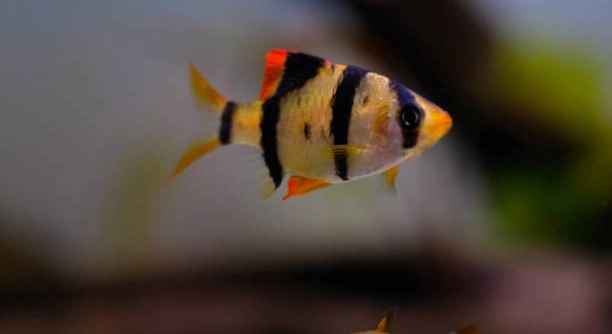
Tiger Barbs are popular aquarium fish known for their lively behavior and striking colors. However, their feeding time can sometimes become aggressive, which surprises many fish keepers. Understanding why this happens helps in managing their behavior effectively.
Tiger Barbs may attack during feeding due to competition for food and their natural territorial instincts. Their aggressive behavior increases when food is limited or when they feel crowded, which can cause stress and lead to rapid, defensive actions.
Recognizing these causes can improve your approach to feeding and maintaining a peaceful aquarium environment for your Tiger Barbs.
Understanding Tiger Barbs’ Feeding Behavior
Tiger Barbs are naturally active and social fish, but they have a competitive streak that shows most during feeding. When food is introduced, their instincts push them to secure as much as possible before others do. This behavior is common in many schooling fish, but with Tiger Barbs, it can sometimes escalate into nipping or chasing. The limited space inside an aquarium adds to this tension, especially if there are many fish or not enough hiding spots. Over time, this can stress both the Tiger Barbs and other tank mates. Proper feeding routines and tank setups can reduce aggressive encounters by giving each fish enough space and food.
Feeding frequency and the type of food influence how Tiger Barbs behave. Larger flakes or pellets might reduce fights compared to tiny floating particles.
Adjusting feeding habits, like spreading food over a larger area or increasing feeding times, can help maintain a calm environment for all fish involved.
Tank Setup and Its Impact
The size and decoration of your aquarium play a big role in how Tiger Barbs act during feeding. A cramped tank with few hiding places raises stress levels and aggression. Larger tanks with plants, rocks, and caves offer refuge and reduce competition, creating a more balanced social dynamic among the fish. Additionally, keeping the number of Tiger Barbs appropriate for the tank size helps prevent overcrowding and the stress that comes with it. Proper filtration and water quality also support their health and behavior. A well-maintained tank provides a stable environment where aggressive feeding is less likely to become a problem, benefiting all fish species sharing the space.
Managing Aggression During Feeding
Controlling aggression among Tiger Barbs starts with consistent feeding routines. Feeding small amounts multiple times a day helps reduce competition and lowers the chance of attacks.
It’s important to distribute food evenly across the tank to prevent crowding in one spot. Using sinking pellets or spreading flakes across different areas encourages the fish to spread out. This minimizes clashes and allows more timid fish to eat comfortably. Observing how your fish respond during feeding can help adjust portions and timing. Avoid overfeeding, as leftover food can cause water quality problems, which increases stress and aggression.
Providing plenty of space and hiding spots helps reduce tensions. Adding plants or decorations where fish can retreat calms the environment. The goal is to keep feeding times peaceful for all tank inhabitants.
Recognizing Signs of Stress and Injury
Aggression during feeding can lead to physical harm and stress in Tiger Barbs. Watch for torn fins, missing scales, or unusual swimming patterns, which indicate injuries or stress. Early recognition helps prevent long-term health issues.
Stress can also weaken their immune system, making fish more vulnerable to diseases. Behavior changes such as hiding or lethargy should be taken seriously. Keeping water parameters stable and monitoring interactions ensures a healthier tank. Taking action quickly by adjusting tank conditions or separating aggressive individuals may be necessary to protect your fish’s well-being.
Choosing Compatible Tank Mates
Selecting peaceful fish species reduces conflicts during feeding. Avoid placing aggressive or slow-moving fish with Tiger Barbs, as this can increase stress for all.
Fish with similar activity levels and temperament tend to coexist better, making feeding times calmer and safer for everyone involved.
Using Feeding Tools
Automatic feeders or feeding rings help control food distribution. They reduce crowding and lower aggression by spreading food over time or specific areas.
These tools provide a steady food supply and encourage calmer behavior, especially in busy tanks with multiple fish species.
Feeding Schedule Consistency
Maintaining a regular feeding schedule keeps Tiger Barbs less aggressive. Predictable feeding times reduce anxiety and competition among the fish.
Consistency also helps monitor their health and behavior, making it easier to spot any problems early.
Avoiding Overfeeding
Overfeeding can increase aggression and damage water quality. Stick to recommended amounts and remove any uneaten food promptly.
FAQ
Why do Tiger Barbs nip at each other during feeding?
Tiger Barbs are naturally competitive when it comes to food. Their instinct to grab as much as possible quickly can lead to nipping and chasing. This behavior is stronger when food is limited or not spread out evenly, causing fights over the best spots.
How can I reduce aggression during feeding?
Feeding small amounts multiple times a day helps. Spreading food across different areas of the tank encourages fish to scatter and reduces crowding. Adding hiding spots and plants also calms their behavior by giving them places to retreat.
Is it normal for Tiger Barbs to be aggressive only during feeding?
Yes, it is common. Outside feeding times, Tiger Barbs are usually more peaceful, especially if the tank is large enough and properly decorated. Aggression often spikes only when food is introduced due to competition.
Can overcrowding cause more aggression?
Definitely. Overcrowded tanks increase stress and competition for resources like food and space. Keeping the right number of Tiger Barbs for your tank size is important to lower aggression and promote healthier behavior.
Should I separate aggressive Tiger Barbs?
If aggression leads to injuries or constant stress, separating the most aggressive fish may be necessary. Use a separate tank or divider to give injured or timid fish space to recover and reduce overall tension.
What type of food is best to reduce aggression?
Larger pellets or sinking foods often work better than tiny floating flakes. They are easier to divide and spread, reducing fights. Variety is also important; supplement their diet with frozen or live food to keep them healthy and less aggressive.
How often should I feed Tiger Barbs?
Feeding two to three times a day in small amounts is ideal. This routine helps prevent intense competition and lowers leftover food waste, which can harm water quality and fish health.
What are signs that aggression is harming my fish?
Look for torn fins, missing scales, pale colors, or unusual hiding behavior. These indicate stress or injury from attacks. Acting early by adjusting tank conditions or feeding methods can prevent worse problems.
Can tank decorations affect feeding aggression?
Yes, decorations like plants, rocks, and caves create territories and hiding spots. These reduce stress and allow fish to avoid constant confrontation during feeding. A well-decorated tank promotes peaceful interactions.
Does water quality impact aggression?
Poor water quality stresses fish and can increase aggressive behavior. Regular water changes, proper filtration, and monitoring parameters keep your fish healthy and calmer during feeding times. Clean water is key to reducing stress-related aggression.
Will changing the feeding time help?
Changing feeding times can help if aggression is tied to a specific schedule. Feeding at consistent times lowers anxiety. If aggression spikes, slightly adjusting feeding times may reduce rush and competition.
Can different fish species calm Tiger Barbs?
Adding calm, non-aggressive species with similar activity levels can balance tank dynamics. Avoid slow-moving or delicate fish, as they may become targets. Compatible tank mates encourage peaceful feeding behavior.
What if my Tiger Barbs keep fighting despite changes?
Persistent aggression may need more drastic measures like reducing the number of Tiger Barbs or increasing tank size. Sometimes, aggression is due to individual personalities. Observing and adjusting the setup accordingly is necessary.
Are automatic feeders helpful for feeding aggression?
Automatic feeders can help by releasing food slowly and evenly. This reduces food rushes and crowding. They’re especially useful in busy tanks or for owners who cannot feed multiple times daily.
How do I clean leftover food after feeding?
Use a siphon or aquarium vacuum to remove uneaten food after 10-15 minutes. Leftover food decays and worsens water quality, increasing stress and aggression. Prompt cleaning keeps the tank healthy.
Can feeding live food increase aggression?
Live food can trigger more excitement and competition. If aggression is a problem, limit live feeding or mix it with other food types. Monitor fish responses and adjust accordingly to keep peace during feeding.
Final Thoughts
Tiger Barbs are lively fish that bring energy and color to any aquarium. Their natural behavior includes moments of aggression, especially during feeding. This is a common trait and usually not a sign of serious problems. Understanding why they act this way helps in creating a balanced environment where they can thrive. Managing their feeding habits and tank conditions can reduce aggressive encounters and promote a healthier space for all fish.
Setting up the aquarium with enough space, decorations, and hiding spots is key to reducing stress and aggression. When fish have places to retreat and enough room to swim freely, they are less likely to compete aggressively over food. Feeding small amounts multiple times a day and spreading food evenly can help calm their natural competition. Watching their behavior and making small changes as needed can prevent injuries and ensure that all fish get enough to eat.
Aggression during feeding is manageable with the right care and attention. Regular tank maintenance, monitoring water quality, and choosing compatible tank mates also contribute to a peaceful environment. If aggression becomes a problem, adjusting the number of Tiger Barbs or separating the most aggressive fish may be necessary. Overall, understanding their behavior and responding appropriately creates a safe, healthy aquarium where Tiger Barbs can live happily alongside other fish.

Hello,
If you enjoy the content that we create, please consider saying a "Thank You!" by leaving a tip.
Every little bit helps us continue crafting quality advice that supports the health, happiness, and well-being of pets around the world, for pets of all shapes, sizes, and species.
We really appreciate the kindness and support that you show us!