
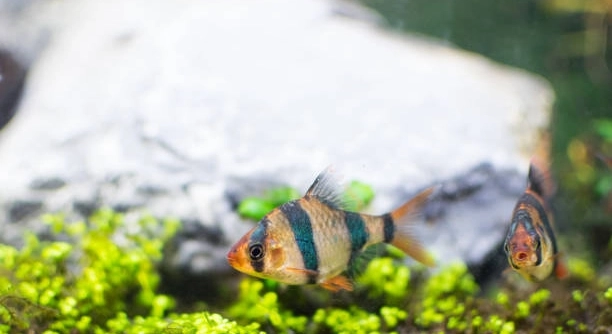
Tiger Barbs are popular aquarium fish known for their lively behavior and bright colors. Like any pet, they can show early signs of illness that owners should watch for. Recognizing these signs early helps protect their health and well-being.
The early signs of illness in Tiger Barbs include changes in swimming patterns, loss of appetite, faded coloration, clamped fins, rapid breathing, lethargy, and visible spots or lesions. These indicators are critical for timely diagnosis and treatment to prevent serious health issues.
Knowing these signs can help you keep your Tiger Barbs healthy and happy in their environment. Being attentive to small changes can make a big difference in their care.
Changes in Swimming Patterns
When Tiger Barbs begin to swim erratically, float near the surface, or hide excessively, it is often an early indication of illness. Healthy fish usually swim actively and explore their environment, so sudden changes in behavior should not be ignored. Erratic swimming can signal issues such as water quality problems, infections, or parasites. Sometimes, fish may struggle to maintain balance or swim upside down, which points to swim bladder disorders. Observing these signs early allows prompt intervention to correct the problem before it worsens. Maintaining clean water and stable tank conditions helps reduce stress that can cause abnormal swimming.
Noticing unusual swimming habits early helps you address underlying causes quickly and prevent the illness from advancing.
Regular observation of your Tiger Barbs’ swimming behavior ensures you catch problems early. Keeping the tank clean, maintaining appropriate temperature, and avoiding overcrowding all contribute to their comfort. If erratic swimming continues, testing water parameters and consulting a specialist is recommended to ensure proper diagnosis and treatment.
Loss of Appetite
A decrease or complete loss of appetite in Tiger Barbs is a significant warning sign. Fish that refuse food or eat less than usual may be suffering from stress, infection, or digestive issues. This behavior often appears before other symptoms and can lead to weakness if not addressed. Loss of appetite reduces energy and immune function, making the fish more vulnerable. It is essential to monitor feeding habits daily and provide high-quality food suitable for their dietary needs. Offering varied diets can sometimes stimulate appetite, but persistent refusal should prompt closer inspection of tank conditions and fish health.
When Tiger Barbs stop eating, it usually indicates an underlying health issue that requires immediate attention.
Careful attention to feeding patterns helps detect illness sooner. Check water quality for ammonia, nitrites, and nitrates, as poor conditions often cause appetite loss. Also, consider if new fish or plants introduced could stress them. If the condition persists, consulting a vet or experienced aquarist is advisable to identify infections or parasites. Early intervention can prevent serious complications and restore appetite.
Faded Coloration
Fading or dullness in a Tiger Barb’s vibrant colors often signals stress or illness. This change can occur gradually or suddenly, depending on the cause.
Color loss is commonly linked to poor water quality, inadequate diet, or internal parasites. When a fish’s environment is not optimal, its immune system weakens, causing color to fade. Stress from aggressive tank mates or overcrowding also contributes. Providing a balanced diet rich in nutrients and maintaining clean, stable water conditions supports natural coloration. If fading persists despite good care, it may be necessary to check for infections or disease that require treatment.
Bright colors are a sign of good health in Tiger Barbs. When colors fade, it is important to review water parameters, diet, and tank conditions immediately. Some diseases cause discoloration, so early detection helps in choosing the right treatment. Restoring vibrant color often means addressing the root cause, whether it is environmental or medical.
Clamped Fins
Clamped fins occur when a Tiger Barb holds its fins close to the body rather than spreading them out naturally. This behavior usually indicates discomfort or illness.
This symptom may appear due to water quality problems, bacterial infections, or parasite infestations. When the fish feels stressed or unwell, it tightens its fins to reduce movement and conserve energy. Clamped fins often accompany other signs like lethargy or loss of appetite. Improving water conditions by regular changes and testing is the first step in addressing this issue. If the condition does not improve, more specific treatments may be required based on diagnosis.
Noticing clamped fins early can help prevent more serious health problems. It is a clear visual cue that the fish is under stress or facing illness. Keeping the tank clean, maintaining proper temperature, and avoiding sudden environmental changes reduce the chances of fin clamping. Consistent monitoring is key to maintaining your Tiger Barb’s health.
Rapid Breathing
Rapid breathing in Tiger Barbs is a sign of stress or illness. It often indicates low oxygen levels or gill problems.
This symptom can result from poor water quality, high ammonia levels, or infections affecting the respiratory system. Immediate action is needed to improve tank conditions and water parameters.
Lethargy
Lethargy in Tiger Barbs shows as unusually low activity and spending long periods resting. It often points to illness or poor water conditions.
When fish become lethargic, they lose interest in food and interaction. This can be caused by infections, parasites, or environmental stressors like temperature fluctuations or overcrowding. Observing lethargy early helps prevent more severe health issues.
Visible Spots or Lesions
Visible spots or lesions on Tiger Barbs’ bodies often indicate infections or parasite infestations. These marks can be white, red, or discolored and may spread if untreated. Early detection allows for timely treatment and better chances of recovery.
What causes illness in Tiger Barbs?
Illness in Tiger Barbs can result from several factors, including poor water quality, inadequate diet, stress, parasites, and bacterial or fungal infections. Dirty or unbalanced water causes stress and weakens their immune system, making them more susceptible. Overcrowding and aggressive tank mates also increase stress. Providing a clean environment, proper nutrition, and compatible companions helps prevent many health issues.
How often should I check the water quality for my Tiger Barbs?
Water quality should be checked at least once a week, especially in tanks with many fish. Regular testing for ammonia, nitrites, nitrates, and pH ensures the environment remains safe. Small, frequent water changes also help maintain stable conditions. Sudden changes in water parameters can shock fish and lead to illness, so consistent monitoring is key.
Why are my Tiger Barbs losing color?
Loss of color often signals stress or poor health. It can happen due to poor water conditions, insufficient nutrition, or internal parasites. Stress from aggressive tank mates or overcrowding may also dull their appearance. Improving diet with nutrient-rich foods and maintaining clean, stable water often restores vibrant colors.
What should I do if my Tiger Barb shows clamped fins?
Clamped fins usually mean the fish is stressed or sick. First, check water parameters and improve water quality if needed. Look for other symptoms like spots or lethargy. If the condition continues, isolate the fish and consider using appropriate medication for infections or parasites. Reducing stressors like overcrowding helps recovery.
How can I tell if my Tiger Barb is breathing rapidly because of illness or environment?
Rapid breathing may be caused by low oxygen levels or gill infections. Test water oxygen and quality first. If water parameters are good, examine the fish for other signs like clamped fins or spots. Poor oxygen can be improved by aeration and water changes. Persistent rapid breathing needs professional advice to rule out disease.
Can diet affect my Tiger Barb’s health?
Yes, diet greatly impacts health. Feeding a balanced diet with quality flakes, pellets, and occasional live or frozen foods provides essential nutrients. Poor diet weakens the immune system and can cause color loss, reduced appetite, and slower growth. Variety and proper portion sizes help keep Tiger Barbs healthy.
How can I prevent common diseases in Tiger Barbs?
Preventing disease involves maintaining clean water, avoiding overcrowding, and providing a balanced diet. Quarantining new fish before adding them to the main tank reduces the risk of introducing infections. Regular observation helps catch early signs. Minimizing stress and maintaining stable tank conditions support strong immunity.
Is it normal for Tiger Barbs to hide frequently?
Occasional hiding is normal, especially when the fish is resting or feels threatened. However, constant hiding may indicate stress or illness. Poor water quality, aggressive tank mates, or illness can cause this behavior. If hiding increases, check the tank environment and fish health promptly.
What treatments are effective for visible spots or lesions?
Visible spots or lesions usually require medicated treatments targeting bacteria, fungi, or parasites. Salt baths and aquarium medications may help, depending on the cause. It is important to diagnose accurately before treatment. Keeping water clean and isolating affected fish speeds healing and prevents spread.
When should I consult a veterinarian or fish expert?
Consult a veterinarian or fish expert if symptoms persist despite good tank care, or if you notice severe signs like rapid decline, open wounds, or unusual behavior. Early professional help improves the chance of recovery and prevents disease spreading in the tank.
Monitoring the health of Tiger Barbs is important for their well-being and longevity. These fish can show subtle signs when something is wrong, and catching these signs early helps prevent serious problems. Paying attention to changes in behavior, appearance, and appetite gives clear clues about their condition. Maintaining a clean and stable tank environment is one of the most effective ways to support their health and reduce the risk of illness.
Water quality plays a central role in keeping Tiger Barbs healthy. Regular testing and water changes help avoid harmful levels of toxins like ammonia and nitrites. Stress caused by poor water conditions, overcrowding, or incompatible tank mates weakens their immune systems and makes them more vulnerable to disease. Providing a balanced diet with varied foods also strengthens their defenses. Taking simple preventive steps can reduce the chances of seeing early signs of illness such as clamped fins, faded coloration, or rapid breathing.
When illness does occur, prompt attention is necessary. Identifying symptoms early and adjusting care can often reverse health problems before they worsen. Isolating sick fish, treating infections properly, and improving tank conditions help the fish recover. Regular observation and knowledge of common signs improve the chances of timely intervention. By staying attentive and proactive, caring for Tiger Barbs can be rewarding and help keep these lively fish healthy for years to come.

Hello,
If you enjoy the content that we create, please consider saying a "Thank You!" by leaving a tip.
Every little bit helps us continue crafting quality advice that supports the health, happiness, and well-being of pets around the world, for pets of all shapes, sizes, and species.
We really appreciate the kindness and support that you show us!