
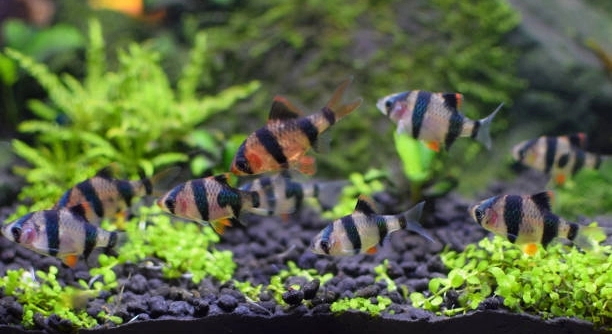
Barb fin nipping is a common issue among fishkeepers that can disrupt the harmony of an aquarium. This behavior can stress your fish and damage their delicate fins, affecting their health and appearance. Many aquarists seek quick, effective solutions to manage this problem.
The fastest way to stop barb fin nipping involves improving tank conditions, providing adequate space, and ensuring proper diet and social balance. Adjusting these factors reduces stress and aggression, which are the main causes of fin nipping in barbs.
Understanding these simple fixes will help maintain a peaceful environment for your fish and improve their overall well-being. Implementing the right steps can quickly restore balance in your aquarium.
Improve Tank Conditions
Maintaining clean water and stable parameters is essential for reducing barb fin nipping. Regular water changes help keep ammonia, nitrites, and nitrates at safe levels. Barbs are sensitive to poor water quality, which can increase stress and lead to aggressive behavior. Keeping the tank temperature steady and within the recommended range supports their health. Adequate filtration also ensures the water remains clear and oxygen-rich. Avoid overcrowding, as too many fish in a small space can increase tension. Adding plants or decorations gives barbs places to hide and reduces direct confrontations. Paying close attention to the tank environment creates a comfortable space that discourages fin nipping and supports peaceful interaction among fish.
Stable water quality and proper tank setup create a healthy environment that minimizes stress and aggression in barbs, helping to prevent fin damage.
Consistent care and maintenance of the tank environment are crucial. Barbs respond well to clean, well-filtered water and stable temperatures. Providing enough room and hiding spots lowers stress, reducing the chance of fin nipping. Adjusting these factors early can prevent ongoing problems and keep your fish healthier and more comfortable.
Provide Adequate Space
Ensuring your barbs have enough room to swim freely is key to preventing fin nipping. Overcrowded tanks increase competition for territory and resources, causing aggressive behavior. A larger tank reduces stress and allows barbs to establish their own spaces without conflict.
Barbs need space to move and avoid each other. Proper tank size keeps aggression low and fins intact.
If your tank is too small, barbs will likely nip fins out of frustration or competition. A minimum of 20 gallons is recommended for a small group of barbs, with additional space required for larger groups. Adding more room allows fish to establish territories and reduces chasing. When barbs feel less crowded, their behavior improves significantly. In cramped environments, stress levels rise, often causing fin nipping and injury. Expanding the tank or reducing the number of fish can quickly restore peace and improve the health of your aquatic pets.
Provide a Balanced Diet
A proper diet helps reduce aggression and fin nipping in barbs. Feeding high-quality food with enough nutrients keeps fish healthy and less likely to fight.
Barbs that receive a balanced diet are less prone to stress and aggression. Including a variety of foods like flakes, pellets, and occasional live or frozen treats ensures they get essential vitamins and minerals. Overfeeding or underfeeding can cause behavioral issues, so feeding the right amount is important. Healthy fish tend to be calmer and more social, which reduces the chance of fin nipping. Adjust feeding frequency based on the number of fish and their activity level to maintain good health.
A nutritious diet also supports fin healing if damage has already occurred. Foods rich in protein and vitamins help speed recovery and improve overall vitality. When barbs feel well-nourished, they focus less on aggressive behaviors and more on interacting peacefully within their environment.
Maintain Social Balance
Barbs are schooling fish and need to be kept in groups of at least six to maintain social balance. Smaller groups tend to show increased aggression and fin nipping.
Keeping a proper group size helps barbs establish a natural hierarchy and reduces stress. In a group of six or more, barbs spread out their interactions, preventing any one fish from becoming a target. Smaller groups cause tension, which often leads to chasing and fin damage. Grouping barbs correctly promotes natural behavior and calmer tank dynamics. Adding other compatible species can also help distribute attention and minimize aggression. Ensuring social balance is a simple but effective way to reduce fin nipping and support a healthier aquarium environment.
Add Plants and Hiding Spots
Providing plenty of plants and hiding places reduces stress among barbs. These areas allow fish to escape when feeling threatened or overwhelmed, which lowers aggression.
Plants also break up sightlines in the tank, preventing constant chasing and helping maintain peace. Creating a natural environment makes barbs feel secure and less likely to nip fins.
Use Tank Mates Carefully
Choosing compatible tank mates can reduce fin nipping in barbs. Avoid aggressive or overly territorial species that may provoke fights. Peaceful fish that occupy different tank levels help maintain balance and reduce tension.
Introducing calm species encourages a more stable social environment and minimizes aggression among barbs.
Regular Observation
Watching your barbs regularly helps catch fin nipping early. Noticing changes in behavior or damaged fins allows for quick adjustments to tank conditions or social settings.
Early intervention is key to preventing long-term harm and maintaining a healthy aquarium atmosphere.
FAQ
Why do barbs nip fins?
Barbs nip fins mainly due to stress, overcrowding, or competition for food and territory. When their environment feels cramped or unstable, they may become aggressive. In some cases, lack of proper nutrition or boredom can also trigger this behavior. It is important to address these factors to reduce fin nipping.
How can I tell if fin nipping is a problem?
Look for torn or ragged fins on your fish. Barbs may chase or nip repeatedly at other fish, causing visible damage. If you notice missing fin pieces or fish hiding more often, fin nipping is likely occurring. Early detection helps prevent infection and further injury.
Will fin nipping heal on its own?
Minor fin damage can heal if water quality is good and the fish is not stressed. However, continuous nipping will prevent healing and worsen the injury. Improving tank conditions and reducing aggression are necessary for fins to recover fully.
Can adding more barbs help reduce fin nipping?
Yes, increasing the group size to at least six barbs helps spread out aggression and reduces the chance of any one fish being targeted. Small groups tend to have more conflict, so a proper school size is essential for social balance.
Is it okay to separate aggressive fish?
Separating overly aggressive individuals can protect others from fin damage. Sometimes isolating a nipper temporarily helps calm the group. However, permanent removal may be needed if aggression continues despite other measures.
What foods reduce aggressive behavior in barbs?
Feeding a varied diet with high-quality flakes, pellets, and occasional live or frozen foods keeps barbs healthy and less aggressive. Protein-rich and vitamin-fortified foods improve overall health and reduce stress-related nipping.
Can tank decorations affect fin nipping?
Yes, decorations and plants create hiding spots and visual barriers, which help reduce stress and aggression. Breaking line of sight stops constant chasing and gives fish space to avoid conflict. Adding these elements is an effective way to calm barbs.
How often should I clean the tank to prevent fin nipping?
Regular water changes every one to two weeks help keep ammonia and nitrates low, reducing stress that triggers aggression. Clean water supports healing of damaged fins and keeps fish healthier overall.
Do barbs nip fins only during breeding?
While breeding can increase aggression, barbs may nip fins outside of breeding periods due to other causes like overcrowding or poor water quality. Consistent management of tank conditions is needed to control fin nipping year-round.
Is fin nipping harmful to fish?
Repeated fin nipping can lead to infections, slower swimming, and long-term damage. It weakens fish and affects their ability to feed and escape threats. Preventing fin nipping is important for maintaining fish health.
Can adding other fish species stop barbs from nipping fins?
Adding peaceful species that occupy different tank levels can reduce tension among barbs. However, incompatible or aggressive species may increase stress. Choosing compatible tank mates carefully is important to maintain harmony.
What is the best tank size to prevent fin nipping?
A minimum of 20 gallons is recommended for a small group of barbs. Larger tanks reduce crowding and allow barbs to establish territories, lowering aggression. More space equals less stress and fewer fin nipping incidents.
How long does it take for fins to heal after nipping stops?
Fins can start to heal within a week if water quality is good and fish are not stressed. Full recovery may take several weeks depending on the severity. Keeping the tank clean and stable supports faster healing.
Should I use medication for fin nipping injuries?
Medication may be necessary if fins become infected after nipping. Use antibacterial or antifungal treatments as needed, but only after improving tank conditions. Preventing fin nipping is the best way to avoid the need for medication.
Can fin nipping be completely stopped?
While fin nipping may never fully disappear, it can be greatly reduced by proper tank management. Providing space, social balance, clean water, and good nutrition minimizes aggressive behavior and fin damage over time.
Final Thoughts
Barb fin nipping can be frustrating, but it is a common behavior that often signals underlying issues in the aquarium. By focusing on improving tank conditions, providing enough space, and maintaining social balance, it is possible to greatly reduce this problem. Clean water and stable parameters are key to keeping barbs healthy and less stressed, which lowers aggression. Overcrowding and poor water quality create an environment where barbs are more likely to nip fins, so consistent care is necessary to prevent ongoing damage.
Providing a balanced diet also plays an important role in reducing fin nipping. When barbs receive the right nutrients, they tend to be calmer and less aggressive. Variety in their food helps keep them interested and healthy. At the same time, adding plants and hiding spots can make the tank feel safer for the fish. These additions give barbs places to retreat when needed, breaking up the line of sight and preventing constant chasing or bullying. Attention to tank mates is another important factor. Choosing compatible species that coexist peacefully with barbs supports a calm tank atmosphere.
It is important to regularly observe your fish and their environment to catch signs of fin nipping early. Damage to fins can heal if the causes are addressed quickly, but continued aggression will worsen the problem. Making changes to the tank setup, group size, or diet can have a significant positive impact. Though fin nipping might never disappear completely, taking the right steps improves fish health and comfort. Creating a balanced and well-maintained aquarium encourages peaceful behavior and helps your barbs thrive.

Hello,
If you enjoy the content that we create, please consider saying a "Thank You!" by leaving a tip.
Every little bit helps us continue crafting quality advice that supports the health, happiness, and well-being of pets around the world, for pets of all shapes, sizes, and species.
We really appreciate the kindness and support that you show us!