
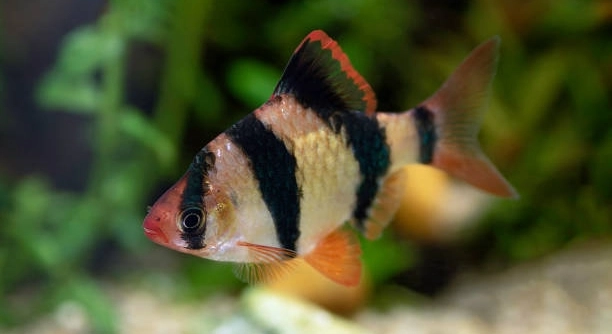
Tiger barbs are lively fish that add color and movement to home aquariums. These small, striped fish are known for their social behavior and energetic swimming patterns. Many aquarium enthusiasts enjoy keeping them for their unique personality.
Tiger barbs establish clear territorial zones in community tanks. They claim specific areas based on factors such as tank size, population density, and availability of hiding spots. These zones help reduce conflicts and promote balanced group dynamics among the fish.
Knowing how tiger barbs claim their space helps create a healthier environment. This article explains their territorial habits and offers tips to manage their tank zones effectively.
Understanding Tiger Barbs’ Territorial Behavior
Tiger barbs naturally establish territories within the tank to reduce stress and competition. Their territorial zones are influenced by tank size, the number of fish, and available hiding spaces like plants or decorations. In smaller tanks, territories tend to be smaller, leading to more frequent interactions. When the tank is crowded, tiger barbs may become more aggressive as they compete for limited space and resources. Properly arranged tank elements help provide clear boundaries, allowing fish to feel secure. These zones also affect their social behavior, as they often swim in groups but maintain individual spaces. Observing these patterns helps in managing their environment and reducing aggressive incidents. Ensuring each fish has enough room within its zone keeps the group balanced and peaceful. Overcrowding can lead to heightened aggression and health problems, so maintaining appropriate tank conditions is essential for their well-being.
Their territorial nature makes careful tank planning crucial for harmony.
Providing sufficient space and hiding spots creates a peaceful setting for tiger barbs to thrive.
Managing Tank Zones for Tiger Barbs
Proper tank management starts with understanding the space needs of tiger barbs. In tanks less than 30 gallons, keeping a larger group helps spread out aggression, but overcrowding must be avoided. Decorations like caves and plants can break line of sight, which limits territorial disputes. Regular monitoring of fish behavior allows early detection of stress or bullying. Feeding multiple areas reduces competition during meal times. Water quality is also important, as poor conditions can increase aggression. When introducing tiger barbs to a new tank, adding all fish simultaneously helps establish territories without giving advantage to any single fish. Tank mates should be chosen carefully to avoid provoking aggression. Peaceful but active species work best with tiger barbs, preventing territorial conflicts and ensuring balanced interactions.
Maintaining the tank requires attention to space, decor, and fish behavior to support healthy social zones. Consistent care and observation lead to a stable environment that meets the needs of tiger barbs and their companions.
Signs of Territorial Disputes Among Tiger Barbs
Territorial disputes among tiger barbs often show through chasing, fin nipping, and frequent aggressive displays. These behaviors indicate competition for space or dominance within the tank. Left unchecked, they can cause stress and injury.
Aggressive behavior typically occurs when the tank is overcrowded or lacks sufficient hiding spots. Dominant fish chase others away from favored areas, leading to constant stress in the group. Fin nipping happens mostly when a fish feels threatened or crowded, and it targets slower or weaker fish. Frequent fights disrupt the social balance and may result in health problems due to injuries or stress. Monitoring these signs early helps prevent worsening conflicts and keeps the tank environment safer for all fish.
Maintaining enough space, adding decor for hiding, and controlling the number of tiger barbs reduce territorial disputes. These steps help preserve peace and promote healthy behavior.
Benefits of Recognizing Territorial Zones Early
Recognizing territorial zones early allows for better tank management and improved fish welfare. It helps identify potential conflicts before they escalate, preventing injuries and stress.
Early detection of territorial boundaries enables targeted adjustments, such as rearranging tank decorations or modifying fish groups. When fish have clearly defined spaces, aggression reduces, and social interactions become more stable. This leads to better feeding habits and less competition. Knowing territorial preferences also helps when introducing new fish, as it guides placement to avoid disruption. Understanding these zones improves overall tank harmony and supports the natural behavior of tiger barbs, promoting a healthier and more balanced aquatic environment. Consistent observation and timely intervention are key to maintaining this balance over time.
Creating Boundaries in the Tank
Physical barriers help tiger barbs respect each other’s space. Rocks, plants, and decorations divide the tank into distinct zones. This reduces constant chasing and aggression.
Clear boundaries give shy fish places to retreat. It also encourages natural swimming patterns without stress or overcrowding.
Feeding Habits and Territory
Feeding locations influence territorial behavior. Placing food in multiple spots minimizes competition and helps reduce conflicts. When food is scarce or only offered in one area, aggressive chasing increases. Distributing food encourages peaceful sharing and balanced interactions.
Tank Size Importance
A larger tank provides more space for tiger barbs to establish separate zones, lowering aggression and improving overall health.
Choosing Compatible Tank Mates
Selecting calm, active species that don’t compete for the same territory reduces stress in tiger barb communities.
FAQ
How many tiger barbs should be kept together to reduce territorial aggression?
Keeping at least six tiger barbs in a tank helps spread out aggression and reduces bullying. A group this size creates a social dynamic where no single fish dominates. Smaller groups tend to increase fighting as fish compete for dominance and territory. Larger groups allow fish to focus less on individual rivalries and more on schooling behavior, which promotes harmony. However, avoid overcrowding to prevent stress and poor water quality. Maintaining a balance between group size and tank capacity is essential for peaceful coexistence.
What tank size is ideal for tiger barbs to establish healthy territories?
A minimum tank size of 30 gallons is recommended for a group of six or more tiger barbs. Larger tanks provide enough space for individual fish to claim their own zones, reducing stress and aggression. The additional room allows for varied hiding spots and decorations, which further break up territorial boundaries. Tanks smaller than 30 gallons often lead to cramped conditions, which increase competition and aggressive behavior. When space is limited, careful monitoring and tank adjustments are needed to maintain peace.
Can tank decorations really help reduce aggression?
Yes, decorations such as plants, rocks, and caves create physical boundaries that help tiger barbs establish separate zones. These barriers limit direct line of sight and reduce constant chasing. Hiding spots also provide refuge for more timid fish, lowering stress levels. Varied tank layout mimics natural environments and encourages natural behavior. Without these structures, territorial disputes are more frequent as fish have no place to retreat or claim as their own. Changing decoration placement regularly can also help reset territorial boundaries.
What signs indicate that territorial aggression is becoming a problem?
Frequent chasing, fin nipping, and visible injuries are key signs of escalating territorial aggression. Fish may hide more or become lethargic due to stress. Aggressive displays like flared fins and head butting happen repeatedly. These behaviors disrupt feeding and social balance, leading to health issues. If aggression continues unchecked, it can cause severe harm or death. Early intervention is important to prevent these problems and maintain a peaceful tank environment.
How can feeding routines affect territorial behavior?
Feeding in multiple locations reduces competition and aggressive chasing during meal times. When food is offered in only one spot, dominant fish guard it aggressively, pushing others away. Spreading food encourages peaceful sharing and keeps all fish well-fed. Feeding should be consistent and avoid overfeeding, as leftover food can degrade water quality and stress the fish. Balanced feeding supports stable social dynamics and reduces conflicts linked to food scarcity.
Are tiger barbs compatible with other fish species?
Tiger barbs do best with active, fast-swimming species that do not compete aggressively for territory. Peaceful species that occupy different tank levels help reduce territorial disputes. Avoid slow-moving or long-finned fish, which may become targets of fin nipping. Examples of compatible tank mates include danios, barbs, and some rasboras. Proper tank size and decorations are also important when mixing species to create separate zones for all inhabitants.
What steps can be taken if aggression persists despite proper tank setup?
If aggression continues, consider increasing tank size or rearranging decorations to disrupt established territories. Adding more hiding spots can help timid fish escape. Removing the most aggressive individuals may be necessary in some cases. Monitoring water quality and ensuring balanced feeding also supports calmer behavior. In extreme cases, separating fish into different tanks might be the best solution to ensure health and safety.
How important is water quality in managing territorial behavior?
Good water quality reduces stress, which can lower aggression among tiger barbs. Poor water conditions cause discomfort, weakening fish and increasing irritability. Regular water changes, proper filtration, and testing for ammonia and nitrates are essential. A stable environment helps fish maintain healthy behavior patterns and reduces the chance of territorial disputes escalating. Clean water supports overall fish health and longevity.
Can territorial behavior change as tiger barbs mature?
Yes, territorial behavior can intensify as tiger barbs grow older. Juveniles may be more playful, but adults establish clearer zones and hierarchy. Aggression can increase during breeding or when tank conditions change. Understanding that behavior evolves over time helps in adjusting tank management to meet their needs. Early establishment of territories with proper setup can reduce future conflicts.
Is it necessary to rearrange the tank periodically to manage territories?
Occasional rearrangement of tank decor can help disrupt established territories and reduce aggression. Changing plants, rocks, or hiding places forces fish to reestablish zones, which can lower long-term conflicts. However, frequent changes may stress fish, so it should be done carefully and infrequently. Observing how fish respond to changes guides when adjustments are needed. This method supports a balanced and peaceful environment over time.
Final Thoughts
Managing tiger barbs in a community tank requires understanding their natural behavior and territorial needs. These fish are lively and social but also establish clear zones to reduce conflict. Providing enough space and thoughtful tank decorations helps create boundaries where each fish can feel secure. When the environment supports their instincts, aggression decreases, and the group stays healthier. It is important to remember that tiger barbs need a balance of social interaction and personal space to thrive.
Watching how your tiger barbs interact gives valuable insight into their comfort levels. Signs of stress or aggression, like chasing or fin nipping, show when adjustments are needed. Sometimes small changes in tank layout or feeding routines can make a big difference. It’s also vital to maintain clean water and proper tank conditions, as poor health often leads to increased territorial disputes. Keeping a regular schedule for care and observation helps prevent problems before they escalate.
Creating a peaceful environment for tiger barbs is achievable with patience and attention. A well-planned tank encourages natural behavior and reduces stress for all fish. By respecting their territorial nature and making smart choices in tank size, decoration, and companions, it’s possible to enjoy the colorful activity of tiger barbs without constant conflict. Taking time to understand these fish leads to a more balanced and pleasant aquarium experience.

Hello,
If you enjoy the content that we create, please consider saying a "Thank You!" by leaving a tip.
Every little bit helps us continue crafting quality advice that supports the health, happiness, and well-being of pets around the world, for pets of all shapes, sizes, and species.
We really appreciate the kindness and support that you show us!