
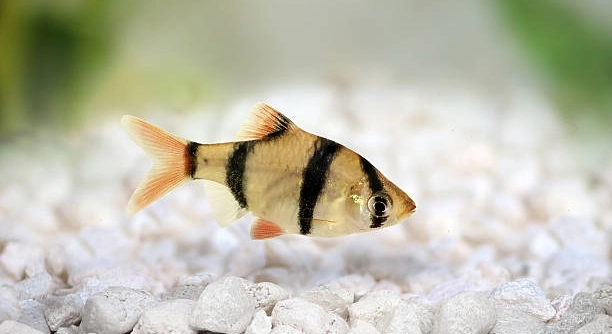
Tiger barbs are popular aquarium fish known for their vibrant colors and active behavior. Many fishkeepers notice their reflections in tank glass or decorations and wonder how these fish might respond. Understanding their reaction helps create a better environment for them.
Tiger barbs often react to their reflections by displaying territorial or aggressive behavior. They may mistake the reflection for another fish, leading to flaring fins or chasing motions. This response is common in environments where they see their image clearly.
Knowing how tiger barbs respond to reflections can help you manage their tank setup and reduce stress, ensuring a calmer and healthier fish community overall.
Why Tiger Barbs React to Reflections
Tiger barbs are naturally territorial fish. When they see their reflection in the glass or shiny surfaces, they often believe it is another fish invading their space. This causes them to act defensively, showing aggressive behaviors like chasing or fin flaring. Such reactions help them establish dominance and protect their area in the tank. The clearer and closer the reflection, the stronger their response may be. In tanks with a lot of glass or bright lighting, this behavior can be more noticeable. Understanding this natural instinct helps explain why they may seem restless or stressed when faced with reflections. It’s important to consider this when designing the aquarium, as too many reflections could increase tension among fish.
Their reactions are mostly instinctual and not aimed at harming themselves, but it can increase their stress levels over time.
Adjusting the tank environment to reduce reflections can create a calmer space for tiger barbs to thrive without unnecessary stress.
Managing Reflections in Your Aquarium
Limiting reflections in the tank can reduce aggressive behavior in tiger barbs. Use plants, background covers, or tank decorations to break up reflective surfaces.
Reducing bright lighting or repositioning the tank away from direct light sources also helps limit reflections. By minimizing these triggers, the fish are less likely to respond aggressively to their own image.
Reflections may cause stress, but the right setup can lower their frequency and intensity. Some fishkeepers use matte backgrounds or place dark paper behind the tank glass to cut down reflections. Additionally, introducing other fish species that can distract tiger barbs might lessen their focus on reflections. Observing your fish after making changes will show how effective these adjustments are. A well-planned aquarium environment improves the overall well-being of your tiger barbs and creates a peaceful display.
How Reflections Affect Tiger Barb Behavior
Reflections often cause tiger barbs to behave more aggressively than usual. They may chase or nip at their reflection, believing it is a rival fish. This behavior can increase stress and disrupt their social balance in the tank.
This aggressive response is a natural defense mechanism. Tiger barbs see their reflection as a competitor for territory or food. When they react by chasing or displaying, it helps them feel they are protecting their space. However, constant exposure to reflections can exhaust them mentally and physically. Over time, stress from this behavior might lead to weaker immune systems or injury from constant chasing.
While some aggression is normal, excessive reflection-induced behavior may harm the fish or cause tension with tank mates. Recognizing these signs allows owners to make changes to the tank environment that promote a healthier balance and calmer behavior.
Preventing Stress from Reflections
Controlling reflections can reduce stress levels in tiger barbs. Covering reflective surfaces or using dim lighting helps prevent constant exposure to their own image.
Using natural decorations like plants or driftwood also breaks up reflections inside the tank. This makes it harder for fish to see clear images of themselves, lowering aggressive responses. A dark or non-reflective background can limit reflections from the back or sides of the aquarium. Adjusting light placement to avoid glare on the glass further minimizes reflections. Creating a tank environment with fewer visual triggers improves overall fish well-being. These steps help tiger barbs feel secure and less threatened by their reflections.
Signs Your Tiger Barbs Are Reacting to Reflections
Tiger barbs may suddenly chase their own image or flare fins aggressively near the tank glass. This behavior often appears more intense during certain times of day.
They might also nip at the glass or show restless swimming when they catch their reflection. These signs indicate the fish are perceiving a threat from their mirror image.
Adjusting Lighting to Minimize Reflection
Lowering the intensity of aquarium lighting reduces glare and reflections on the tank walls. Using soft, indirect light creates a calmer environment for tiger barbs.
Bright overhead lights or sunlight can cause sharp reflections that trigger aggressive reactions. Adjusting light sources or adding floating plants to diffuse light helps prevent this. Managing lighting carefully keeps reflections at bay and supports peaceful fish behavior.
Using Plants to Reduce Reflections
Adding live or artificial plants creates natural barriers that disrupt reflections. Plants absorb light and reduce shiny surfaces that cause fish to react.
A dense arrangement near the tank glass helps block direct reflections and gives tiger barbs places to hide and feel secure. This simple method can greatly improve their comfort in the aquarium.
FAQ
Do tiger barbs always react aggressively to reflections?
Not all tiger barbs react aggressively to their reflections. Some may ignore the image completely, while others display mild curiosity. Aggression usually depends on the individual fish’s temperament, tank size, and how clear the reflection is. If the tank setup reduces reflections, aggressive responses tend to lessen.
Can reflections cause harm to tiger barbs?
Reflections themselves don’t physically harm tiger barbs, but the behavior caused by seeing their image can increase stress. Constant chasing or flaring wastes energy and may lead to injury if they repeatedly bump into the glass. Over time, this stress can weaken their immune system, making them more vulnerable to illness.
How can I tell if my tiger barbs are stressed because of reflections?
Signs of stress include erratic swimming, loss of appetite, faded colors, and constant aggression near reflective surfaces. If your fish act nervous or chase reflections repeatedly, it may indicate stress caused by their environment. Monitoring behavior regularly helps catch problems early.
Will tank size affect how tiger barbs react to reflections?
Yes, smaller tanks with closer glass walls usually produce stronger reflections, which can trigger more aggressive reactions. Larger tanks with more space give fish room to avoid reflections. Providing plenty of swimming space helps reduce the chance of stress and aggression related to reflections.
Are there specific tank decorations that help reduce reflection issues?
Natural decorations like plants, driftwood, and rocks can break up reflections by disrupting the flat glass surfaces. Backgrounds that are dark or matte also reduce reflections. Avoid placing shiny objects near the tank glass, as they can increase the number of visible reflections and upset the fish.
Can reflections cause aggression between tiger barbs and other tank mates?
Reflections can increase aggression if tiger barbs mistake their image for a rival, which may make them more territorial. This heightened aggression might spill over onto other fish, especially if tank mates are smaller or less aggressive. Proper tank management reduces these risks.
Is it possible to train tiger barbs not to react to reflections?
Tiger barbs rely on instinct rather than training, so it’s unlikely they will stop reacting on their own. However, reducing reflections and providing plenty of enrichment can lower their response. Consistent tank conditions and environmental control work better than attempting to change natural behavior.
Do tiger barbs recognize themselves in mirrors or reflections?
No, tiger barbs do not have the ability to recognize themselves in reflections. Their reaction is instinctual, interpreting the image as another fish. This leads to defensive or territorial responses rather than self-awareness.
How often should I check my tank setup to prevent reflection issues?
Regular checks, at least weekly, help catch changes that increase reflections, such as lighting shifts or moved decorations. Adjustments might be needed seasonally if sunlight angles change. Keeping an eye on tank conditions supports healthier fish behavior.
Are there any specific lighting types better for reducing reflections?
LED lights with adjustable brightness and color temperature tend to produce less glare and reflection than harsh fluorescent bulbs. Using softer lighting or diffusers also helps. Avoiding direct sunlight on the tank glass is important for minimizing reflections that stress tiger barbs.
Tiger barbs reacting to their reflections is a natural behavior rooted in their instinct to protect territory and establish dominance. When they see their own image, they often mistake it for another fish, which can cause them to become aggressive or restless. This reaction, while common, can lead to increased stress if the reflections are frequent or intense. Recognizing this behavior is important for anyone keeping tiger barbs, as it helps explain why the fish might appear more active or agitated at certain times.
Managing the environment to reduce reflections can make a significant difference in the fish’s well-being. Simple changes like adjusting lighting, using plants or decorations to break up reflective surfaces, and choosing non-reflective tank backgrounds can lower the chance that tiger barbs will react aggressively. Providing enough space and a well-planned tank setup helps create a more peaceful habitat. These steps are practical and straightforward ways to improve the daily life of tiger barbs in captivity, reducing unnecessary stress caused by reflections.
Understanding how tiger barbs respond to reflections also benefits the overall health of the aquarium. Stressed fish are more prone to illness, and aggressive behavior can cause injury or disrupt harmony among tank mates. By minimizing reflections and maintaining a balanced environment, owners support not only the physical health of tiger barbs but also their natural behavior in a calmer, less threatening space. These efforts contribute to a more enjoyable and rewarding fishkeeping experience.

Hello,
If you enjoy the content that we create, please consider saying a "Thank You!" by leaving a tip.
Every little bit helps us continue crafting quality advice that supports the health, happiness, and well-being of pets around the world, for pets of all shapes, sizes, and species.
We really appreciate the kindness and support that you show us!