
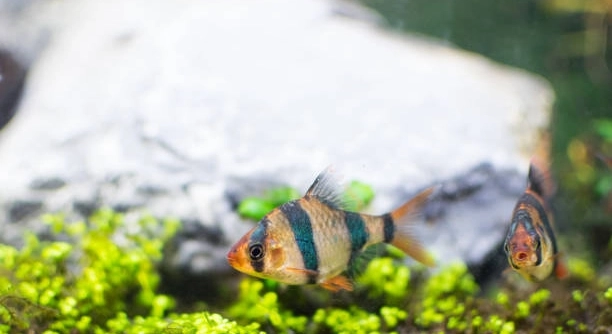
Many people enjoy keeping tiger barbs as colorful additions to their home aquariums. These small, active fish bring life to tanks of all sizes. However, concerns sometimes arise about whether they feel comfortable in limited spaces.
Tiger barbs can experience stress and discomfort when kept in tanks that are too small. Restricted space limits their natural swimming behavior and social interactions, which can negatively impact their health and overall well-being. Providing adequate room is essential for their proper care.
Understanding how tank size affects tiger barbs helps ensure they stay healthy and happy. Knowing their needs supports better choices for aquarium setups.
How Tank Size Affects Tiger Barbs
Tiger barbs are active swimmers that need enough space to move freely. In a small tank, their swimming patterns get limited, which can cause stress. When they can’t swim as much as they want, they may become aggressive or restless. A cramped environment also affects how they interact with other fish. Tiger barbs are social, so they need room to establish territories and avoid constant fighting. Additionally, small tanks are harder to maintain stable water quality. Waste builds up faster, which can harm the fish’s health. It’s important to consider the minimum tank size, which experts recommend to be at least 20 gallons for a small group. This size helps mimic their natural environment and keeps them happier. Proper space also allows room for decorations and hiding spots, which reduce stress and support natural behaviors.
Keeping a tank too small can cause poor health and shorten the lifespan of tiger barbs.
Giving tiger barbs enough space ensures they swim comfortably and interact naturally. When the tank is large enough, you notice calmer behavior and brighter colors. Fish in roomy tanks tend to be healthier and less prone to disease. Space also helps maintain better water conditions since the waste is diluted, making cleaning easier. Tank size affects not just the fish’s physical health but their mental well-being too. When space is tight, aggression rises because the fish feel trapped. In a proper tank, they establish social order without excessive fighting. Adding plants and hiding places further improves their environment, making them feel safe and reducing stress. Overall, providing an appropriate tank size is one of the most important steps in caring for tiger barbs.
Signs Tiger Barbs Feel Confined
Stress and unusual behavior are common signs that tiger barbs feel confined. When they swim frantically or hide too often, it may mean the tank is too small. Constant chasing or biting among tank mates also indicates tension. Some fish may lose their vibrant color, appearing dull and weak.
Stress signs can affect health, so early attention is important.
Noticing these behaviors early helps prevent serious health issues. A confined fish might develop weakened immune systems, making them more vulnerable to illness. Changes in appetite and lethargy also show discomfort. Sometimes, confined fish may jump out of the tank trying to escape the tight space. Recognizing these signs helps you act fast. Increasing tank size or improving the environment can reduce stress. Adding plants and hiding spots can create a feeling of safety. Monitoring water quality is crucial as poor conditions worsen stress. Taking these steps improves the quality of life for tiger barbs and supports their natural habits. It’s always better to provide more room than less, ensuring they thrive in their home.
Ideal Tank Setup for Tiger Barbs
Tiger barbs need enough space to swim and explore. A 20-gallon tank is usually the minimum size recommended for a small group. This size helps reduce aggression and allows them to thrive.
The tank should have plenty of hiding spots like plants, rocks, or decorations. These provide places for shy fish to retreat and reduce stress. Open swimming areas let tiger barbs move actively, which keeps them healthy. Good water filtration is also important to maintain cleanliness and proper oxygen levels. Regular water changes help keep the environment stable. The temperature should stay between 74 and 79 degrees Fahrenheit, with a pH around 6.5 to 7.0. This setup mimics their natural habitat and promotes well-being.
Lighting should be moderate, not too bright, to avoid stressing the fish. Avoid overcrowding the tank, as tiger barbs are social but need enough room to avoid constant fighting. Monitoring water quality and behavior regularly ensures they remain comfortable and healthy.
Common Mistakes When Keeping Tiger Barbs
Many people keep tiger barbs in tanks that are too small, causing stress and aggression. Overcrowding is another common issue, leading to fights and health problems. Neglecting water quality also harms these fish.
Ignoring the social needs of tiger barbs can result in poor behavior. They should be kept in groups of at least six to spread out aggression and allow natural social dynamics. Adding incompatible tank mates, such as slow or long-finned fish, increases stress and injury risks. Skipping regular water changes lets toxins build up, weakening the fish. Lastly, not providing hiding places makes the tank stressful and unsafe. Correcting these mistakes improves the fish’s happiness and lifespan significantly.
How to Reduce Stress in Tiger Barbs
Providing plenty of swimming space is key to reducing stress in tiger barbs. Adding plants and hiding spots helps them feel safe and less aggressive.
Maintaining good water quality is essential. Regular water changes and proper filtration keep the environment healthy and stress-free for your fish.
Benefits of a Properly Sized Tank
A tank with enough space supports natural behaviors like schooling and exploring. Tiger barbs show brighter colors and more active swimming when they are comfortable. Proper space lowers aggression and helps maintain a stable social hierarchy. Fish in larger tanks tend to live longer and have better overall health. These benefits make a noticeable difference in how enjoyable and rewarding it is to keep tiger barbs.
Signs of a Healthy Tiger Barb
Healthy tiger barbs swim actively, eat well, and show vibrant colors. They interact peacefully with tank mates and display normal social behavior.
FAQ
Can tiger barbs live in a 10-gallon tank?
A 10-gallon tank is generally too small for tiger barbs. These fish are active swimmers and social, so they need space to move and interact. Keeping them in a 10-gallon tank often leads to stress, aggression, and poor health. Experts recommend at least a 20-gallon tank for a small group to ensure they have enough room to thrive.
How many tiger barbs should be kept together?
Tiger barbs are schooling fish and do best in groups of six or more. Keeping them in smaller groups can cause aggression and stress because they don’t have enough companions to balance their social behavior. A larger group spreads out aggression and promotes natural social interactions.
What happens if tiger barbs are kept in too small a tank?
When confined to a small tank, tiger barbs may become aggressive, restless, and stressed. Limited space restricts their swimming and social behavior, which can cause injuries and illness. Small tanks also have unstable water conditions, increasing the risk of poor health and shorter lifespans.
Do tiger barbs need hiding places in the tank?
Yes, hiding places are important for tiger barbs. Plants, rocks, and decorations provide shelter where they can retreat when feeling stressed or threatened. This reduces aggression and helps maintain a calmer environment, especially in smaller or more crowded tanks.
Can tiger barbs live with other fish?
Tiger barbs can live with other fish, but it’s important to choose tank mates carefully. Avoid slow-moving or long-finned fish, as tiger barbs may nip at them. Good companions include other active, similarly sized fish that can handle the tiger barbs’ playful but sometimes aggressive nature.
How often should I clean a tank with tiger barbs?
Regular cleaning is necessary to keep the tank healthy. A partial water change of 20-30% weekly helps maintain water quality by removing waste and toxins. Over-cleaning or full water changes can stress the fish, so balance is key.
What water conditions do tiger barbs prefer?
Tiger barbs thrive in water temperatures between 74°F and 79°F, with a pH level around 6.5 to 7.0. Stable water parameters reduce stress and keep their immune systems strong. Using a reliable heater and testing water regularly helps maintain these conditions.
Why do tiger barbs sometimes nip at other fish?
Nipping is a natural behavior, especially if they feel cramped or stressed. It can also occur if there are fewer than six tiger barbs in the tank. Providing enough space and keeping a proper group size reduces nipping by distributing their energy and aggression more evenly.
Is it okay to keep just one tiger barb?
It is not recommended to keep a single tiger barb alone. These fish are social and rely on interaction with others to feel secure. A lone tiger barb often becomes stressed, aggressive, or lethargic.
How can I tell if my tiger barbs are stressed?
Signs of stress include frantic swimming, hiding too much, loss of color, aggression, and poor appetite. Watching their behavior closely can help you catch stress early and improve their environment before health problems develop.
What should I do if my tiger barbs show signs of illness?
If you notice symptoms like clamped fins, white spots, or unusual lethargy, test water quality immediately. Poor water is a common cause of illness. Treating the tank with appropriate medications and improving water conditions can help fish recover. Quarantining sick fish prevents spreading disease.
Can tiger barbs adapt to smaller tanks over time?
Tiger barbs may survive in smaller tanks but do not truly adapt in a healthy way. Their stress and aggression tend to increase, affecting lifespan and well-being. Providing a larger tank is always the better option for long-term health.
How important is tank maintenance for tiger barbs?
Tank maintenance is vital. Regular cleaning, water testing, and monitoring fish behavior keep tiger barbs healthy. Neglecting maintenance leads to poor water quality, stress, and disease. A consistent care routine helps your fish thrive and enjoy a longer life.
Do tiger barbs need special food?
Tiger barbs are not picky eaters. They do well on a varied diet including flakes, pellets, frozen, and live foods. Offering a mix ensures balanced nutrition and bright colors. Feeding small amounts twice a day prevents overfeeding and water pollution.
Can tiger barbs jump out of the tank?
Yes, tiger barbs can jump, especially if stressed or startled. It’s important to use a secure lid to prevent accidents. Keeping the tank environment stable and comfortable reduces their desire to jump.
How fast do tiger barbs grow?
Tiger barbs grow relatively quickly, reaching about 2-3 inches within their first year. Providing good nutrition and proper tank conditions supports healthy growth without stunting.
What are common health problems in tiger barbs?
Common issues include fin rot, ich, and bacterial infections, often linked to poor water quality or stress. Early detection and treatment with proper medication help prevent serious problems.
Is it necessary to cycle a new tank before adding tiger barbs?
Yes, cycling the tank establishes beneficial bacteria that break down toxins. Introducing tiger barbs into an uncycled tank can expose them to harmful ammonia and nitrite levels, causing stress and illness.
How can I encourage peaceful behavior among tiger barbs?
Keeping a group of six or more, providing ample space, hiding spots, and maintaining good water quality encourages peaceful interactions. Avoid overcrowding and incompatible tank mates.
Can tiger barbs live with shrimp or snails?
Tiger barbs may see shrimp as food and nip at snails. If you want to keep them together, choose larger, hardy snails and shrimp species that can hide well. Monitor closely for any signs of aggression.
What is the lifespan of tiger barbs in captivity?
With proper care, tiger barbs live about 5 to 7 years. Good tank conditions, diet, and social environment all contribute to a longer, healthier life.
Tiger barbs are lively and beautiful fish that many enjoy keeping in home aquariums. Giving them enough space is very important for their health and happiness. When they have a proper-sized tank, usually at least 20 gallons, they can swim freely and show natural behaviors. Small tanks limit their movement and cause stress, which can lead to aggression and health problems. It is important to think about their needs before deciding on tank size.
Keeping tiger barbs in a well-maintained environment helps them live longer and healthier lives. Along with space, clean water, proper temperature, and good nutrition are key factors in their care. Providing hiding places and choosing compatible tank mates can reduce fighting and stress. Watching for signs of discomfort, such as dull colors or unusual behavior, helps catch problems early. Taking care of these details can make a big difference in how well the fish thrive.
Overall, tiger barbs need a balanced environment to do well. They are social and active, so giving them enough room and proper care helps them stay healthy and calm. While small tanks might seem easier, they often cause more harm than good. Choosing the right tank size and keeping good tank conditions will make sure your tiger barbs enjoy their home and grow strong over time. This simple attention to their needs can turn fishkeeping into a more rewarding experience.

Hello,
If you enjoy the content that we create, please consider saying a "Thank You!" by leaving a tip.
Every little bit helps us continue crafting quality advice that supports the health, happiness, and well-being of pets around the world, for pets of all shapes, sizes, and species.
We really appreciate the kindness and support that you show us!