
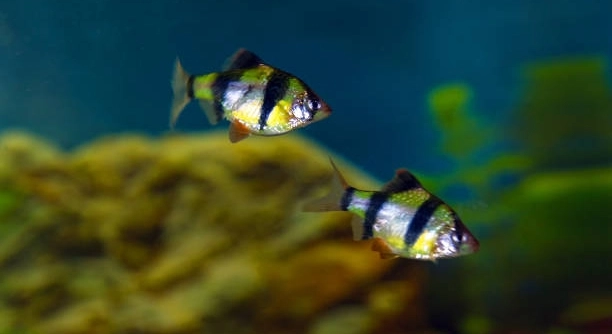
Tiger barbs are lively fish often admired for their bright colors and active behavior in home aquariums. After feeding, their actions can sometimes change, surprising many fish owners. Understanding these behaviors helps maintain a healthy tank environment.
Tiger barbs often act out after feeding due to factors such as competition for food, increased energy levels, territorial instincts, and stress responses. These behaviors can be linked to their natural habits and environmental conditions in captivity.
Recognizing these reasons can help you create a better habitat for your fish and reduce unwanted aggression after meals. Keeping your tiger barbs calm and healthy is easier with the right knowledge.
Competition for Food
Tiger barbs are naturally competitive when it comes to feeding time. In the wild, food is not always plentiful, so they have developed behaviors to make sure they get their share. In home aquariums, this competitive streak can lead to chasing and nipping at tank mates right after feeding. This behavior isn’t meant to harm but is a way to assert dominance and secure food. It’s important to provide enough food spread evenly across the tank so all fish get a fair chance. Feeding smaller amounts more frequently can also reduce the intensity of their competition. When the fish feel less pressure to compete, their post-feeding behavior tends to be calmer.
Providing a well-balanced diet and maintaining a clean tank can lower stress and aggressive food competition.
Managing feeding routines helps create a peaceful environment where tiger barbs do not feel the need to compete aggressively for food.
Increased Energy Levels
Tiger barbs become more active after eating because they have more energy. When food enters their system, it fuels their swimming and social behaviors. This sudden boost in energy can make them swim faster, dart around, and sometimes bump into other fish. This is a normal response and shows that their metabolism is working well. However, if the tank is small or overcrowded, this extra activity can lead to stress or injury. It’s a good idea to give your tiger barbs enough space to move freely after feeding. Monitoring their activity levels can help you spot if the energy is leading to harmful behavior or just regular playfulness. Adjusting the feeding amount and tank setup can balance their energy and keep the tank peaceful.
Territorial Instincts
Tiger barbs often act out after feeding because they are protecting their space. This territorial behavior is natural and helps them feel secure in their environment. They may chase or nip at other fish to keep others away from their feeding area.
Territorial instincts become stronger when the tank is crowded or lacks hiding spots. When fish feel their space is threatened, they become more aggressive, especially after eating when they are alert. Creating plenty of hiding places and keeping the tank population balanced helps reduce this behavior. Fish that feel safe and have enough room usually show less aggression after feeding.
Setting up the tank to support natural boundaries can calm territorial disputes. Decorations, plants, and proper tank size give tiger barbs spots to claim, reducing conflict. Managing their environment thoughtfully helps maintain harmony after feeding times.
Stress and Environmental Factors
Stress from poor water quality or sudden changes can cause tiger barbs to act out after feeding. Unstable environments make fish anxious, triggering aggressive or erratic behavior. Maintaining clean water and stable temperature helps reduce stress-related actions.
Frequent water testing and regular tank maintenance are essential. Even small changes in pH, temperature, or ammonia levels can upset tiger barbs. Stress weakens their immune systems, making them prone to illness and unusual behavior. A calm, stable environment is key to healthy, well-behaved fish.
Beyond water quality, noise and lighting also impact stress. Bright or flickering lights and loud sounds may startle tiger barbs, increasing restlessness after meals. Keeping the aquarium in a quiet, softly lit area supports their well-being and reduces unwanted behavior after feeding.
Overfeeding Effects
Overfeeding can make tiger barbs restless and aggressive after meals. Too much food causes discomfort and bloating, leading to irritability.
Excess food also pollutes the tank, lowering water quality. Poor water conditions increase stress and prompt fish to act out more.
Natural Schooling Behavior
Tiger barbs are schooling fish that rely on group dynamics. After feeding, their activity increases as they interact and compete within the school. This natural behavior can look like aggression but is part of their social structure.
Lack of Enrichment
A bare tank with few decorations or hiding spots can make tiger barbs bored and restless. Without enrichment, they may act out after feeding due to frustration and lack of stimulation.
Providing plants, rocks, and hiding places helps keep them engaged and calm.
FAQ
Why do tiger barbs nip at each other after feeding?
Nipping is often linked to their competitive nature. After feeding, tiger barbs may nip to establish dominance or secure their share of food. This behavior is common in many schooling fish, especially when the tank is crowded or food is limited. Providing enough food and space helps reduce nipping.
How can I reduce aggressive behavior after feeding?
To reduce aggression, feed smaller amounts more frequently rather than one large meal. Spread food evenly across the tank to avoid competition in one spot. Also, make sure the tank is not overcrowded and includes plenty of hiding places to give fish room to escape if needed.
Is this behavior harmful to my fish?
Occasional chasing or nipping is normal and usually not harmful if the tank is well-maintained. However, persistent aggression can cause stress and injury, which may lead to illness. Monitoring your fish and intervening when necessary is important to keep them healthy.
Does the type of food affect their behavior?
Yes, the type of food can influence activity levels. High-protein or stimulating foods may increase energy and activity, causing more chasing or darting after feeding. Using a balanced diet with appropriate pellets or flakes can help keep behavior calmer.
Can tank size impact tiger barb behavior?
Tank size plays a big role in how tiger barbs act. Smaller tanks force fish closer together, increasing territorial disputes and stress. A larger tank gives them space to spread out and reduces aggressive behavior, especially after feeding when they are most active.
Should I separate aggressive fish after feeding?
Separating aggressive fish is usually a last resort. Instead, try adjusting feeding habits, tank layout, or stocking levels first. If aggression continues and causes harm, isolating the most aggressive individuals temporarily might be necessary for their safety.
How often should I feed tiger barbs?
Feeding tiger barbs once or twice a day is enough. Smaller, more frequent feedings prevent overeating and reduce aggressive competition. Make sure to remove uneaten food to keep water clean and fish healthy.
Can stress cause tiger barbs to act out after feeding?
Yes, stress from poor water quality, overcrowding, or sudden changes can increase aggressive or restless behavior after feeding. Keeping the environment stable and clean helps reduce stress and promotes calmer fish.
Are tiger barbs naturally aggressive?
Tiger barbs do have a naturally bold and active personality, which can sometimes come off as aggressive. Their behavior after feeding often reflects natural instincts like competition and territory defense, especially in smaller tanks or when stressed.
What decorations help reduce aggression?
Plants, rocks, and caves provide hiding spots and break sight lines between fish. This helps reduce territorial fights and gives tiger barbs places to retreat when feeling threatened, especially after meals when energy is high.
How can I tell if their behavior is normal or a problem?
Normal behavior includes short bursts of chasing or nipping that don’t cause injury. If fish are constantly stressed, have torn fins, or show signs of illness, then behavior is a problem and changes are needed in care or tank setup.
Does lighting affect their behavior?
Bright or flickering lights can stress tiger barbs, increasing restlessness after feeding. Using soft, steady lighting that mimics natural conditions helps keep fish calm and reduces aggressive behavior.
Is it okay to feed tiger barbs at night?
Feeding at night is not recommended. Tiger barbs are diurnal, meaning they are active during the day. Feeding them at night can disrupt their natural rhythms and cause unusual behavior or stress.
Can adding more tiger barbs reduce aggression?
Sometimes adding more tiger barbs can spread aggression evenly across the group, reducing individual targeting. However, this only works if the tank is large enough to support the extra fish without crowding or increased competition.
What should I do if aggression gets worse after feeding?
If aggression worsens, try increasing hiding spots, adjusting feeding methods, and checking water quality. If problems persist, consider consulting an aquarium expert or separating aggressive fish to prevent injury.
These answers aim to help you understand and manage your tiger barbs’ behavior after feeding. Paying attention to their environment and care will keep them healthy and peaceful.
Tiger barbs are lively and active fish that naturally show a range of behaviors, especially after feeding. Their actions, such as chasing, nipping, or increased swimming, come from instincts like competition for food, protecting territory, and social interaction within their group. Understanding these natural causes helps fish owners know what to expect and how to respond. Knowing that some level of activity or mild aggression is normal can reduce worry and guide better care choices.
Managing their environment plays a big role in how tiger barbs behave after meals. Providing enough space, hiding spots, and a clean tank helps lower stress and aggression. Feeding habits also matter—a well-planned feeding schedule with smaller, frequent meals spread out in the tank prevents competition and overcrowding around food. Balanced nutrition and careful observation are important to spot signs of stress or health issues early. When their needs are met, tiger barbs tend to be calmer and healthier overall.
While tiger barbs can sometimes seem difficult due to their active nature, many of their behaviors can be managed with the right care and environment. Taking time to learn about their habits and adjusting tank conditions accordingly creates a peaceful setting for these fish. With patience and attention, it’s possible to enjoy their bright colors and energetic personalities without dealing with constant post-feeding problems. Proper care ensures that tiger barbs remain a lively and enjoyable part of any aquarium.

Hello,
If you enjoy the content that we create, please consider saying a "Thank You!" by leaving a tip.
Every little bit helps us continue crafting quality advice that supports the health, happiness, and well-being of pets around the world, for pets of all shapes, sizes, and species.
We really appreciate the kindness and support that you show us!