
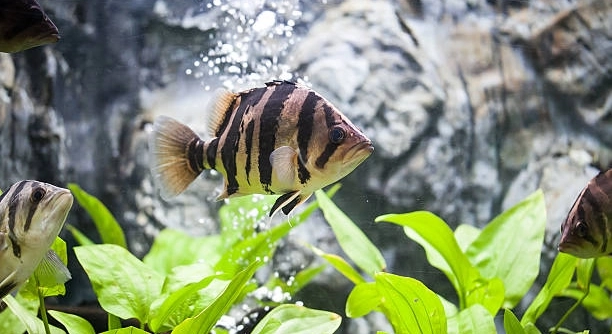
Barbs are small fish known for their lively behavior and social interactions. They use natural signals to communicate with each other in their environment. These cues help them survive and thrive in groups.
Barbs communicate through seven natural cues including body posture, fin movements, color changes, swimming patterns, chemical signals, tactile contact, and eye movements. Each cue serves a specific role in social behavior, aggression, mating, or alerting others to danger.
Learning about these cues can help fish owners better understand their barbs’ needs and improve care practices. This knowledge makes observing their behavior more meaningful and enjoyable.
Body Posture and Fin Movements
Barbs use their body posture to send clear messages to each other. When a barb stands tall and flares its fins, it often signals confidence or dominance. This can happen during feeding times or when protecting territory. On the other hand, a lowered body posture usually means submission or stress. Fin movements add another layer of communication. Quick flicks or waving fins might show excitement or readiness to interact. Slow, gentle fin motions can calm others around them. Observing these subtle shifts can tell you a lot about how barbs feel and interact. If you watch closely, you might notice that when one fish feels threatened, others respond by changing their posture or fin displays too. These natural signals help maintain balance and reduce conflict in their group. They are simple but effective ways for barbs to express themselves without needing sound or bright colors.
Barbs’ body language and fin movements are important for social balance. They show confidence, stress, or readiness to interact.
Watching these signs closely helps understand how barbs manage their relationships and daily interactions. It shows how communication keeps their group peaceful and organized, even in a small tank.
Color Changes and Swimming Patterns
Color changes in barbs often reflect their emotional state or health. When a barb feels threatened, it might darken its colors to appear less noticeable or to signal submission. During mating season, males can show brighter colors to attract females or assert dominance over rivals. These shifts are not permanent but happen quickly depending on the situation. Swimming patterns also play a big role in how barbs communicate. Fast, erratic swimming might signal fear or agitation. In contrast, slow, calm movements suggest comfort and trust within the group. Barbs sometimes swim in synchronized groups to show unity or safety. Understanding these visual cues helps you read their moods better and know when they feel safe or stressed. This insight is useful whether you are watching them for fun or caring for their tank environment. Recognizing these signals improves your ability to provide the right space and conditions for your barbs.
Color changes and swimming patterns offer clues about barbs’ emotions and social status.
These natural signals are quick and responsive, helping barbs adapt to their environment and communicate their feelings effectively.
Chemical Signals
Barbs release chemicals into the water to communicate with others nearby. These signals can indicate stress, readiness to mate, or alert others to danger.
Chemical communication helps barbs maintain social order without physical contact. When a barb feels threatened, it may release substances that warn the group. During breeding, pheromones encourage mating behaviors. These signals travel through the water and can influence the behavior of other fish quickly. Unlike visual cues, chemical signals work even when visibility is low. This method allows barbs to stay connected in different situations, supporting group survival. Chemical cues are subtle but powerful tools in their communication system.
Understanding chemical signals in barbs is important for maintaining a healthy tank environment. Stress or illness can increase these signals, which might affect other fish. Proper care and water quality help keep chemical communication balanced, reducing unnecessary stress within the group.
Tactile Contact and Eye Movements
Barbs use gentle touches to show reassurance or establish social bonds. Light nudges or rubbing against each other can be signs of acceptance or comfort.
Eye movements also play a role in communication. Barbs may stare or blink slowly to show interest or calmness. Quick darting of eyes can signal alertness or nervousness. These subtle actions help barbs express feelings when other signals might be unclear. Physical contact combined with eye gestures creates a fuller message between fish. This helps avoid misunderstandings and strengthens their social ties. These cues are especially useful in tight spaces or crowded tanks where other signals might be harder to notice.
Watching these small behaviors gives insight into barb interactions. Recognizing tactile and eye movement signals helps you understand their moods and social needs better. This knowledge supports creating a peaceful environment where barbs feel safe and connected.
Alert Signals
Barbs use sudden movements and rapid swimming to warn others of danger nearby. These quick actions grab attention immediately.
These alert signals help the group respond fast to threats. When one barb darts or hides suddenly, others follow, staying safe together.
Mating Displays
During mating, male barbs show off with bright colors and active swimming patterns. They may chase females or rival males, signaling readiness to reproduce. This behavior helps females choose strong, healthy mates. Mating displays are important for successful breeding and the survival of their species. Watching these patterns can reveal a lot about the health and social dynamics of your fish. Recognizing these signs helps ensure a good environment for breeding and managing fish populations in captivity.
Social Hierarchy
Barbs establish social ranks through body language and interactions. Higher-ranking fish show more confident postures and control access to food or space.
How do barbs show aggression without fighting?
Barbs often use body posture and fin displays to show aggression without physical fighting. A dominant barb will raise its body, flare its fins, and swim directly toward the other fish to warn it off. This behavior is meant to avoid injury by settling disputes visually. Sometimes they chase or nip lightly, but full fights are rare when these signals work. These displays establish clear boundaries and reduce stress in the tank. Watching for these signs can help you notice when a barb feels threatened or challenged, so you can adjust their environment to reduce tension.
Why do barbs change color suddenly?
Color changes in barbs are quick responses to their mood, health, or environment. Darkening colors usually mean stress or submission, while brightening colors often appear during mating or when a barb wants to show dominance. Illness or poor water conditions can also affect their color. These changes help barbs communicate without making noise. Noticing these shifts early can guide you to check water quality or tank mates, helping maintain a calm and healthy community.
Can barbs recognize each other through chemical signals?
Yes, barbs use chemical signals to identify familiar fish or detect strangers. These signals in the water carry information about stress, health, and reproductive status. When a new barb enters the tank, others release chemicals that help them assess the newcomer. This natural process helps maintain social order and reduces conflict. Keeping water clean ensures these chemical cues are effective and not masked by pollution or toxins.
How important is tactile contact among barbs?
Tactile contact is a subtle but key part of barb communication. Gentle touches, like nudging or rubbing against each other, help build social bonds and reduce stress. This physical contact can comfort nervous fish or strengthen pair bonds during breeding. In crowded tanks, it also reassures fish that they are part of the group. Understanding this helps create a more peaceful tank by giving barbs enough space to interact naturally.
What does rapid swimming mean in barbs?
Rapid, erratic swimming usually signals fear or agitation. It can mean a fish is stressed by a new tankmate, poor water conditions, or sudden changes in environment. Barbs may dart quickly to escape perceived threats or show nervousness. Slow, steady swimming means they feel safe. Watching their swimming patterns helps you spot problems early and make necessary changes, like improving water quality or rearranging tank decorations.
How do barbs communicate readiness to mate?
Male barbs display bright colors and active swimming to show they are ready to mate. They often chase females or rival males as part of this behavior. These actions signal strength and health, which females use to select mates. This natural display helps ensure strong offspring. Providing a good environment with hiding spots and clean water encourages these behaviors and supports successful breeding.
Why do barbs stare at each other or their tank environment?
Staring or fixed gazes among barbs can mean curiosity, assessing threats, or social bonding. When a barb stares, it may be trying to read another fish’s intentions or watch for changes in the tank. Slow blinking or relaxed eye movements suggest calmness, while rapid eye shifts show alertness or nervousness. Paying attention to eye behavior offers insight into their mood and social dynamics.
What role do synchronized swimming patterns play?
Synchronized swimming is a sign of group cohesion and safety. Barbs swim together to reduce the risk of predators and signal that the environment is safe. This behavior also helps maintain social bonds and reduce stress. If barbs stop swimming in sync, it can mean they feel threatened or unwell. Encouraging natural group behavior by keeping barbs in proper social groups improves their wellbeing.
How can I tell if a barb is stressed from their natural cues?
Stress in barbs shows through darkened colors, erratic swimming, hiding, or lowered body posture. They may also release more chemical signals, affecting the whole tank. Recognizing these signs early lets you check water quality, tank mates, or feeding routines to reduce stress. Creating a stable and clean environment is key to helping barbs feel safe and healthy.
Can barbs communicate across distances in the tank?
Barbs use a combination of visual, chemical, and tactile signals to communicate across distances. Visual signals like color changes and swimming patterns can be seen across the tank. Chemical signals travel through the water and reach fish even out of sight. Tactile contact is for close range only. This multi-layered communication system ensures they stay connected and responsive to each other in different situations.
Understanding how barbs communicate naturally can really change how you see these lively fish. They use a mix of body language, color changes, swimming patterns, chemical signals, touch, and eye movements to send messages. Each cue plays an important role in their daily interactions, whether it’s to show dominance, warn of danger, or express comfort. When you pay attention to these signs, you start to notice how much is going on beneath the surface in a tank. This deeper understanding can help you care for your barbs better and keep their environment calm and healthy.
Recognizing the natural cues barbs use also makes it easier to respond to their needs. For example, if a barb suddenly darkens in color or swims erratically, it’s a sign that something might be wrong. It could be stress from water conditions, conflicts with other fish, or illness. Watching their body posture or how they interact with tank mates can give you clues about their mood and wellbeing. When you know what these signals mean, you can take steps to improve their habitat or adjust their social group. This helps reduce stress and keeps the fish healthier over time.
Keeping a close eye on how your barbs communicate allows you to enjoy their behavior more fully. It can be rewarding to see how they express themselves without words. Whether they’re showing off bright colors during mating or using gentle touches to bond, these behaviors make them more than just decorative pets. They are social creatures with clear ways to connect and live together. Knowing their natural cues makes caring for them more satisfying and supports their long-term happiness in your aquarium.

Hello,
If you enjoy the content that we create, please consider saying a "Thank You!" by leaving a tip.
Every little bit helps us continue crafting quality advice that supports the health, happiness, and well-being of pets around the world, for pets of all shapes, sizes, and species.
We really appreciate the kindness and support that you show us!