
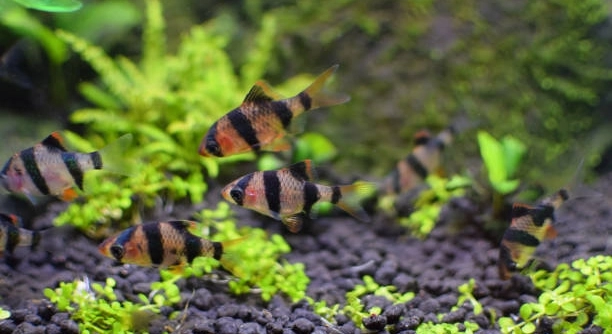
Do you ever find yourself wondering if your barb is getting enough mental stimulation in its tank environment?
Barbs benefit from mental stimulation through a mix of varied décor, tank mates, feeding techniques, and environmental changes. These additions encourage natural behaviors, reduce stress, and promote overall well-being, making them more active and engaged.
From rearranging plants to introducing new hiding spots, small changes can make a big difference in how your barb interacts with its space.
Add Floating Plants for Shelter and Interest
Floating plants help create a sense of shelter and calm in a barb tank. These plants break up light, provide shaded spots, and make the environment feel more natural. Barbs enjoy swimming through roots or resting in dim areas. Plants like Amazon frogbit or water lettuce are easy to grow and manage. They also help with water quality by absorbing extra nutrients. Adding these plants gives barbs something to explore while also reducing stress levels. Make sure the surface isn’t completely covered so oxygen can still get in. Regular trimming keeps them from taking over the tank. Floating plants also offer variety, which encourages natural behaviors like darting, hiding, and quick turns. For tanks with more movement or filters that disturb the surface, use a floating ring to keep the plants in place. This small change can give your barb a much more engaging and stimulating environment every day.
Start with one or two species of floating plants and monitor how your barb responds over time.
Adding floating plants is one of the easiest ways to improve stimulation. They bring light variation, provide soft hiding spaces, and add visual interest. Many barbs respond quickly to the change, becoming more active and alert within days.
Rearrange Tank Décor Every Few Weeks
Changing the tank layout from time to time gives barbs something new to explore.
Barbs are active fish that enjoy inspecting their surroundings. When you shift things around in their environment, they become curious again. This prevents boredom and encourages movement across all levels of the tank. Move plants, caves, or driftwood into different areas. Try stacking rocks differently or shifting hiding spots. Each change invites new exploration and gives barbs a reason to swim in less-used areas. Doing this every few weeks can also make aggressive fish less territorial, as space boundaries are reset. This trick also benefits other tankmates, creating a fresh feel for all the fish. You don’t need to overhaul the whole tank—small changes are enough. Just be sure not to stress the fish by moving everything at once. Keep changes slow and controlled. Watch how your barb reacts after rearranging things. Increased swimming, playful chasing, or curiosity near new structures are all good signs they’re mentally engaged.
Use Feeding Techniques That Involve Effort
Barbs enjoy working for their food. Using feeding tools like rings, cones, or clips forces them to search and move. This simple step turns eating into an activity, not just a routine.
Try rotating feeding methods to keep things interesting. Scatter food across the tank one day, use a floating ring the next, and try a slow-sinking pellet the day after. You can also place vegetables on clips near plants or driftwood. Barbs will nibble and tug, engaging both their minds and bodies. Some owners also use feeding cones for live or frozen foods. These require more effort and help simulate the hunt. Avoid using the same method every day. By changing how food is delivered, you help barbs stay alert and active. This also reduces stress and limits aggression during feeding, since fish spread out more when searching. Small adjustments like this can lead to noticeable behavior improvements.
Observation matters after feeding changes. See which methods your barb responds to best, then use those more often. For example, if they seem more excited chasing live food, try offering it once or twice a week. Mixing feeding styles keeps their interest and prevents boredom. It also supports their natural instincts.
Introduce Tank Mates That Match Their Energy
Barbs are active swimmers and do well with species that match their pace. Choosing the right tank mates adds stimulation and reduces stress from mismatched behaviors.
Avoid slow or long-finned fish, as barbs may nip at them out of boredom. Instead, pick fish that enjoy fast-paced swimming like danios, rasboras, or loaches. These species move around the tank and interact more naturally with barbs. Watching and responding to other fish helps keep your barbs engaged. It also spreads attention and reduces signs of aggression, especially in smaller groups. Try to keep barbs in schools of six or more so they feel secure. A well-matched group of tank mates leads to more balanced energy and constant movement. Make sure your tank is large enough to handle the added activity and give each species room to claim its space. A crowded tank can create stress, so be careful not to overstock.
Switch Up the Lighting Schedule
Changing the lighting schedule occasionally can keep barbs more alert. Slight shifts in timing simulate natural conditions like cloudy days or seasonal changes. This helps prevent them from becoming too used to a fixed routine.
Avoid sudden or extreme changes, though. Adjust lights by 15–30 minutes at a time.
Offer Different Types of Live or Frozen Food
Live and frozen foods activate hunting behavior. Feeding options like brine shrimp, bloodworms, or daphnia provide stimulation that dry pellets can’t. Barbs chase, nip, and react more actively when food moves. Offer these foods 1–2 times a week, depending on your tank’s needs. This variation also supports better nutrition.
Add a Mirror Temporarily
Placing a mirror against the tank wall for a short time can spark curiosity. Barbs may interact with their reflection, mistaking it for another fish. This creates mental stimulation, but only use it for a few minutes to avoid stress.
How often should I rearrange my barb’s tank décor?
Rearranging the tank décor every two to four weeks is usually enough to keep barbs interested without causing too much stress. Small changes, like moving a plant or rock to a different spot, encourage exploration. Avoid moving everything at once to prevent disorienting the fish. Watch how your barbs react after changes—if they seem active and curious, the timing is good. If they hide for long periods, consider spacing out changes more. Regular but gentle rearrangements help prevent boredom and keep your barbs mentally engaged.
Can I use any floating plants for my barb tank?
Not all floating plants suit barb tanks well. Choose plants that grow quickly and tolerate the conditions in your aquarium. Amazon frogbit, water lettuce, and duckweed are popular choices. These plants provide shade and hiding spots, which barbs appreciate. Avoid plants that spread too aggressively or require very specific care. Floating plants that block too much light can harm the tank’s ecosystem, so trim them regularly. Also, be sure your filter or water movement won’t uproot the plants. Proper floating plants create a natural feel and boost stimulation without extra work.
Is it okay to use a mirror to stimulate my barbs?
Using a mirror for a short period can be an effective way to encourage activity. Barbs may see their reflection and respond with curiosity or playfulness. However, prolonged exposure can cause stress or aggression because the fish may think it’s a rival. Limit mirror time to just a few minutes and observe your barb’s behavior. Remove the mirror immediately if you notice signs of stress, like frantic swimming or hiding. Mirrors are a useful tool but should be used sparingly and carefully.
What kind of live food works best for barb stimulation?
Live foods like brine shrimp, bloodworms, and daphnia are excellent for stimulating barbs. These foods move naturally in the water, triggering the fish’s hunting instincts. Offering live food once or twice a week adds variety and mental exercise. Frozen versions of these foods are good alternatives and easier to store. Make sure to source live foods from reputable suppliers to avoid introducing diseases. Feeding live or frozen foods not only improves diet quality but also encourages natural behaviors, making your barbs more lively and healthy.
How many barbs should I keep together for the best mental stimulation?
Barbs are social fish that thrive in groups. Keeping at least six barbs together is recommended for their well-being and mental health. In groups, they display natural schooling behavior, which keeps them active and reduces stress. Smaller groups or solitary barbs can become bored, anxious, or aggressive. A larger school spreads energy and helps maintain balance in the tank. Make sure your tank is large enough to accommodate the group comfortably, with enough swimming space and hiding spots to prevent overcrowding.
Will changing the lighting schedule really affect my barbs?
Yes, altering the lighting schedule slightly can impact barb behavior. Adjusting light on and off times by 15–30 minutes mimics natural light variation, keeping the environment less predictable and more stimulating. This change can increase activity and curiosity. Avoid drastic shifts or very long dark or light periods, as these can stress the fish. Consistency with small variations helps barbs maintain a healthy daily rhythm while staying alert to changes in their environment.
Are feeding rings or cones necessary for barb tanks?
Feeding rings and cones aren’t necessary but are helpful tools for mental stimulation. They encourage barbs to search and work for their food, activating natural foraging behavior. Using these tools can reduce food waste by keeping pellets or flakes contained and prevent aggressive chasing by spreading out feeding areas. Switching between open feeding and using rings or cones adds variety to your barb’s routine, which helps prevent boredom and promotes a healthier, more engaging environment.
How do I know if my barb is bored or stressed?
Signs of boredom or stress in barbs include lethargy, hiding, loss of appetite, and increased aggression. Repetitive behaviors like pacing or constant chasing of tankmates may also appear. If your barb seems uninterested in its surroundings or food, boredom could be the cause. Stress might show as rapid gill movement or clamped fins. If you notice these behaviors, try introducing new tank elements, changing feeding routines, or adjusting tank mates. Improving stimulation usually helps reduce these negative signs and brings back natural activity levels.
Can tank mates help with barb mental stimulation?
Yes, suitable tank mates provide social interaction and help keep barbs mentally active. Choose species that share a similar energy level and temperament, such as danios or rasboras. These fish swim actively and coexist peacefully with barbs, encouraging movement and natural social behaviors. Avoid slow or long-finned fish, which can be targets of fin nipping. The right companions make the environment more dynamic and reduce boredom by adding new behaviors and interactions for your barbs to observe and join.
How often should I offer live or frozen food for variety?
Offering live or frozen food once or twice a week is enough to add variety without upsetting your barb’s diet balance. Too much live food can increase waste or cause digestive issues. Rotate these foods with high-quality pellets or flakes to maintain good nutrition. This schedule keeps feeding interesting and encourages active foraging behavior while supporting overall health. Monitoring your barb’s response will help you find the right balance for their diet and mental stimulation.
Keeping barbs mentally stimulated is important for their overall health and happiness. A simple tank with just food and water is not enough to meet their natural needs. Barbs are active and curious fish that thrive in an environment that encourages movement and exploration. Adding different elements, like plants, decorations, or varied feeding methods, helps them stay engaged. These small changes can reduce stress and prevent boredom, which often leads to better behavior and a longer life. It’s worth taking the time to create a stimulating tank space that keeps barbs interested every day.
Each barb is different, so paying attention to how they respond to changes is key. Some barbs might enjoy chasing live food, while others might prefer new hiding places or more tank mates. It’s important to introduce new things slowly and carefully so the fish don’t get overwhelmed. Regularly changing the layout or offering different feeding techniques keeps their environment fresh and exciting. Even something as simple as adjusting the lighting schedule or adding floating plants can make a big difference. By observing your barbs closely, you can learn what works best for their mental stimulation.
Mental stimulation isn’t just about adding objects; it’s also about encouraging natural behaviors. Barbs need to swim, explore, hunt for food, and interact with others. Providing a tank setup that supports these behaviors will help your barbs stay active and healthy. A stimulated fish is less likely to develop health problems and more likely to show lively, interesting behavior. Remember, mental health in fish is as important as physical health. Taking steps to enrich your barb’s environment can improve their quality of life and your enjoyment as their caretaker.

Hello,
If you enjoy the content that we create, please consider saying a "Thank You!" by leaving a tip.
Every little bit helps us continue crafting quality advice that supports the health, happiness, and well-being of pets around the world, for pets of all shapes, sizes, and species.
We really appreciate the kindness and support that you show us!