
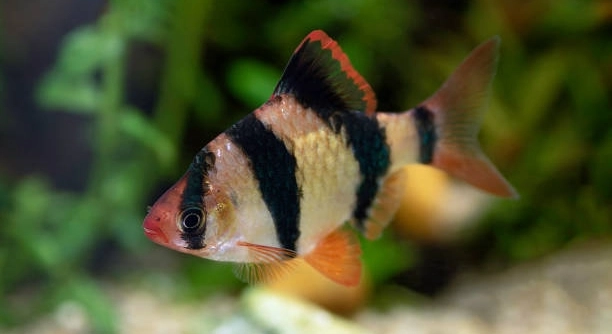
Do you ever find yourself setting up a tank for your tiger barbs and wondering if they might need more than just clean water and food?
Tiger barbs can experience boredom in overly simple tanks due to a lack of environmental stimulation. Without variety, these active fish may become stressed or exhibit aggressive behavior. A dynamic habitat encourages healthier, more natural behavior.
Adding plants, hiding spots, and enrichment can make a big difference in your fish’s daily life and overall well-being.
Why Simplicity Can Be a Problem for Tiger Barbs
Tiger barbs are naturally active fish that enjoy swimming in groups, chasing each other, and exploring their surroundings. When their tank is too plain, they often lack the stimulation they need to stay mentally and physically healthy. A bare tank with only a filter and heater doesn’t offer much variety, and that can lead to boredom. Boredom in fish might not be obvious at first, but over time, it can show through signs like fin nipping, aggression, or pacing. These behaviors are often dismissed as normal, but they can actually be signs of frustration or stress. Adding more structure to their environment gives them places to explore, hide, and swim around in a more natural way. It helps them stay active and reduces conflict among the group. Something as simple as rearranging decorations or introducing floating plants can bring a noticeable change in their mood and activity.
Without enough stimulation, tiger barbs may become more aggressive toward each other, leading to injuries or stress within the group.
Keeping them happy means keeping them interested. Their environment should give them different ways to interact, move, and rest. A boring tank can lead to more than just inactivity—it can affect their health and shorten their lifespan over time.
How to Make a Tank More Engaging
Tiger barbs enjoy active spaces, so tanks with variety are much better for their well-being than empty or unchanging setups.
Start by including plenty of plants, either real or artificial, to give them hiding places and areas to swim through. Add a few rocks or caves for resting and hiding. These features help them feel secure and reduce fighting. Changing the layout every couple of weeks can keep things fresh and exciting for them. Use decorations that are safe and smooth to avoid injury. Floating toys or moving water features, like air stones or bubble walls, can also create motion and keep them entertained. Even lighting can make a difference—gentle changes in brightness can simulate a natural environment. Be careful not to overcrowd the tank, though. Keep enough open space for swimming. A well-balanced tank setup not only prevents boredom but also helps your tiger barbs stay active, social, and more relaxed throughout the day.
Signs Your Tiger Barbs Might Be Bored
You might notice your tiger barbs chasing each other more often, even when it seems aggressive rather than playful. Other signs include swimming in the same spot, ignoring food, or constantly darting around without direction.
Some tiger barbs may start nipping fins more frequently or showing dominance by isolating one fish from the group. This behavior can become worse in a tank that doesn’t offer places to hide or explore. When fish don’t have enough to do, they redirect that energy into bothering each other. You might also see them spending a lot of time near the glass or filter, repeating the same swimming patterns again and again. These behaviors suggest they’re not getting what they need from their environment. Even healthy fish can start acting stressed or sluggish if their tank doesn’t give them enough stimulation or space to behave like they would in the wild.
If your tiger barbs seem restless or more aggressive than usual, it’s worth looking at your tank setup. A bored fish might not show clear signs at first, but over time, their stress levels increase. This can weaken their immune system and lead to illness. Providing more variety in their surroundings helps them use their energy in a healthier way.
Simple Additions That Make a Difference
Adding even a few new items can make your tiger barbs feel more comfortable and active in their tank. Think about plants, driftwood, or small tunnels.
Rotating decorations once a month gives your fish something new to explore. Consider using different plant heights to create layers in the tank—this makes their swimming more interesting. Floating plants can give them shade and a sense of safety. Water current from an air stone or filter outlet can encourage playful swimming. You can also try placing mirrors outside the tank for short periods to stimulate their curiosity, but don’t leave it too long to avoid stress. Make sure there’s a balance between open space and structure. Too many items can crowd the tank, while too few make it boring. These changes don’t need to be expensive or complicated—just thoughtful and consistent. A little effort can improve their behavior and overall health.
Mistakes That Can Lead to Boredom
Using only a few basic decorations might seem fine, but it limits the space where tiger barbs can hide or explore. This often leads to more aggressive behavior and stress in the group.
Keeping the same setup for months without change can make the tank feel dull. Fish benefit from variety and environmental shifts.
Do Tiger Barbs Need Tankmates to Stay Engaged?
Tiger barbs are schooling fish, so they need to be in groups of at least six to feel secure. A small group helps reduce aggression and gives them natural interaction, which prevents boredom. However, not all tankmates are a good match. Avoid pairing them with slow-moving or long-finned species, as tiger barbs may nip at them. Good companions include fast-moving fish like danios or other barbs. Having the right group dynamic makes the tank more active and engaging. Social interaction among compatible species provides mental stimulation, which keeps tiger barbs occupied and in better condition both physically and behaviorally.
When Simple Isn’t Enough
Even a clean tank with the basics might not meet all of their needs. Without stimulation, tiger barbs may act out or seem dull.
FAQ
Can tiger barbs live alone?
Tiger barbs should not live alone. They are schooling fish that feel more secure and active when kept in groups of at least six. A single tiger barb will often show signs of stress, such as hiding, refusing food, or becoming overly aggressive. In a group, they establish a social hierarchy and interact constantly, which keeps them engaged and healthier. If kept alone for too long, their mental health can decline, leading to erratic or withdrawn behavior. A small group helps balance out aggression and gives them the social structure they naturally need in captivity.
How often should I change my tank layout for tiger barbs?
Changing your tank layout once every few weeks can help reduce boredom. Tiger barbs enjoy exploring new areas and hiding places. Rotating plants, moving driftwood, or shifting rock positions gives them something different to investigate. You don’t have to make major changes—just small adjustments can offer new stimulation. If you notice your fish swimming the same paths or losing interest in the space, that’s often a sign it’s time for a refresh. Keeping their environment dynamic is key to promoting healthy, active behavior without overwhelming them with too much change at once.
Do tiger barbs play with decorations or tank toys?
While they don’t play the same way mammals do, tiger barbs interact with their environment in active ways. They swim through plants, dart around obstacles, and investigate anything new. Items like floating toys, bubble walls, or gentle water currents can add excitement to their space. Even mirrors can be used briefly to spark interest, though not for long periods, as they may see their reflection as a threat. Decorations with openings or tunnels are especially appreciated. These fish are naturally curious, and giving them features to explore helps keep them from becoming bored or stressed.
What kind of lighting is best for active behavior?
Moderate lighting with a regular day-night cycle works best for tiger barbs. Bright lighting can sometimes make them feel exposed, while dim lighting can make them sluggish. Adding floating plants helps diffuse the light and creates shaded areas, which makes them feel more secure. A consistent light schedule—about 8 to 10 hours of light per day—helps regulate their activity levels. Sudden light changes can startle them, so it’s best to use a timer or slowly adjust brightness. Balanced lighting supports both their physical health and their mental engagement with the tank.
Can tiger barbs get stressed in a decorated tank?
Yes, but it depends on how the decorations are arranged. Too many sharp or overcrowded items can cause stress or injuries. It’s important to provide a good balance between open swimming areas and hiding spots. Tiger barbs like to move fast, so cluttered tanks can restrict their space and lead to frustration. Use smooth decorations and make sure nothing traps or blocks them. A well-designed tank allows them to explore safely without feeling boxed in. Watch how they use the space—if they avoid certain areas, try rearranging things to better suit their needs.
How can I tell if my tiger barbs are healthy and engaged?
Active swimming, group schooling, regular eating, and bright coloration are all signs of healthy, engaged tiger barbs. They should interact with each other and move around the tank with energy. If they start isolating themselves, acting aggressively, or showing pale colors, it might mean they’re bored or stressed. Healthy fish also respond to feeding time with interest. You can often tell they’re engaged when they explore changes in their environment, like new plants or décor. Keeping an eye on these small behaviors helps you spot problems early and keep them active and well-adjusted.
Final Thoughts
Tiger barbs are active fish that enjoy swimming, exploring, and interacting with others in their group. While they are hardy and easy to care for in many ways, their behavior can change if their environment doesn’t meet their needs. A simple tank might look neat and easy to manage, but it often lacks the stimulation these fish need to stay healthy and happy. Boredom in fish may seem like a strange idea, but it shows up in real ways—such as aggression, stress, or repetitive swimming. If your tiger barbs seem more restless or less active than usual, their tank setup may be too plain.
Adding small changes can make a big difference. Live or artificial plants, driftwood, and other tank-safe decorations give tiger barbs places to explore and hide. Floating plants and light water movement from air stones also help keep them engaged. Changing the layout every few weeks gives them something new to explore, which helps break up their routine. It doesn’t take much time or money to adjust the space, but doing so keeps your fish more active and reduces unwanted behavior. Even observing how they interact with different features in the tank can help you learn what they enjoy most.
In the end, keeping tiger barbs healthy is not just about clean water and regular feeding. It’s also about giving them a tank that meets their behavioral needs. They thrive in a group, enjoy variety, and need an environment that allows them to be curious and active. A well-thought-out tank setup encourages better behavior, reduces stress, and supports long-term health. If you notice signs of boredom or stress, take a closer look at their environment. Even a few thoughtful adjustments can help bring out their natural energy and make their tank a more enjoyable place to live. A lively, active group of tiger barbs is not just more fun to watch—it’s a sign that their needs are being met.

Hello,
If you enjoy the content that we create, please consider saying a "Thank You!" by leaving a tip.
Every little bit helps us continue crafting quality advice that supports the health, happiness, and well-being of pets around the world, for pets of all shapes, sizes, and species.
We really appreciate the kindness and support that you show us!