
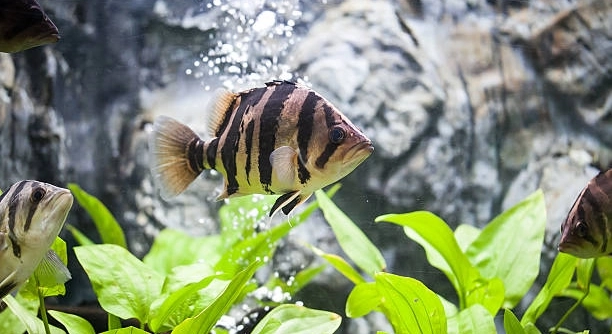
Barbarians in tank setups often become stressed, leading to fast, aggressive behavior. Managing their environment with the right adjustments can help calm them quickly. This article explores practical steps to improve their tank conditions for better behavior.
Seven key tank adjustments can reduce stress and aggression in barbs. These include controlling water temperature, improving filtration, providing hiding spaces, adjusting lighting, balancing tank mates, maintaining water quality, and ensuring proper feeding routines. Each factor plays a critical role in calming barbs efficiently.
Making these changes can create a more peaceful environment for your barbs. Understanding how each adjustment affects their behavior helps you maintain a calm and healthy tank community.
Control Water Temperature
Barbs are sensitive to changes in water temperature. Keeping the tank temperature stable between 74°F and 78°F helps reduce stress and aggression. Sudden drops or spikes can make them uneasy, causing them to dart around or nip at each other. Using a reliable heater and thermometer is important for maintaining a steady environment. If the water is too cold, barbs can become sluggish, but if it’s too warm, their metabolism speeds up, making them more active and sometimes aggressive. Regularly checking the temperature ensures the tank stays within the ideal range. A consistent temperature mimics their natural habitat, helping barbs feel secure.
Stable temperatures reduce barbs’ anxiety, preventing sudden aggressive outbursts.
Adjusting the water temperature is one of the easiest ways to calm barbs fast. When they are comfortable, their natural behavior becomes less erratic. Alongside other adjustments, temperature control sets the foundation for a peaceful tank. It also supports the health of other tank inhabitants, creating balance in the aquarium ecosystem.
Improve Filtration
Good filtration keeps the water clean and oxygen-rich.
A powerful, well-maintained filter removes waste and toxins that cause poor water quality, which can stress barbs. Dirty water leads to irritation and promotes aggressive behavior. Filters also help circulate oxygen, which barbs need to stay calm and healthy. Choosing a filter that matches the tank size is essential, as a weak filter won’t handle the waste efficiently. Regular cleaning of the filter media is important to maintain its effectiveness. Avoid strong currents, though, as barbs prefer moderate water flow. A good filter system keeps the water clear and balanced, supporting calmer fish over time.
Provide Hiding Spaces
Barbs need places to hide to feel safe.
Adding plants, rocks, or decorations creates hiding spots that reduce stress and aggression. These areas help barbs retreat when they feel threatened, calming their behavior. Without enough cover, barbs may become restless or chase each other more often.
Dense planting with tall and broad-leafed species gives barbs shelter and breaks line of sight. Driftwood and caves offer additional refuge, mimicking their natural environment. Providing a variety of hiding spaces supports peaceful interactions and lowers territorial disputes among the fish.
Adjust Lighting
Proper lighting influences barb behavior significantly.
Too bright lighting can make barbs feel exposed and stressed, increasing aggression. Dimming the lights or using floating plants to diffuse brightness creates a softer, more natural setting. Barbs often respond well to moderate, consistent light cycles, which help regulate their daily rhythms. Sudden changes or constant lighting can cause anxiety.
Using a timer to maintain a regular day-night cycle supports calm behavior. Gentle lighting paired with hiding spaces enhances the sense of security. This adjustment helps barbs settle into a relaxed routine, reducing unnecessary conflicts in the tank.
Balance Tank Mates
Choosing peaceful tank mates helps reduce barb aggression.
Barbs can be nippy, so avoiding slow or long-finned fish prevents stress for all species.
Maintain Water Quality
Regular water changes are essential to keep water clean and healthy. High ammonia or nitrate levels stress barbs and cause aggressive behavior. Testing water weekly and replacing 20-30% helps maintain a stable environment. Clean water supports barb health and calms their activity.
Ensure Proper Feeding
Feeding barbs a balanced diet prevents hunger-driven aggression. Overfeeding can pollute water, while underfeeding causes competition. Providing small, frequent meals keeps them satisfied and reduces chasing or biting behaviors.
How can I tell if my barbs are stressed?
Stressed barbs often swim erratically, hide more than usual, or show signs of aggression like nipping other fish. You might also notice loss of color or decreased appetite. Watching their behavior closely helps identify stress early so you can make adjustments to their environment.
What is the best temperature range for barbs?
Barbs thrive between 74°F and 78°F. Keeping the temperature stable within this range helps maintain their metabolism and reduces erratic or aggressive behavior. Sudden changes outside this range cause stress and may lead to health issues.
How often should I clean the filter?
Cleaning the filter every 3-4 weeks is usually enough. Rinsing the filter media in tank water (not tap water) preserves beneficial bacteria. A clean filter maintains water quality and reduces toxins that irritate barbs.
Are live plants necessary in a barb tank?
Live plants are not mandatory but highly recommended. They provide hiding spots and improve water quality by absorbing nitrates. Plants also soften lighting and make the environment feel more natural, which helps calm barbs.
Can barbs live with other fish species?
Yes, but tank mates should be fast and sturdy fish that can handle barbs’ active nature. Avoid slow-moving or long-finned fish, as barbs may nip at them. Good companions include danios, rasboras, and other similar-sized, peaceful species.
What kind of diet keeps barbs calm?
A varied diet with high-quality flakes, pellets, and occasional live or frozen foods keeps barbs healthy and satisfied. Feeding small amounts 2-3 times daily prevents hunger-driven aggression and reduces chasing or biting.
How important is water change frequency?
Regular water changes of 20-30% weekly are very important. They remove waste and keep water parameters stable. Stable water quality prevents stress and aggressive behavior in barbs, supporting their overall health.
Can adjusting lighting really affect barb behavior?
Yes, lighting impacts their stress levels. Bright or constant light can make barbs feel exposed and tense. Using moderate lighting with some shaded areas or floating plants helps create a calming environment, reducing aggression.
What if barbs keep chasing each other despite all adjustments?
Chasing can be natural, but if it’s constant and aggressive, consider adding more hiding spaces or increasing tank size. Sometimes overcrowding or incompatible tank mates cause persistent stress. Adjusting these factors usually calms barbs over time.
Is tank size important for keeping barbs calm?
Definitely. A tank that is too small restricts movement and increases territorial behavior. Providing at least 30 gallons for a small group gives barbs enough space to swim freely and establish territories without constant conflict.
Should I separate aggressive barbs from the group?
Separating highly aggressive individuals can help reduce stress for the rest. Sometimes a single fish dominates others, so isolating it or moving it to another tank improves the overall harmony. Monitor the group to decide if this is necessary.
How do I introduce new barbs to an existing tank?
Introduce new barbs slowly by floating their bag in the tank to equalize temperature. Add small amounts of tank water to the bag over time to acclimate them. This reduces shock and stress, helping them settle calmly into the group.
Can water hardness affect barb behavior?
Yes, barbs prefer moderately hard water. Extremely soft or very hard water can cause stress and make them more prone to aggression. Testing and adjusting water hardness to a moderate level supports calmer, healthier fish.
What role does oxygen play in calming barbs?
Good oxygen levels are essential. Low oxygen makes barbs restless and can trigger aggressive behavior. Proper filtration and surface agitation increase oxygen exchange, helping barbs stay calm and healthy.
How long does it take for barbs to calm down after tank changes?
It usually takes a few days to a week for barbs to adjust and settle after changes. Providing stable conditions and minimizing disturbances during this period helps reduce stress and aggressive displays.
Is it normal for barbs to nip fins sometimes?
Yes, mild fin-nipping can happen, especially in smaller tanks or if the group is too small. However, constant or severe nipping signals stress or poor tank conditions, which need addressing to protect all fish.
How can I encourage peaceful behavior among barbs?
Keeping barbs in groups of six or more spreads out aggression. Providing hiding spots, stable water conditions, and balanced feeding encourages calm social interaction. Consistency and a well-maintained tank support peaceful behavior over time.
Does barbs’ aggression change with age?
Young barbs tend to be less aggressive. As they mature, territorial behavior can increase. Providing enough space and environmental enrichment helps manage aggression as they grow.
What is the best way to prevent bullying in a barb tank?
Maintaining a proper group size, providing hiding spaces, and choosing compatible tank mates reduces bullying. Regular tank maintenance and stable water parameters also prevent stress-induced aggression.
Can stress from transport cause aggressive behavior in barbs?
Yes, transport stress makes barbs irritable and aggressive. Quarantine new fish and give them time to recover in a calm environment before adding them to the main tank. This helps prevent stress-related issues spreading to other fish.
When caring for barbs, creating a calm environment is essential for their well-being. The adjustments discussed—such as controlling water temperature, improving filtration, and providing hiding spaces—work together to reduce stress and aggression. Each small change adds up to make the tank a more peaceful place for your fish. A steady temperature keeps them comfortable, clean water supports their health, and places to hide offer a sense of security. These factors make a big difference in how your barbs behave daily.
Keeping barbs calm also depends on balancing tank mates and lighting. Choosing compatible fish and avoiding bright, harsh light can reduce tension in the tank. Feeding them properly with the right diet prevents competition and aggression over food. Maintaining good water quality by doing regular changes helps keep the environment healthy and stable. When these elements are in place, barbs tend to display less aggressive behavior and enjoy a better quality of life.
It’s important to remember that barbs are active, social fish that need enough space and stimulation. They will naturally chase each other sometimes, but with the right tank setup, this behavior is usually mild and short-lived. Observing your fish and making adjustments as needed is the best way to ensure they remain calm and healthy. With patience and care, you can create a balanced tank where barbs thrive peacefully, making the aquarium more enjoyable for both you and your fish.

Hello,
If you enjoy the content that we create, please consider saying a "Thank You!" by leaving a tip.
Every little bit helps us continue crafting quality advice that supports the health, happiness, and well-being of pets around the world, for pets of all shapes, sizes, and species.
We really appreciate the kindness and support that you show us!