
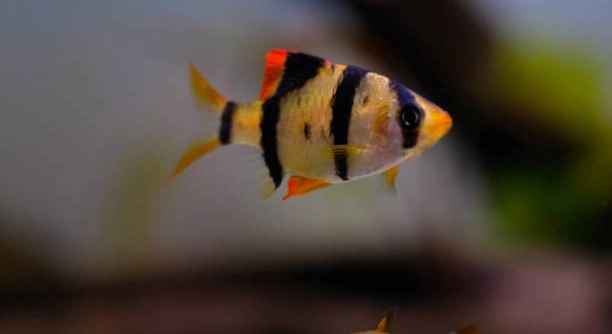
Do you ever find yourself watching your tiger barbs closely, only to notice them locking lips for a moment and then swimming away?
Lip-locking in tiger barbs is usually a display of dominance or territorial behavior rather than an affectionate gesture. This behavior is often seen among males during social disputes or competition for space in the tank.
Although this may look like fighting or kissing, understanding the reason behind this behavior can help you manage their environment better and promote a balanced tank.
What Lip-Locking Really Means for Tiger Barbs
Lip-locking in tiger barbs might look odd at first, especially if you’re new to keeping fish. It’s not a sign of affection. This behavior usually happens between two males trying to establish dominance. It’s common in groups with more than one male, and you might see it when they’re sorting out their social rank. Sometimes, this action is brief, and they swim apart without causing any damage. Other times, it can turn aggressive if one doesn’t back down. Tank size, lack of hiding spots, or too many males can make things worse. If it’s happening often or gets rough, it’s a good idea to check your tank setup. A balanced group, with enough space and plants, usually helps lower stress. Lip-locking is mostly a part of how tiger barbs interact, especially in new groups or when pecking orders change.
Lip-locking should be monitored, but it’s not always a reason to worry unless it leads to injuries or ongoing stress.
If you’ve recently added new fish, changed the tank layout, or altered the male-to-female ratio, that could explain the sudden display. Once the group settles, the behavior usually fades or becomes less frequent. Providing proper care often helps maintain peace in the tank.
Managing the Behavior in a Home Aquarium
This behavior can usually be reduced by adjusting a few things in the tank setup and keeping a close eye on group dynamics.
Start by making sure the tank is large enough—at least 20 gallons for a small group. Tiger barbs are active and thrive in groups of six or more, which helps spread out any aggression. Aim for a mix of both males and females to reduce constant tension. Add plants, rocks, and decorations to break up sightlines and give fish places to retreat. This can ease pressure during confrontations. Also, feed them a balanced diet and maintain good water quality to reduce stress. Avoid overstocking the tank, as limited space can cause more frequent lip-locking. If one fish becomes too aggressive, you may need to separate it temporarily or adjust the group. Sometimes, rearranging the tank can reset territory and calm things down. Watching your tiger barbs closely will help you know if your setup needs improvement.
Signs the Behavior Is Becoming a Problem
If you notice torn fins, missing scales, or one fish hiding constantly, the behavior may be getting out of hand. Frequent lip-locking paired with visible injuries often means stress levels in the tank are too high.
Pay attention to how often the lip-locking happens and which fish are involved. If it’s always the same pair, it may be best to separate them. Adding more hiding spaces or plants can help reduce tension. Sometimes, increasing the group size helps balance aggression, but only if the tank can handle it. Watch for signs like rapid breathing or refusal to eat—these point to stress. Injured fish can become targets, so make sure they get time to heal. Removing decorations and reintroducing them later can break territory claims and calm the group. Small changes in the tank can often shift the dynamic and reduce the frequency of conflict.
When aggression becomes constant, even after adjustments, it’s time to consider rearranging the fish group. A heavily stressed or injured fish can weaken quickly, leading to health issues. Regularly test your water, as poor quality makes aggression worse. Use tank dividers if needed. Sometimes, rehoming the more aggressive fish is the only long-term solution. Each group is different, so changes may take time.
Creating a Balanced Tiger Barb Group
A calm tank often starts with the right number of fish. Six or more tiger barbs help form a social structure that spreads out aggressive behaviors. Avoid keeping them in pairs or trios, as it increases tension.
When choosing a group, aim for a mix of males and females, but keep more females if possible. Male tiger barbs are more likely to show dominance behavior, especially during feeding or in crowded setups. Adding live plants or tall decorations gives fish space to retreat and reduces how often they confront each other. Rearranging the layout from time to time can keep territory disputes from forming. Feeding small amounts more often can prevent food-related fighting. It also helps to introduce all the fish at once instead of one at a time. That way, no single fish gets too attached to one part of the tank, and social bonds form more evenly.
When Lip-Locking Is Brief and Harmless
Short lip-locking between tiger barbs without injuries or constant chasing is usually nothing to worry about. It often happens during mild disputes and ends quickly with no lasting problems.
If the fish return to normal swimming and feeding right after, the behavior is likely just part of their social routine.
How Tank Size and Layout Can Help
Tank size plays a big role in reducing aggressive behavior like lip-locking. A small tank can increase stress and make territorial disputes worse. A 20-gallon tank is the minimum for a small group, but larger is better if space allows. Layout is also important. Adding plants, caves, and driftwood helps create hiding spots and breaks up open areas. This gives fish a chance to avoid each other and reduces direct confrontations. Rearranging the layout occasionally can reset territories and stop one fish from claiming too much space. A well-planned tank helps keep things calm and makes it easier for tiger barbs to live together peacefully.
Final Tip for Ongoing Peace
Keep an eye on behavior changes during feeding time or after adding new fish, as these moments often trigger short-term tension.
FAQ
Why do tiger barbs lock lips instead of fighting with their fins or bodies?
Tiger barbs locking lips is a form of ritualized behavior to avoid serious injury. This lip-locking is more like a test of strength or dominance without using their fins or bodies aggressively. It allows them to settle disputes with less risk of harm. This behavior is often brief and helps establish social order.
Is lip-locking the same as fighting in tiger barbs?
No, lip-locking is a specific behavior that can look like fighting but is usually less harmful. It’s a way to assert dominance or test strength. Actual fights involve chasing, fin-nipping, and chasing each other aggressively. Lip-locking tends to be less violent and shorter in duration.
Can lip-locking hurt my fish?
Usually, lip-locking doesn’t cause injury if it is brief and occasional. However, if it happens often or turns into prolonged struggles, it may cause stress or physical damage. Look for torn fins or missing scales. If injuries appear, consider changing the tank environment or separating aggressive fish.
How can I tell if lip-locking is serious or normal behavior?
If the fish quickly separate and swim away calmly, it’s normal. But if one fish is constantly chased, hides more, or shows injuries, it could be serious. Frequent lip-locking combined with signs of stress or harm means intervention may be needed to keep peace.
Does the number of fish in the tank affect lip-locking behavior?
Yes, having fewer tiger barbs, like pairs or trios, tends to increase aggression and lip-locking because they compete more directly. Keeping a group of six or more helps spread out aggression and creates a more balanced social hierarchy, which reduces conflict.
Is tank size important for preventing lip-locking fights?
Tank size is very important. Smaller tanks increase stress and make fish feel cramped, which raises aggression. A minimum of 20 gallons for a group of tiger barbs is recommended. Larger tanks provide space for territories and hiding spots, which helps reduce fighting and lip-locking.
Will adding plants or decorations help reduce lip-locking?
Yes, adding plants, rocks, and decorations creates hiding places and breaks up open spaces. This helps fish avoid constant face-offs by giving them room to escape or claim different territories. Rearranging the tank occasionally also helps prevent long-term territorial disputes.
Can diet affect how often tiger barbs lip-lock?
Feeding your tiger barbs well and on a regular schedule reduces stress and competition. If food is scarce or unevenly distributed, fish may fight more often to secure it. Small, frequent feedings help keep aggression down by reducing competition during meals.
What should I do if one fish is overly aggressive and lip-locking all the time?
If one fish is causing trouble, try adding more hiding spaces or rearranging the tank layout to break up its territory. Increasing the group size can sometimes help. If aggression continues, consider separating the aggressive fish temporarily or permanently to protect the others.
Can lip-locking happen outside of dominance fights?
Yes, sometimes lip-locking occurs during mating displays or courtship, but this is less common in home tanks. It can also be a response to stress or changes in the environment, such as adding new fish or rearranging the tank.
How long does a typical lip-locking event last?
Usually, lip-locking lasts only a few seconds. It’s a brief contest to show strength or claim dominance. If it lasts longer or turns into chasing and nipping, it means the conflict is more serious and might require attention.
Is lip-locking behavior unique to tiger barbs?
Lip-locking is seen mostly in species with strong social hierarchies like tiger barbs. Some other fish may have similar ritualized behaviors, but tiger barbs are well known for this distinctive display. It’s part of how they communicate and manage social order within their groups.
Lip-locking in tiger barbs is a natural behavior that helps them sort out their social structure. While it might look like fighting or kissing, it is mostly a way for these fish to show dominance or test each other’s strength without serious harm. This behavior is common, especially among males, and usually happens briefly. It is part of how tiger barbs live together in groups, balancing power and territory. Understanding this can help fishkeepers avoid worrying too much when they see their fish locking lips for a moment.
However, even though lip-locking is normal, it’s important to watch how often it happens and how the fish respond afterward. If the lip-locking is quick and the fish go back to swimming and eating without any signs of stress or injury, it is not a problem. But if it happens frequently or leads to torn fins, damaged scales, or one fish hiding a lot, then the behavior could be harmful. Stress and injury can weaken fish and lead to health problems. Adjusting the tank conditions, like adding plants or increasing space, can often help reduce aggressive behavior.
Taking care of tiger barbs means paying attention to their environment and group dynamics. Providing a proper tank size, a balanced number of males and females, and plenty of hiding spots usually keeps the peace. Feeding regularly and maintaining good water quality also reduce stress that might lead to aggression. Sometimes, small changes like rearranging decorations or separating an overly aggressive fish are needed to keep the group healthy. Knowing why and when lip-locking happens allows you to create a safe and calm home for your tiger barbs, helping them thrive and show their natural behaviors in a balanced way.

Hello,
If you enjoy the content that we create, please consider saying a "Thank You!" by leaving a tip.
Every little bit helps us continue crafting quality advice that supports the health, happiness, and well-being of pets around the world, for pets of all shapes, sizes, and species.
We really appreciate the kindness and support that you show us!