
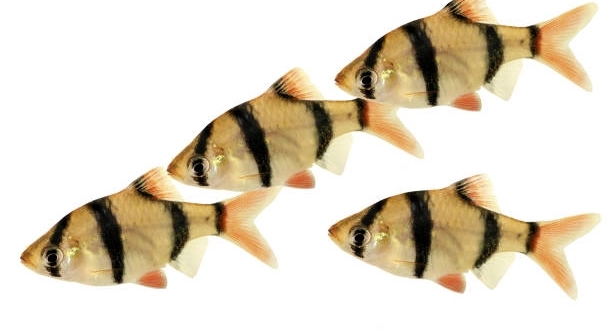
Do you ever find yourself watching your barb fish swim aimlessly, wondering if something might be off in their environment?
Barbs may need a new home when signs of stress, aggression, unusual swimming patterns, or dull coloration begin to appear. These changes often indicate poor tank conditions, incompatible tank mates, or a lack of proper space.
Noticing these early signs can help prevent health problems and ensure your barb thrives in a peaceful, well-suited habitat.
1. Unusual Swimming Behavior
If your barb starts swimming in strange patterns—like darting around quickly, hiding often, or hovering near the surface—it could mean something’s wrong with its environment. Barbs are active swimmers and usually stay busy in the middle of the tank. Erratic movement can come from poor water conditions, lack of oxygen, or being stressed by other fish. If the behavior is new, check the water temperature, pH levels, and ammonia content right away. Sometimes, aggressive tank mates or overcrowding can also cause this kind of response. When barbs don’t feel safe or are uncomfortable, they often change how they move through the tank. It’s important to pay attention to these signals early. That way, you can make small changes before things get worse. A healthy barb should look confident and smooth in its movements. If it seems jumpy or nervous, it might be time to consider a better-suited space.
These swimming changes don’t always mean sickness, but they shouldn’t be ignored either.
Making sure your barb has enough room, stable water conditions, and peaceful tank mates can often fix strange swimming habits. If things don’t improve after those changes, it might be time for a full tank upgrade or relocation.
2. Faded or Dull Coloration
When your barb’s colors begin to fade, it’s usually reacting to its environment.
Barbs are known for their bright and bold appearance. When they lose that natural shine, it’s often because they’re under stress or not feeling well. The tank setup might be too small, too crowded, or just lacking in enrichment. Poor lighting and low-quality food can also be reasons for color loss. If your barb was once vibrant and now looks pale or washed out, it’s worth reviewing its current living conditions. Sometimes barbs become dull after being added to an already established tank with dominant fish. This creates an unbalanced social environment, making them more likely to stay hidden and lose their bright look. Start by checking their diet—make sure it’s rich in nutrients and includes color-enhancing flakes or pellets. Next, adjust the lighting and remove any aggressive fish. If those steps don’t help, a move to a calmer, better-equipped tank may be needed.
3. Increased Aggression Toward Other Fish
Barbs are naturally active and sometimes a bit nippy, but constant chasing or biting means something’s wrong.
When aggression becomes frequent, it’s often because the tank is too small or lacks hiding spots. Barbs do best in groups, usually in even numbers of five or more. Without a proper shoal, they might become stressed and lash out. Aggressive behavior can also come from poor tank design. If there’s not enough space to swim freely, territorial disputes can start. Other times, incompatible tank mates make things worse. Peaceful species may react fearfully, which encourages even more chasing. Rearranging the tank, adding plants, or increasing the size of the group can help. If nothing improves, a new setup might be the best option for everyone in the tank.
Long-term aggression leads to injuries, stress, and even death for weaker fish. Your barb might be trying to tell you it needs more room or different companions.
4. Hiding More Often Than Usual
Barbs that suddenly begin hiding more may be feeling unsafe or overwhelmed in their environment.
This can happen if new, aggressive fish were added or if the tank has become too crowded. Barbs usually swim in open spaces, so hiding is a clear sign of stress. Low lighting, lack of cover, or water instability can also make them retreat more than usual. Keep an eye out for torn fins or subtle injuries, which may point to bullying. Giving them more natural cover like plants or décor can offer relief. But if hiding becomes the norm, it could be time for a more peaceful setup with better balance.
A barb that hides constantly is not thriving. Look at how the tank is arranged, who else is in it, and whether the water conditions are still within a healthy range. A new home with proper space and fewer stressors can help them become active again.
5. Lack of Appetite
When a barb stops eating, it’s often reacting to stress, poor water quality, or an overcrowded tank. Barbs usually have strong appetites, so ignoring food is a red flag that something in their environment needs to change.
Try offering a varied diet and check the water parameters. If food still goes untouched, consider whether tank mates are intimidating your barb during feeding times. Stress from constant chasing or lack of space can also lead to loss of appetite.
6. Gasping at the Surface
Barbs that hover near the surface and gasp for air may not be getting enough oxygen in the water. Poor aeration, high ammonia levels, or warm water can all reduce oxygen levels quickly. Adding an air stone or improving water circulation can bring relief.
FAQ
How many barbs should I keep together?
Barbs are schooling fish, which means they feel safest and act most naturally when kept in groups. The ideal number is at least five, but larger groups—seven or more—are even better if your tank can support it. Keeping barbs alone or in pairs often leads to stress and aggression. In groups, they spread out their energy, and the pecking order stays balanced. When barbs are kept in too-small numbers, they may nip at tank mates or each other. A proper group size helps reduce bad behavior and encourages healthier, more active swimming.
What size tank is best for barbs?
The minimum recommended size for a small group of barbs is 20 gallons. If you’re keeping more than five or mixing them with other species, a 30-gallon tank or larger is better. Barbs are active swimmers, and they need long tanks with room to move. A cramped tank leads to aggression, stress, and poor water quality. It’s not just about the number of fish—swimming space, hiding spots, and room for decor all matter. A larger tank allows for more stable water parameters, too. This makes it easier to maintain a healthy environment and avoid issues down the road.
Can barbs live with other fish?
Yes, but it depends on the species. Some barbs are peaceful, while others can be nippy or territorial. Tiger barbs, for example, have a reputation for fin-nipping and are best kept in larger groups to spread out their energy. Peaceful fish like tetras, rasboras, or danios often do well with barbs, but slow-moving or long-finned species—like angelfish or bettas—may get picked on. The key is to match energy levels and keep a close eye on behavior during the first few weeks. If aggression continues, it may be best to separate them.
Why is my barb hiding all the time?
Barbs typically enjoy open swimming space, so constant hiding usually signals stress. This can be caused by aggressive tank mates, overcrowding, poor lighting, or bad water conditions. A barb that feels unsafe will look for shelter, even if it’s normally active. Hiding may also mean your barb is sick or injured. Check for signs like torn fins, dull color, or lack of appetite. Make sure your tank has enough hiding spots so the fish can feel secure, but if hiding becomes constant, it may be time to reassess the tank setup.
Do barbs need a filter?
Yes, barbs need a good-quality filter to help maintain clean water and stable conditions. They produce waste just like any other fish, and without filtration, toxins like ammonia and nitrites can build up fast. Filters also keep the water moving, which improves oxygen levels and mimics the flowing waters barbs are used to in nature. Choose a filter that matches your tank size and clean it regularly to avoid clogs. Without a working filter, water quality can decline quickly, leading to illness or stress in your fish.
How can I tell if my barb is stressed?
Signs of stress in barbs include erratic swimming, hiding, loss of appetite, color fading, or aggression. A stressed barb might also isolate itself from the group. These behaviors often appear when the tank is too small, too crowded, or when water parameters are off. Sudden changes in temperature or pH can also trigger stress. Regularly test your water, keep up with cleaning, and watch for signs of bullying or illness. A calm, active barb that eats well and swims freely is likely feeling comfortable and secure.
Should I change tanks if nothing improves?
If you’ve tried adjusting tank mates, improving water quality, and adding more space or hiding spots—but your barb still shows signs of stress—then yes, it may be time to upgrade or change tanks. Some setups just don’t suit certain fish, especially if aggression or crowding is ongoing. A larger, calmer tank with the right fish companions can make a big difference in your barb’s health and behavior. Moving them to a better-suited environment often leads to a quick improvement in appetite, energy, and coloration. Sometimes, a fresh start is the best fix.
Final Thoughts
Taking care of barbs means more than just feeding them and keeping the tank clean. These fish are active, social, and sensitive to their surroundings. When their needs aren’t fully met, they start showing signs that something’s not right. If your barb is hiding more, swimming oddly, showing dull colors, or not eating like it used to, these are all signals that something in their environment might need to change. Paying attention to small changes in behavior can help you catch problems early. Even things like water flow, tank size, or tank mates can make a big difference in how your barb acts and feels.
Sometimes, small fixes like adjusting the lighting or adding more plants can help improve your barb’s comfort. Other times, the changes needed are bigger—like upgrading to a larger tank or rehoming aggressive fish. Every tank setup is different, and what works for one might not work for another. That’s why it’s important to observe your fish regularly and be open to trying new setups if the current one isn’t working. Moving a fish to a new home may feel like a big step, but if it helps them live a healthier, calmer life, it’s worth it. Barbs are happiest in a space that matches their needs—room to swim, a stable group, clean water, and peaceful tank mates.
Keeping fish healthy takes time and patience. It’s about learning their habits, understanding their signals, and being willing to make changes when something feels off. If your barb is showing signs it might need a new home, don’t ignore it. You don’t need to be an expert to make the right choice. Just taking the time to watch your fish, adjust their environment, and respond to their needs can go a long way. In the end, your barb depends on you to provide a safe and balanced place to live. When you create the right space for them, you’ll see the difference in how they move, interact, and thrive. A little attention goes a long way in making sure your barb feels at home.

Hello,
If you enjoy the content that we create, please consider saying a "Thank You!" by leaving a tip.
Every little bit helps us continue crafting quality advice that supports the health, happiness, and well-being of pets around the world, for pets of all shapes, sizes, and species.
We really appreciate the kindness and support that you show us!