
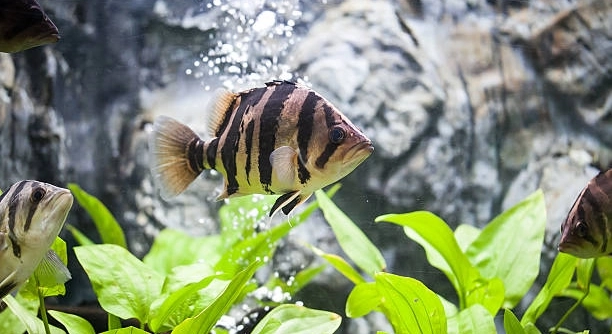
Tiger Barbs are lively fish often kept in home aquariums. Their energetic nature sometimes leads them to jump out of the water unexpectedly. Understanding this behavior is important for their care and well-being.
Tiger Barbs jump frequently due to stress, poor water conditions, or a lack of stimulation in their environment. These factors cause them to react instinctively, attempting to escape or explore beyond their tank. Addressing these issues helps reduce jumping incidents.
Learning more about what causes this behavior can improve the environment you provide. It also supports the health and happiness of your Tiger Barbs in the long run.
Reasons Tiger Barbs Jump
Tiger Barbs are active and curious fish, but their jumping behavior often signals that something in their environment isn’t right. One common cause is stress, which can come from overcrowding or aggressive tank mates. When they feel threatened, jumping becomes an instinctive reaction to escape. Another reason is poor water quality. High levels of ammonia, nitrites, or nitrates can irritate their gills and make them restless. Lack of oxygen in the water also pushes them to try to find better conditions by jumping. Sometimes, the tank might simply be too small or lack enough hiding spots, causing the fish to feel exposed and anxious. Providing a stable, clean, and comfortable environment helps reduce their urge to leap out of the water. Keeping the water parameters in check and offering enough space are key to calming their behavior.
Improving tank conditions can significantly lower the frequency of jumping in Tiger Barbs.
When Tiger Barbs jump, it’s important to check water temperature as well. If the temperature is too high or too low, it stresses the fish, making them more likely to jump. Regular water testing and partial water changes maintain healthy conditions. Adding plants or decorations gives them places to hide, making them feel safer. Feeding them a balanced diet also supports their overall health and reduces stress. With attention to these details, the fish settle down and jumping becomes less common.
How to Prevent Jumping
Maintaining a secure tank lid is essential to keep Tiger Barbs safely inside.
Proper tank setup goes beyond just a lid. Ensuring the tank is large enough for your fish to swim freely helps prevent restless behavior. A minimum of 20 gallons is recommended for a small group of Tiger Barbs. Keeping consistent water conditions by testing regularly and performing partial water changes reduces stress and irritation. Including live plants and decorations creates hiding spots that make the fish feel protected. Avoid mixing them with overly aggressive species that might provoke them to jump. Feeding high-quality food at regular intervals keeps their energy balanced and reduces anxiety. These steps collectively help create a peaceful environment where Tiger Barbs feel secure, lowering the chances they will jump.
Addressing both environmental and social needs is key to preventing jumping behavior in Tiger Barbs.
Signs Your Tiger Barbs Are Stressed
Jumping is often a clear sign that Tiger Barbs are feeling stressed or uncomfortable. Other behaviors may also indicate stress, such as hiding frequently or showing aggression toward tank mates.
Stress in Tiger Barbs can come from multiple sources. Poor water quality, overcrowding, or inappropriate tank mates may cause tension. When stressed, the fish may lose their vibrant colors and become lethargic. They might also refuse food or swim erratically. Watching for these signs early helps you intervene before their health worsens. Stress weakens their immune system, making them prone to disease. Maintaining a stable environment with clean water and enough space is essential for their well-being.
Sometimes, stress results from sudden changes in the tank, such as new fish introductions or equipment adjustments. Gradual changes allow Tiger Barbs to adapt better. It is also helpful to provide hiding places, reducing their anxiety. Consistent feeding schedules and avoiding overcrowding support their mental health. Observing your fish regularly and recognizing stress signs lets you make quick adjustments, improving their quality of life and reducing unwanted jumping behavior.
Importance of Tank Maintenance
Regular tank maintenance is critical to prevent jumping behavior in Tiger Barbs. Dirty or unbalanced water conditions can cause discomfort and stress, prompting them to jump.
Cleaning the tank regularly helps maintain stable water parameters. Removing uneaten food, vacuuming the substrate, and changing a portion of the water keep ammonia and nitrate levels low. Using a reliable water testing kit ensures that pH, ammonia, nitrites, and nitrates stay within safe limits. Filter maintenance is equally important, as a clean filter supports healthy bacteria that break down waste. Neglecting tank upkeep can lead to toxic water, harming your fish and causing erratic behaviors like jumping. Establishing a maintenance schedule creates a healthier environment and improves your Tiger Barbs’ overall happiness.
Tank Size and Space Needs
Tiger Barbs need enough room to swim freely. A cramped tank increases stress and jumping behavior.
A minimum of 20 gallons is recommended for a small group. More space allows natural schooling behavior and reduces tension.
Water Parameters to Monitor
Stable water conditions are vital. Keep temperature between 74–79°F and pH around 6.0–8.0. Sudden fluctuations cause stress. Regular testing helps catch problems early.
Feeding and Its Effects on Behavior
Feeding Tiger Barbs a balanced diet keeps their energy steady. Overfeeding or poor nutrition can lead to restlessness and increased jumping.
Choosing Compatible Tank Mates
Aggressive or overly active fish may provoke Tiger Barbs to jump. Select peaceful species that match their temperament to maintain harmony.
FAQ
Why do Tiger Barbs jump out of the tank?
Tiger Barbs jump mainly because they feel stressed or uncomfortable. Common causes include poor water quality, overcrowding, sudden changes in their environment, or aggressive tank mates. They may also jump if the water lacks enough oxygen or if the tank is too small for their activity level. Jumping is an instinctive response to escape perceived threats or unfavorable conditions.
How can I stop my Tiger Barbs from jumping?
The best way to prevent jumping is by improving their environment. Ensure the tank has a secure lid to keep fish inside. Maintain good water quality through regular testing and water changes. Provide enough space, ideally a 20-gallon tank or larger, with hiding spots created by plants or decorations. Avoid aggressive tank mates and feed a balanced diet regularly.
Is jumping harmful to Tiger Barbs?
Jumping itself is not harmful, but it can be dangerous if the fish land outside the tank. This can lead to injury or death. Frequent jumping also indicates stress, which affects their immune system and overall health. Addressing the causes of jumping helps keep them safe and healthy.
Can tank size affect jumping behavior?
Yes, a tank that is too small limits swimming space and increases stress, which may cause Tiger Barbs to jump. Providing enough room for natural schooling and movement reduces anxiety and restlessness, lowering the chances they will jump.
Do water parameters affect jumping?
Absolutely. Unstable or poor water conditions irritate fish and make them more prone to jumping. Temperature swings, high ammonia or nitrate levels, and improper pH can all stress Tiger Barbs. Consistent testing and maintenance keep water parameters in a safe range, reducing jumping behavior.
Will adding plants help reduce jumping?
Yes, plants and decorations provide hiding spots and reduce stress by making the environment feel safer. When Tiger Barbs have places to retreat, they are less likely to feel the need to jump.
How important is diet in preventing jumping?
A balanced diet is very important. Poor nutrition or overfeeding can cause restlessness and unhealthy energy levels, contributing to jumping. Feeding high-quality food in proper amounts supports their health and calm behavior.
Can aggressive tank mates cause Tiger Barbs to jump?
Yes, aggressive or territorial fish may provoke Tiger Barbs to jump out of fear or stress. It is important to choose peaceful species that coexist well with Tiger Barbs to maintain a calm tank environment.
How often should I test my aquarium water?
Testing water at least once a week is ideal. Regular checks allow you to spot problems early and make necessary adjustments before stress affects your fish.
What temperature is best for Tiger Barbs?
Maintaining a stable temperature between 74 and 79 degrees Fahrenheit helps Tiger Barbs stay healthy and less stressed. Avoid sudden temperature changes, as they can trigger jumping.
Are Tiger Barbs naturally jumpers or is it always a problem?
Tiger Barbs are active and can jump occasionally, but frequent jumping usually signals an issue. It’s important to identify and fix the cause rather than accepting jumping as normal behavior.
Should I add more Tiger Barbs to reduce jumping?
Keeping Tiger Barbs in groups of at least six helps satisfy their schooling instinct and reduces stress. A small group encourages natural behavior and may reduce jumping caused by loneliness or anxiety.
What can I do if my Tiger Barb jumps out of the tank?
If your fish jumps out, quickly but carefully return it to the water. Check the tank environment for causes like water quality or aggressive tank mates, and take steps to correct these to prevent future jumping.
Can lighting affect jumping behavior?
Strong or sudden changes in lighting can startle Tiger Barbs, leading to jumping. Providing consistent and moderate lighting conditions helps keep them calm.
Is it safe to keep Tiger Barbs with other jumping fish?
Mixing Tiger Barbs with other jump-prone fish can increase jumping incidents. Each species may react differently to tank conditions. It’s best to choose species that are peaceful and less likely to cause stress.
Do Tiger Barbs jump more during breeding?
During breeding, Tiger Barbs can become more active and sometimes jump due to excitement or territorial behavior. Providing extra hiding spots during this time can help reduce stress.
How does oxygen level affect jumping?
Low oxygen levels make Tiger Barbs uncomfortable, causing them to try to escape by jumping. Proper aeration and water movement improve oxygen levels and reduce this behavior.
Final Thoughts
Tiger Barbs are lively and active fish that bring energy to any aquarium. Their tendency to jump can sometimes be alarming, but it usually points to factors that need attention. Stress, poor water quality, overcrowding, or a lack of hiding places are common reasons for jumping. Recognizing these causes early helps prevent harm to the fish and maintains a healthier tank environment. Taking the time to understand their needs and behavior can lead to a more peaceful aquarium where your Tiger Barbs thrive without constantly trying to escape.
Maintaining stable water conditions is essential. Regular testing and water changes keep ammonia, nitrites, and nitrates at safe levels, which reduces stress. The temperature should be steady, between 74 and 79 degrees Fahrenheit, to avoid sudden discomfort. Providing enough space is just as important. Tiger Barbs do best in groups within tanks that allow them to swim freely and express natural behaviors. Adding plants and decorations creates safe spots, making the fish feel secure and less likely to jump. Attention to these details creates a comfortable environment that supports their health and reduces unwanted jumping.
Feeding a balanced diet and selecting compatible tank mates are also key steps. Overfeeding or poor nutrition can cause restlessness, while aggressive fish may provoke fear and stress. Observing your fish regularly and noting any changes in behavior allows you to address issues before they worsen. Simple adjustments in tank setup, water quality, and social conditions often make a big difference. With consistent care and attention, Tiger Barbs can live happily and healthily, minimizing their need to jump and making your aquarium a more enjoyable space.

Hello,
If you enjoy the content that we create, please consider saying a "Thank You!" by leaving a tip.
Every little bit helps us continue crafting quality advice that supports the health, happiness, and well-being of pets around the world, for pets of all shapes, sizes, and species.
We really appreciate the kindness and support that you show us!