
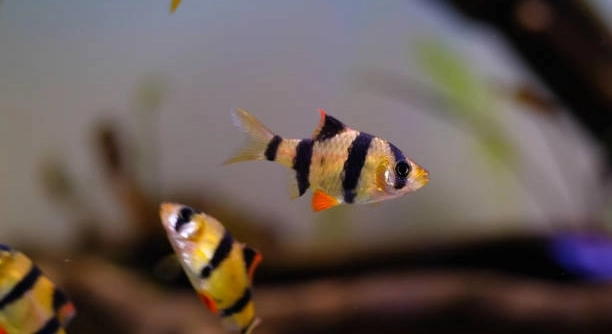
Many fishkeepers enjoy keeping tiger barbs for their lively behavior and striking colors. Knowing whether these fish prefer calm or busy tanks helps create a better environment for their health and happiness. This article explores their tank preferences clearly.
Tiger barbs generally prefer moderately busy tanks that mimic their natural habitat with plenty of swimming space and some hiding spots. Overcrowded or overly calm tanks can lead to stress or boredom, affecting their behavior and well-being.
Understanding these preferences helps ensure a balanced aquarium setup. The following sections explain how tank conditions influence tiger barbs and what you can do to meet their needs.
Tiger Barbs’ Natural Habitat and Behavior
Tiger barbs come from fast-flowing streams and rivers in Southeast Asia, where water moves steadily and plants grow densely. In this environment, they swim actively while having places to hide from predators. Their natural behavior is social, often schooling in groups for safety and interaction. In a tank, they show similar patterns, needing both open swimming areas and cover. When tanks are too calm, tiger barbs may become bored or restless. Without enough activity, they can display aggression toward each other. On the other hand, tanks that are too crowded or chaotic can increase stress levels and lead to health problems. Balancing space and structure is key. The right environment allows them to swim freely while feeling secure, which promotes natural behavior and bright colors.
Tiger barbs thrive best with a tank setup that reflects this balance between activity and shelter.
Adding plants and decorations helps create hiding spots and breaks up swimming paths, reducing stress.
Tank Size and Community Considerations
Tank size plays an important role in tiger barb behavior. A minimum of 20 gallons is recommended for a small group to allow enough room for swimming and establishing territories. When kept in groups of six or more, they are less likely to single out and nip at slower fish. However, tank mates should be chosen carefully, as tiger barbs can be fin nippers. Peaceful but fast-moving fish work best to maintain a calm but busy environment. Overcrowding, on the other hand, causes competition for space and resources, which increases aggression. Maintaining good water quality and stable conditions also supports their well-being. The goal is a tank that encourages natural activity without overwhelming the fish or the aquarist.
Providing a balanced community and sufficient space helps tiger barbs remain active and healthy.
Tank Activity and Decoration
Tank activity impacts tiger barbs’ behavior and health. A tank with moderate water movement mimics their natural habitat well, keeping them engaged. Decorations create hiding spots, which reduce stress and aggression among the fish.
Adding driftwood, plants, and rocks breaks the tank’s open space into smaller areas. These features give tiger barbs places to retreat when feeling threatened or tired. Movement in the water should be gentle but consistent, as stagnant water can lead to boredom and unhealthy conditions. Moderate currents also help oxygenate the water, which benefits the fish. A busy tank with balanced decorations encourages natural schooling and exploration without causing chaos.
A tank with good flow and well-placed decorations supports active swimming and social interaction, helping tiger barbs maintain bright colors and reduce aggressive behaviors.
Feeding and Tank Environment
Feeding routines affect how tiger barbs behave in their tank. Regular, balanced meals prevent hunger-driven aggression and maintain energy levels. Overfeeding or irregular feeding can upset the tank’s balance.
High-quality flake foods, pellets, and occasional live or frozen treats supply the nutrients tiger barbs need. Feeding small amounts multiple times a day mimics their natural foraging behavior and prevents uneaten food buildup. A busy tank environment with places to search and swim keeps their minds stimulated. This stimulation reduces stress and supports healthy activity levels. Feeding also encourages movement, as fish often swim actively to reach food. Balancing feeding with tank activity ensures tiger barbs remain healthy and content.
Providing a steady feeding routine with a variety of foods helps maintain a lively and peaceful tank atmosphere.
Social Behavior of Tiger Barbs
Tiger barbs are naturally social fish that thrive in groups. Keeping them in schools of six or more reduces aggressive behavior. They interact constantly, which keeps their environment lively.
When isolated or in too small groups, they may become stressed and show increased aggression or boredom. A proper group size supports healthy social dynamics.
Water Quality and Maintenance
Maintaining clean, stable water conditions is essential for tiger barbs. Regular water changes and proper filtration keep the tank environment healthy. Fluctuations in temperature or chemistry can cause stress and illness.
Keeping water parameters consistent supports their activity levels and natural behaviors. Monitoring ammonia, nitrite, and nitrate levels prevents harmful buildup, ensuring long-term fish well-being.
Tank Lighting
Moderate lighting helps tiger barbs feel secure and active. Too bright lighting can stress them, while too dim lighting reduces their activity and colors.
Natural day-night cycles simulated by lighting promote a healthy routine, supporting their overall behavior and tank dynamics.
How many tiger barbs should I keep together?
Tiger barbs are schooling fish and do best in groups of at least six. Smaller groups can lead to increased aggression and stress, as they feel insecure. Keeping six or more allows them to display natural social behavior and reduces bullying among themselves. Larger groups also help balance their active swimming and interaction, creating a lively but stable tank environment.
Can tiger barbs live in a calm tank with little water movement?
Tiger barbs prefer some water movement that mimics their natural habitat. A calm tank with very little flow may cause them to become bored or restless. Moderate water flow encourages swimming and helps oxygenate the water, which is beneficial for their health. A tank with gentle currents combined with hiding spots works best to keep them comfortable and active.
What types of tank decorations suit tiger barbs?
Decorations like plants, driftwood, and rocks create hiding places that reduce stress and aggressive behavior. Tiger barbs need open swimming space but also benefit from breaks in the tank layout. These features provide shelter and allow them to retreat if they feel threatened. Avoid overcrowding the tank with decorations to maintain enough swimming room.
Are tiger barbs aggressive toward other fish?
Tiger barbs can be fin nippers, especially if kept in small groups or overcrowded tanks. Their aggression is usually directed toward slower, long-finned fish. Choosing fast, active tank mates and keeping tiger barbs in groups of six or more helps reduce aggression. Proper tank size and environmental enrichment also play a role in managing their behavior.
What size tank is best for tiger barbs?
A minimum of 20 gallons is recommended for a small group of tiger barbs. This size provides enough swimming space and allows them to establish territories without feeling cramped. Larger tanks offer more stability in water quality and space for decorations, which helps reduce aggression and promotes natural behavior.
How often should I feed tiger barbs?
Feeding small amounts two to three times daily works well. This schedule mimics their natural foraging behavior and prevents overeating. Providing a varied diet that includes flakes, pellets, and occasional live or frozen foods supports their nutritional needs and keeps them active.
What water parameters do tiger barbs prefer?
Tiger barbs thrive in water with a temperature of 74–79°F (23–26°C), a pH between 6.0 and 7.5, and moderate hardness. Maintaining stable water parameters is crucial, as sudden changes can stress the fish. Regular testing and water changes help keep these conditions consistent.
Can tiger barbs live with other fish species?
Yes, but tank mates should be chosen carefully. Ideal companions are similarly sized, fast-moving fish that can tolerate the tiger barbs’ energetic behavior. Avoid slow or long-finned species, as they may become targets of fin nipping. Peaceful community fish that share similar water needs make the best tank mates.
What causes aggression in tiger barbs?
Aggression often stems from stress, overcrowding, or insufficient group size. Without enough swimming space or a proper social group, tiger barbs may nip fins or chase tank mates. Stress from poor water quality or lack of hiding spots can also trigger aggressive behavior. Providing a balanced environment helps reduce these issues.
How can I reduce aggression among tiger barbs?
Keeping a group of six or more, providing ample swimming space, and adding decorations for hiding reduce aggression. Regular water maintenance and a stable environment also help. Selecting compatible tank mates and avoiding overcrowding contribute to a peaceful tank atmosphere.
Do tiger barbs need strong lighting?
Moderate lighting is best for tiger barbs. Too bright lighting can cause stress, while too dim lighting may reduce their activity and vibrant colors. Lighting that simulates a natural day-night cycle supports healthy behavior and well-being.
How important is tank maintenance for tiger barbs?
Tank maintenance is very important. Regular water changes and filtration keep water clean and parameters stable. Poor water quality stresses tiger barbs and can lead to illness and aggressive behavior. A clean tank supports their activity levels and overall health.
Can tiger barbs live in planted tanks?
Yes, planted tanks suit tiger barbs well. Plants provide natural hiding spots and contribute to better water quality. They also help break up swimming areas, reducing aggression and boredom. Choose hardy plants that tolerate moderate water movement.
How do I tell if my tiger barbs are stressed?
Signs of stress include hiding frequently, loss of color, erratic swimming, or increased aggression. Stress often results from poor water quality, overcrowding, or lack of hiding places. Monitoring behavior and tank conditions helps catch problems early.
Are tiger barbs good for beginner fishkeepers?
Tiger barbs are relatively hardy but require proper care, including suitable tank size, group size, and water conditions. They are active and social, so beginners should be prepared to maintain a balanced tank environment. With attention to their needs, tiger barbs can be a rewarding choice.
Tiger barbs are lively and colorful fish that bring energy to any aquarium. Their natural behavior shows a need for balance between activity and calm in their environment. They thrive best in tanks that offer moderate water movement, plenty of swimming space, and enough decorations to provide hiding spots. This balance helps reduce stress and aggressive behavior, keeping the fish healthy and displaying their bright colors. Setting up the tank to reflect these conditions supports their well-being and makes caring for them easier.
Maintaining a proper group size is also important for tiger barbs. Keeping at least six together helps them feel secure and behave naturally. Small groups or solitary fish often become stressed or aggressive, which can harm the entire tank community. Besides group size, choosing the right tank mates and providing good water quality are key factors in creating a peaceful tank. Regular maintenance, including water changes and monitoring water parameters, ensures a stable and healthy environment. Feeding them a balanced diet on a regular schedule also keeps them active and content.
In summary, tiger barbs prefer a tank that is neither too calm nor too busy. They need moderate water flow, space to swim, hiding places, and social interaction with their own kind. Following these guidelines will help you create a suitable home for them. With the right care, tiger barbs remain lively, colorful, and a rewarding addition to your aquarium. Paying attention to their natural needs ensures they stay healthy and happy over time.

Hello,
If you enjoy the content that we create, please consider saying a "Thank You!" by leaving a tip.
Every little bit helps us continue crafting quality advice that supports the health, happiness, and well-being of pets around the world, for pets of all shapes, sizes, and species.
We really appreciate the kindness and support that you show us!