
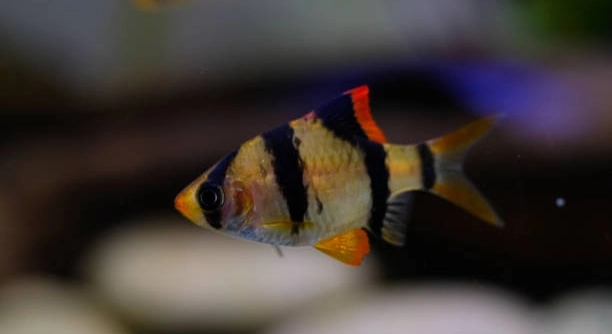
Tiger barbs are popular freshwater fish known for their lively behavior and striking colors. Many aquarium owners enjoy watching them swim and interact. However, it can be concerning when these fish suddenly stop eating without an obvious cause.
Tiger barbs may stop eating due to stress, illness, poor water quality, or changes in their environment. Sudden diet refusal often indicates underlying problems that require prompt attention to prevent health decline and maintain tank balance.
Understanding these common causes will help you identify and address the reasons behind your tiger barbs’ appetite loss effectively. This knowledge supports their well-being and keeps your aquarium thriving.
Common Causes of Appetite Loss in Tiger Barbs
Tiger barbs may stop eating for several reasons, often linked to their environment or health. Stress is a frequent factor, caused by overcrowding, aggressive tank mates, or sudden changes in water conditions. Poor water quality, such as high ammonia or nitrite levels, can also reduce their appetite. Illnesses, including parasites or bacterial infections, might make them refuse food. Changes in diet or the introduction of new foods without gradual adjustment may lead to hesitation in eating. Even temperature fluctuations outside their preferred range can affect their feeding habits. Observing their behavior closely can help identify the cause. It’s important to regularly test water parameters and maintain a stable, clean tank environment to prevent these issues. Addressing the cause early increases the chances of your tiger barbs returning to normal eating patterns and improves their overall health.
Water quality and stress are the most common reasons for sudden appetite loss in tiger barbs.
Feeding habits in tiger barbs depend heavily on stable tank conditions. When water quality declines, toxins like ammonia accumulate, causing discomfort and illness. Stress from aggressive tank mates or frequent disturbances can make them hide or avoid food. Illness symptoms might include lethargy, spots, or abnormal swimming. A sudden diet change might confuse them, so introduce new foods gradually. Monitoring water temperature and keeping it between 74-79°F helps maintain appetite. Keeping the tank clean and stable supports their health and feeding routine. Taking small steps like testing water regularly and observing fish behavior can prevent long-term problems and restore their appetite more quickly. Consistent care is key to avoiding these feeding issues in tiger barbs.
How to Encourage Tiger Barbs to Eat Again
Improving tank conditions is the first step to getting your tiger barbs to eat again.
To encourage feeding, start by checking water quality and correcting any issues. Perform partial water changes to lower toxins and stabilize the environment. Reduce stress by ensuring the tank is not overcrowded and by removing any aggressive fish. Try offering a variety of foods, including high-quality flakes, pellets, and occasional live or frozen foods like brine shrimp or bloodworms. Feed smaller amounts more frequently to stimulate their appetite without overfeeding. Maintaining a consistent feeding schedule helps them adjust. Gently lowering the tank lights can also make shy or stressed fish feel safer to eat. Patience is important; it may take a few days for tiger barbs to resume normal feeding. Observing their response to these changes guides you on what works best to restore their appetite and keep them healthy.
Identifying Illness in Tiger Barbs
Illness can cause tiger barbs to stop eating suddenly. Watch for signs like lethargy, faded color, or abnormal swimming. Spotting symptoms early helps in treating problems before they worsen.
Common illnesses include bacterial infections, parasites, and fungal growths. Infected fish may have clamped fins, white spots, or visible wounds. Parasites often cause flashing—rubbing against objects—and increased mucus production. If illness is suspected, isolate the affected fish to prevent spreading and consider appropriate medication. Maintaining good water quality reduces disease risks and supports recovery. Prompt action improves the chances of your fish returning to healthy eating habits.
Sometimes, illnesses are difficult to detect without experience. Regular observation is key. Take note of any changes in behavior or appearance, such as reduced activity or changes in gill movement. Avoid overfeeding, as leftover food can degrade water quality and worsen health. Quarantine new fish before adding them to your tank. These steps help prevent outbreaks and protect your tiger barbs from losing appetite due to illness.
Adjusting the Environment to Promote Feeding
Stress caused by environmental factors often reduces feeding in tiger barbs. Ensuring proper tank setup is crucial for their appetite and health.
Maintain water temperature between 74°F and 79°F, as fluctuations outside this range can stress fish. Keep the tank well-aerated and clean by performing regular partial water changes. Provide hiding spots with plants or decorations to make tiger barbs feel secure. Avoid sudden changes in lighting or water chemistry. Compatibility with tank mates matters—avoid overcrowding and aggressive species that may intimidate your fish. Creating a calm, stable environment encourages natural feeding behavior and supports overall well-being. Taking these measures consistently helps tiger barbs regain their appetite and thrive in their habitat.
Feeding Routine and Diet Variety
A consistent feeding routine helps maintain tiger barbs’ appetite. Feeding at the same times each day creates a reliable schedule they can adjust to.
Offering a varied diet supports their nutritional needs and keeps them interested in food. Mix flakes, pellets, and occasional live or frozen treats to encourage eating.
Treating Common Illnesses
Medications for bacterial infections, parasites, and fungal diseases are available at most pet stores. Correct diagnosis is important before treatment. Follow instructions carefully and isolate sick fish to prevent spreading. Good tank hygiene during treatment improves effectiveness and helps recovery.
Monitoring Behavior Changes
Regularly observe your tiger barbs’ behavior for early signs of stress or illness. Changes in activity levels, swimming patterns, or appetite often signal underlying problems needing attention.
FAQ
Why has my tiger barb suddenly stopped eating?
There are several reasons why your tiger barb might stop eating suddenly. Stress caused by overcrowding or aggressive tank mates is common. Poor water quality, such as high ammonia or nitrite levels, can also affect their appetite. Illnesses like bacterial infections or parasites may cause fish to lose interest in food. Changes in temperature or sudden diet changes can contribute as well. Checking water parameters and observing your fish’s behavior can help identify the issue.
How can I tell if my tiger barb is sick?
Signs of illness include lethargy, faded colors, clamped fins, or unusual swimming patterns. Look for white spots, wounds, or excessive mucus on their body. If they are flashing, rubbing against decorations, or isolating themselves, parasites could be the cause. Loss of appetite often accompanies these symptoms. Early detection and isolation of sick fish improve treatment success.
What should I do if my tiger barb refuses to eat?
First, test your tank’s water quality and perform a partial water change if needed. Remove any aggressive tank mates to reduce stress. Offer a variety of foods like flakes, pellets, and live or frozen treats to encourage eating. Feeding smaller amounts more frequently can help stimulate their appetite. Keep the tank environment stable with proper temperature and lighting.
Can stress cause tiger barbs to stop eating?
Yes, stress is a major reason tiger barbs stop eating. Overcrowding, incompatible tank mates, sudden changes in environment, or poor water conditions can all stress fish. Stress affects their immune system and appetite, making them less likely to eat. Reducing stress by improving tank conditions often helps restore feeding habits.
How often should I feed my tiger barbs?
Feed adult tiger barbs once or twice a day in small amounts they can consume within a few minutes. Overfeeding can cause leftover food to decay, harming water quality and fish health. Young tiger barbs may need more frequent feedings. Maintaining a regular schedule helps fish know when to expect food.
What types of food are best for tiger barbs?
Tiger barbs do well on a varied diet including high-quality flake or pellet foods. Supplement their diet with occasional live or frozen foods like bloodworms, brine shrimp, or daphnia. Vegetables like blanched spinach or zucchini can also be offered. Variety ensures balanced nutrition and keeps them interested in feeding.
How do water parameters affect tiger barb appetite?
Water parameters like ammonia, nitrite, nitrate levels, pH, and temperature directly impact tiger barb health and appetite. High ammonia or nitrite is toxic and causes stress or illness. Temperature should stay between 74°F and 79°F for optimal feeding behavior. pH should be stable around 6.5 to 7.5. Keeping these factors stable encourages consistent eating.
Is it normal for tiger barbs to stop eating during certain seasons?
Seasonal appetite changes can occur if tank temperature fluctuates or if lighting changes mimic natural seasonal cycles. Cooler temperatures slow metabolism, reducing hunger. Maintaining stable temperature and lighting year-round helps prevent appetite drops linked to seasonal changes.
How long can tiger barbs go without eating?
Tiger barbs can survive several days without food, but going longer can weaken their immune system. If they refuse food for more than three days, it is a sign of stress, illness, or poor tank conditions that should be addressed promptly. Long-term fasting harms their health.
Should I quarantine new tiger barbs before adding them to my tank?
Yes, quarantining new fish for at least two weeks is important to prevent introducing diseases or parasites to your main tank. This practice helps protect existing fish and avoids appetite loss caused by illness outbreaks. Quarantine also reduces stress during acclimation.
Can tank mates affect a tiger barb’s eating habits?
Aggressive or overly dominant tank mates can intimidate tiger barbs, making them avoid food. Slow or shy fish might get pushed away at feeding times. Choosing compatible species and providing ample space and hiding spots reduces competition and stress, promoting better feeding behavior.
What are signs that water quality is affecting my tiger barbs’ appetite?
Cloudy water, algae buildup, strong odors, or visible debris indicate poor water quality. Fish may gasp at the surface or hide more often. Appetite loss often accompanies these signs. Regular water testing and maintenance prevent these problems and keep tiger barbs eating normally.
How can I improve the eating habits of a picky tiger barb?
Try offering a wider variety of foods and changing the texture or size of pellets or flakes. Introducing live or frozen foods can stimulate interest. Feeding in a quiet, calm environment without sudden movements helps. Consistency in feeding time also encourages regular eating.
Are there any health supplements that help tiger barbs eat better?
Some aquarium supplements, like vitamins or garlic extract, may stimulate appetite and improve immunity. Use these sparingly and follow dosage instructions carefully. Maintaining a healthy tank environment is usually more effective than relying solely on supplements.
When should I seek professional help for a tiger barb that won’t eat?
If your tiger barb refuses food for more than five days despite improving tank conditions and offering varied diets, consult a vet or experienced aquarist. Persistent loss of appetite often signals serious illness requiring professional diagnosis and treatment.
Tiger barbs are lively fish that usually have good appetites, but sudden refusal to eat can be worrying. Understanding the common reasons for this behavior helps in addressing the problem quickly. Stress, illness, poor water quality, and environmental changes are the most frequent causes. Taking time to observe your fish closely and checking tank conditions is essential. Early identification of the issue allows for prompt action, which can prevent more serious health problems. Consistent care and attention make a big difference in keeping tiger barbs healthy and feeding well.
Maintaining a stable environment is key to encouraging tiger barbs to eat. Proper water parameters, including temperature, pH, and cleanliness, support their well-being. Avoid overcrowding and aggressive tank mates that cause stress. Providing a varied diet with high-quality flakes, pellets, and occasional live or frozen foods keeps their interest in feeding. Feeding small amounts at regular intervals helps prevent overfeeding and keeps water quality from declining. These steps create a supportive habitat where tiger barbs can thrive and maintain their natural feeding habits.
If problems persist, it is important to consider illness or parasite infection as possible causes. Look for visible signs of sickness such as color changes, spots, or abnormal swimming. Isolating affected fish and treating them with appropriate medication can improve recovery. Quarantining new fish before adding them to the tank reduces the risk of spreading disease. Ultimately, patience and observation are necessary when dealing with feeding issues. With careful management and attention, tiger barbs can regain their appetite and continue to bring life to your aquarium.

Hello,
If you enjoy the content that we create, please consider saying a "Thank You!" by leaving a tip.
Every little bit helps us continue crafting quality advice that supports the health, happiness, and well-being of pets around the world, for pets of all shapes, sizes, and species.
We really appreciate the kindness and support that you show us!