
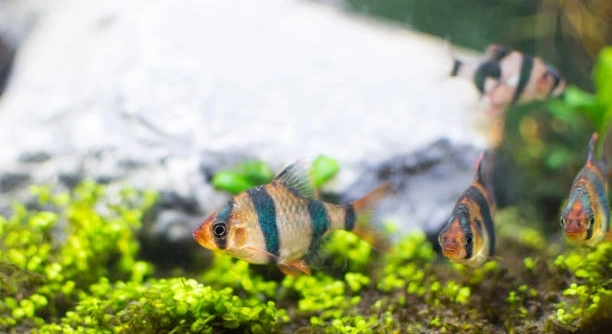
Do you ever find yourself wondering if your freshwater fish can handle a bit of salt in their tank environment?
Tiger barbs are freshwater fish and cannot thrive in brackish water. Exposure to salinity can lead to stress, health issues, and a shortened lifespan. Maintaining stable freshwater conditions is essential for their well-being.
Understanding the natural needs of tiger barbs can help you avoid common mistakes and provide them with a stable, healthy home.
Why Tiger Barbs Need Freshwater Conditions
Tiger barbs are native to rivers and streams in Southeast Asia, where the water is soft, slightly acidic, and completely freshwater. They are not built to handle the salt content found in brackish environments. Their bodies are adapted to absorb and balance minerals in freshwater, and even low levels of salt can disrupt their internal processes. Over time, this imbalance can weaken their immune system, affect organ function, and increase the risk of disease. Stress caused by poor water conditions may also lead to aggression or lethargy. Even though some fish may survive temporarily in slightly salty water, this does not mean they are thriving. Long-term exposure to salinity often results in slow health decline. If you want your tiger barbs to stay active and colorful, keeping their water clean and fresh is essential. Using dechlorinated tap water with stable parameters works best for their needs.
Brackish water often causes confusion because it supports some hardy species. However, tiger barbs are not one of them.
There’s no need to experiment with salinity levels. Stick to freshwater and focus on tank size, filtration, and consistent water testing. Your tiger barbs will show their best colors and behavior when kept in an environment that mirrors their natural habitat.
What Happens If You Add Salt?
Even small amounts of aquarium salt can have a strong effect on tiger barbs. They may show signs of stress, such as clamped fins, pale coloration, or rapid breathing. In some cases, salt exposure might not show immediate symptoms but still impact them slowly. Over time, their health can decline. While some aquarists use salt to treat parasites or bacterial infections, it should only be done carefully and for short periods. Regular use of salt in a tiger barb tank is not advised. Unlike fish from brackish or marine environments, tiger barbs don’t have the ability to balance internal salt levels well. Too much salt can make it hard for them to remove excess water from their bodies, which leads to swelling and organ issues. Instead of using salt, focus on keeping water quality high and feeding them a balanced diet to prevent health issues.
Signs Your Tiger Barb Is Not Adjusting Well
When kept in salty water, tiger barbs may act differently. They might hide more often, swim erratically, or lose their usual bright color. These are signs of stress and should not be ignored.
Clamped fins are one of the first signs that something is off. This means the fins are held tightly against the body, rather than spread out. You may also notice your tiger barb gasping near the surface, which is a sign they’re struggling to breathe properly. If they appear sluggish or stop eating, this often means the water conditions are wrong. Brackish water stresses their internal organs and weakens their ability to fight off illness. Even minor changes in salinity can create big problems for this species, so early signs of discomfort should be taken seriously. Moving them back to stable freshwater can often reverse early symptoms if done promptly.
Fin rot, bloating, or white spots can appear if your tiger barb’s immune system weakens over time. These are often tied to poor water conditions or added salt in the tank. The longer they remain in a stressful environment, the harder it becomes for them to recover. Their social behavior may also change, becoming either aggressive or withdrawn. Regular testing can help catch these issues early.
Can Tiger Barbs Tolerate Any Salt at All?
Tiger barbs may handle a very small amount of salt for short medical treatments, but it should never be part of their regular tank setup. Prolonged exposure can lead to serious health issues.
If salt is used, it must be carefully measured and only for short-term issues like treating parasites.
Alternatives to Salt for Health Support
Instead of using salt, focus on maintaining good water quality and a steady tank environment. Weekly water changes, proper filtration, and a varied diet help keep tiger barbs strong and active. Adding live plants can also support their health by improving oxygen levels and reducing waste. If your tiger barb gets sick, try using medications designed for freshwater fish instead of salt. There are many treatments available that don’t rely on changing the water’s salinity. Quarantining new fish before adding them to your tank also prevents disease. Keeping things simple and consistent works better than trying to adjust water chemistry with salt.
Final Thought on Tank Mates
Tiger barbs do best with other freshwater fish that thrive in similar conditions. Avoid mixing them with brackish species.
FAQ
Can tiger barbs live in brackish water at all?
Tiger barbs are strictly freshwater fish. They cannot live in brackish water long-term without serious health problems. Even a small amount of salt in the water stresses their system and can cause illness or death. For their safety, it’s best to keep them in clean, stable freshwater only.
What is the ideal water condition for tiger barbs?
Tiger barbs prefer water with a temperature between 74°F and 79°F (23°C–26°C), a pH of 6.0 to 7.5, and soft to moderately hard water. They need well-filtered water with regular partial water changes. Stable conditions help them stay healthy and active.
Is it okay to use aquarium salt occasionally with tiger barbs?
Using aquarium salt occasionally for treatment, such as for parasites, can be done but must be done carefully and only for a short time. Regular or continuous salt use is harmful to tiger barbs and should be avoided.
How can I tell if my tiger barbs are stressed by water conditions?
Signs of stress include clamped fins, pale or faded colors, hiding, rapid breathing, or lethargy. Stressed fish might also stop eating or swim erratically. If you notice these signs, check your water parameters immediately and correct any problems.
What are common diseases linked to improper water conditions?
Poor water conditions, including inappropriate salinity, can cause fin rot, ich, fungal infections, and bacterial illnesses. A weak immune system from stress increases susceptibility to these diseases.
Can tiger barbs be kept with brackish water fish?
No, tiger barbs and brackish water fish have different needs. Mixing them can harm the tiger barbs. Always keep fish with similar water requirements together.
How often should I change the water for tiger barbs?
Perform partial water changes of about 25% every week. This helps keep nitrate levels low and water parameters stable, which is vital for tiger barb health.
Can tiger barbs adapt if the water salinity changes slowly over time?
No, tiger barbs do not adapt well to changes in water salinity. Even gradual increases in salt levels can cause stress and damage. Keep their tank freshwater at all times.
What should I do if my tiger barb accidentally gets exposed to brackish water?
If exposed briefly, move them to freshwater immediately and perform partial water changes to reduce salt levels. Watch for stress signs and provide good care to help recovery. If symptoms worsen, consider consulting an aquatic vet.
Are there any benefits to adding salt to a tiger barb tank?
Generally, no. Salt is not beneficial for routine care. It can help treat some diseases but should be used cautiously and only when necessary, not as a preventive measure.
What is the best diet for tiger barbs to keep them healthy?
A balanced diet including high-quality flakes or pellets, supplemented with live or frozen foods like bloodworms or brine shrimp, supports good health and immunity.
Can tank plants help tiger barbs in freshwater tanks?
Yes, live plants improve water quality by oxygenating the tank and absorbing nitrates. They also provide hiding spots and reduce stress for tiger barbs.
How do I maintain a stable freshwater tank for tiger barbs?
Regular water testing, filtration, partial water changes, and avoiding sudden temperature or pH swings are key. Avoid adding salt or mixing with brackish species.
What other freshwater fish can live peacefully with tiger barbs?
Good tank mates include danios, rasboras, and other peaceful fish that thrive in similar freshwater conditions. Avoid slow-moving or delicate fish, as tiger barbs can be semi-aggressive.
Tiger barbs are lively, colorful fish that do best in stable freshwater environments. Their natural habitat is clean rivers and streams, and they have adapted over time to live in soft, slightly acidic water without any salt. Trying to keep them in brackish water, which has a mix of fresh and saltwater, is not suitable for their health. Even small amounts of salt in the water can cause stress, weaken their immune system, and lead to health problems. If you want your tiger barbs to live a long and healthy life, it is important to keep their tank free of salt and maintain freshwater conditions.
Maintaining the right environment for tiger barbs means paying close attention to water quality. Regular water changes, good filtration, and keeping the water temperature and pH stable will help your fish stay healthy and active. It is also important to avoid adding salt unless it is for a very specific, short-term medical treatment, and even then, only under careful guidance. The best way to support your tiger barbs is by creating a natural habitat that matches what they would experience in the wild. This not only keeps them comfortable but also reduces the chance of disease and stress.
Choosing the right tank mates and providing a balanced diet are also important parts of caring for tiger barbs. They get along well with other freshwater fish that have similar needs, but they do not do well with species that require brackish or salty water. Feeding them a mix of high-quality flakes or pellets with occasional live or frozen food will keep them strong and vibrant. By focusing on proper freshwater care, you ensure your tiger barbs stay healthy, colorful, and active, giving you an enjoyable and rewarding aquarium experience.

Hello,
If you enjoy the content that we create, please consider saying a "Thank You!" by leaving a tip.
Every little bit helps us continue crafting quality advice that supports the health, happiness, and well-being of pets around the world, for pets of all shapes, sizes, and species.
We really appreciate the kindness and support that you show us!