
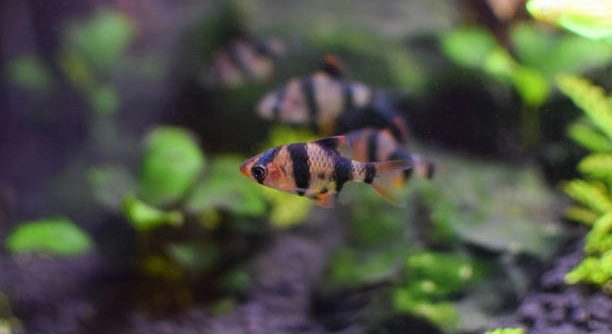
Many fishkeepers wonder about the best tank setup for their Tiger Barbs, especially regarding the substrate. Tank bottoms can vary widely, from bare glass to planted substrates. Understanding what suits Tiger Barbs helps create a comfortable environment.
Tiger Barbs do not have a strict preference for bare bottom tanks, but bare substrates can make tank maintenance easier and reduce the risk of debris buildup. However, providing hiding spots and proper water conditions is more critical for their well-being than the substrate type.
Choosing the right tank environment goes beyond the bottom surface. Knowing how substrate impacts fish health and behavior will help improve their quality of life.
Benefits of Bare Bottom Tanks for Tiger Barbs
Bare bottom tanks simplify cleaning by eliminating substrate where waste and uneaten food can accumulate. This reduces the chances of harmful bacteria or toxins building up, which helps maintain better water quality. Without gravel or sand, it is easier to spot debris and perform water changes efficiently. Tiger Barbs are active swimmers that appreciate open space, so a bare bottom tank gives them plenty of room to move freely. It also prevents substrate from being stirred up and clouding the water, which can stress the fish. While some aquarists prefer planted tanks with substrate, bare bottoms offer a practical option for keeping Tiger Barbs healthy and comfortable.
Bare bottom tanks require more frequent water changes since there is no substrate to aid in biological filtration. Keeping the water clean is essential for Tiger Barbs’ health.
In tanks with bare bottoms, it is important to add decorations such as rocks, driftwood, or plants in pots to provide hiding spots. These items make the environment more natural and reduce stress for the fish. Regular monitoring of water parameters and proper filtration are also necessary to support a healthy habitat. While bare bottoms ease cleaning, the overall tank setup must still meet the fish’s needs for space, shelter, and water quality.
Substrate Options and Tiger Barb Behavior
Tiger Barbs often interact with the substrate, especially in planted tanks where they may nibble on roots or dig slightly.
Choosing the right substrate affects their behavior and tank cleanliness. Substrates like fine gravel or sand can create a natural look and support live plants. However, these materials require careful cleaning to avoid debris buildup. Substrates with larger particles can trap food and waste, leading to poor water quality if neglected. Tiger Barbs may also uproot plants if the substrate is loose, so selecting heavier substrates or anchoring plants well is important. Ultimately, the choice depends on the keeper’s preference and the tank’s overall design. If ease of maintenance is a priority, bare bottom tanks are a better option. For a planted setup, a well-chosen substrate that balances cleanliness and plant health is necessary.
Cleaning and Maintenance of Bare Bottom Tanks
Cleaning a bare bottom tank is quicker because there is no substrate to vacuum. Waste and leftover food settle on the glass, making it easy to spot and remove during water changes. This helps keep water quality stable.
Frequent water changes are essential for bare bottom tanks since there is no substrate to help with filtration. It’s important to siphon the tank floor regularly to remove detritus. Also, cleaning filters often prevents debris buildup and maintains water clarity. Bare bottom tanks reduce the risk of harmful bacteria multiplying in the substrate, which benefits Tiger Barbs. However, because there is no natural biological filtration from gravel or sand, filtration equipment and water changes play a larger role. This setup is practical for aquarists who want low maintenance but still want to provide a healthy environment for their fish.
Despite the ease of cleaning, bare bottom tanks require consistent care. Neglecting water changes or filter maintenance can quickly lead to poor water conditions. Monitoring water parameters such as ammonia, nitrite, and nitrate levels is critical to prevent stress or illness. Regular partial water changes help maintain a stable environment, while thorough tank cleaning should be done periodically. Using bare bottom tanks can be less time-consuming but does not eliminate the need for proper aquarium upkeep.
Impact of Tank Environment on Tiger Barb Health
A clean and well-maintained environment directly affects Tiger Barbs’ health. Bare bottom tanks reduce the risk of infections related to poor substrate hygiene.
Maintaining stable water parameters and cleanliness helps prevent common diseases. Bare bottom tanks make it easier to detect changes in water quality quickly. Providing hiding spots and places to explore is still necessary, as stress can weaken the immune system. While substrate can offer a natural look and some biological filtration, it can also trap waste and cause water quality to decline if neglected. Bare bottom tanks allow better control of cleanliness but require attentive maintenance. Overall, the tank environment should balance ease of care with the fish’s need for shelter and proper water conditions to ensure a healthy and active Tiger Barb community.
Substrate Impact on Water Parameters
Substrate can affect water parameters by trapping waste and uneaten food, which may break down and increase toxins. This requires regular cleaning to prevent harmful spikes.
Bare bottom tanks avoid this issue, allowing for easier water quality monitoring and maintenance. Keeping parameters stable is essential for Tiger Barbs’ health and activity.
Behavioral Considerations with Different Substrates
Tiger Barbs tend to be active and sometimes nip at plants or decorations. A bare bottom tank minimizes digging and uprooting of plants, which can reduce stress caused by disrupted environment.
Choosing the right tank setup helps encourage natural behaviors while maintaining tank cleanliness and fish well-being.
Visual Appeal and Tank Setup
Bare bottom tanks offer a simple, clean look but may feel less natural. Adding decorations like rocks or artificial plants helps create hiding spaces and enrich the environment without substrate.
This balance supports both maintenance ease and a comfortable habitat for Tiger Barbs.
FAQ
Do Tiger Barbs need a substrate to thrive?
Tiger Barbs do not require substrate to survive or thrive. They are hardy fish that adapt well to various tank setups. What matters more is the overall water quality, tank size, and presence of hiding spots. Substrate mainly affects tank maintenance and aesthetics rather than the fish’s health directly.
Is a bare bottom tank better for Tiger Barbs?
A bare bottom tank can be better for keeping water clean and reducing maintenance time. It prevents waste buildup in the substrate, which lowers the risk of poor water conditions. However, bare tanks must be properly decorated with plants or ornaments to provide shelter and reduce stress for Tiger Barbs.
Can Tiger Barbs live in planted tanks with substrate?
Yes, Tiger Barbs can live in planted tanks with substrate. They enjoy swimming among plants and may nibble on roots occasionally. A planted tank creates a more natural environment but requires more cleaning to prevent debris buildup. Choosing a heavier substrate helps keep plants anchored despite the fish’s activity.
How often should I clean a bare bottom tank?
Cleaning frequency depends on tank size and fish load. Typically, partial water changes of 20-30% weekly are recommended. The tank floor should be siphoned regularly to remove waste. Bare bottom tanks are easier to clean but still require consistent maintenance to keep water quality high.
Will bare bottom tanks affect Tiger Barb behavior?
Bare bottom tanks do not negatively affect Tiger Barb behavior if the tank includes enough hiding spots and decorations. These fish are active swimmers and benefit from open space. Lack of substrate may reduce digging behaviors but does not impact their general activity or social interactions.
How can I decorate a bare bottom tank for Tiger Barbs?
Use rocks, driftwood, and artificial or potted live plants to add structure. These provide hiding places and help reduce stress. Avoid overcrowding the tank; balance open swimming space with sheltered areas. Decorations also improve the visual appeal of a bare bottom setup.
Are there any disadvantages to using a bare bottom tank?
The main disadvantage is the lack of natural biological filtration from substrate. This means filtration equipment and water changes must be efficient. Also, some hobbyists find bare bottom tanks less visually appealing without proper decorations. However, the health benefits and ease of maintenance often outweigh these concerns.
What water parameters suit Tiger Barbs best?
Tiger Barbs prefer temperatures between 74-79°F (23-26°C), a pH of 6.0-7.5, and moderate hardness. Keeping these stable is crucial regardless of substrate type. Regular testing helps catch problems early and ensures a healthy environment.
Can bare bottom tanks cause stress in Tiger Barbs?
Bare bottom tanks alone do not cause stress if fish have sufficient hiding spots. Stress usually comes from poor water quality, overcrowding, or lack of shelter. Adding decorations and ensuring proper tank conditions helps Tiger Barbs feel secure.
Is it harder to keep plants alive in a bare bottom tank?
Plants can survive in bare bottom tanks if grown in pots or anchored on decorations. Substrate is helpful but not essential for all plants. Choose hardy species and provide proper lighting and nutrients to support healthy growth without substrate.
Bare bottom tanks offer many practical benefits for keeping Tiger Barbs. They simplify cleaning and maintenance by eliminating the need to vacuum or stir substrate. Without gravel or sand, it is easier to spot waste and leftover food, which helps maintain better water quality. This setup reduces the risk of harmful bacteria or toxins building up in the tank. Tiger Barbs, being active swimmers, appreciate the open space that bare bottoms provide. However, bare bottom tanks require regular water changes and careful filtration since there is no natural biological filtration from substrate. Adding decorations such as rocks, driftwood, or plants in pots is important to create hiding spots and reduce stress for the fish. This balance ensures Tiger Barbs feel comfortable while keeping the tank easy to maintain.
While bare bottom tanks make maintenance easier, it is important to remember that they are not the only suitable option for Tiger Barbs. Planted tanks with substrate can create a more natural and visually appealing environment. Some hobbyists prefer fine gravel or sand to support live plants and provide a more natural habitat. However, these setups require more attention to cleaning to prevent waste buildup and water quality issues. Tiger Barbs may occasionally disturb plants or substrate while swimming, so heavier substrates or securely anchored plants are necessary to prevent uprooting. The choice between bare bottom and planted tanks depends on personal preference, time available for tank care, and how much emphasis is placed on aesthetics versus ease of maintenance.
Ultimately, the health and happiness of Tiger Barbs depend more on consistent water quality, proper tank size, and good nutrition than on the substrate itself. Both bare bottom and substrate-based tanks can work well if maintained properly. Providing hiding places, monitoring water parameters, and performing regular water changes are key factors. Bare bottom tanks offer a practical solution for hobbyists seeking low-maintenance setups without sacrificing fish welfare. At the same time, planted tanks can provide a beautiful and enriching environment if cared for attentively. Understanding the needs of Tiger Barbs and balancing maintenance with tank design will help ensure these fish thrive in any suitable aquarium setting.

Hello,
If you enjoy the content that we create, please consider saying a "Thank You!" by leaving a tip.
Every little bit helps us continue crafting quality advice that supports the health, happiness, and well-being of pets around the world, for pets of all shapes, sizes, and species.
We really appreciate the kindness and support that you show us!