
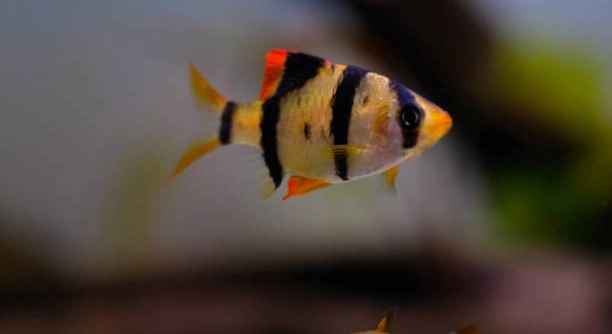
Tiger Barbs are popular freshwater fish known for their vibrant colors and active nature. However, many owners notice their fins getting damaged over time. Understanding the causes of fin damage helps maintain their health and appearance.
Fin damage in Tiger Barbs typically results from factors such as poor water quality, aggressive tank mates, inadequate diet, fin rot infections, physical injuries, stress, and improper tank conditions. Identifying these causes is essential for effective prevention and treatment.
Recognizing these causes allows for better care and a healthier environment for your Tiger Barbs. This article will explain the key factors behind fin damage.
Poor Water Quality
Maintaining clean water is crucial for Tiger Barbs. Dirty water can cause fin damage quickly. Waste buildup, leftover food, and decaying plants release harmful chemicals like ammonia and nitrites. These substances irritate the fish’s skin and fins, making them weak and prone to tearing. Without regular water changes and a good filtration system, water quality declines. Even slight changes in pH or temperature can stress the fish, affecting their immune system. Many owners don’t realize how often water needs testing to keep conditions safe. Observing cloudiness or odors in the tank signals a problem. Clear water doesn’t always mean it is healthy for fish. Taking simple steps like partial water changes and cleaning the tank can prevent damage. Healthy water keeps Tiger Barbs active and vibrant, reducing fin wear from illness or stress.
Consistent water quality checks help avoid fin problems. Monitoring parameters supports long-term fish health and reduces repair time.
Keeping the water clean involves testing weekly and changing 20-30% regularly. Using a reliable filter and removing debris prevents harmful buildup. Avoid overfeeding, which pollutes the tank faster. When water is stable, fins heal quicker if damage occurs. Good water also lowers the chance of bacterial and fungal infections. Proper maintenance keeps your Tiger Barbs swimming strong and looking their best. Regular care shows in their appearance and behavior, making a healthier tank environment for all aquatic life.
Aggressive Tank Mates
Aggression among fish can quickly damage Tiger Barbs’ fins. Some species nip or chase, causing tears and stress. Tiger Barbs themselves are known for fin nipping, especially in crowded tanks. When space is limited, aggressive behavior increases as fish compete for territory or food. Mixing Tiger Barbs with slow or long-finned fish often leads to injury. Watching interactions carefully helps identify problems before damage worsens. Separating aggressive fish or increasing tank size reduces fin biting. Providing hiding places or plants lowers tension and gives fish a break from one another. Selecting compatible species with similar temperaments also improves peace in the aquarium. Controlling aggression is key to protecting delicate fins and keeping fish stress-free.
Tank mates can impact fin health. Choosing peaceful companions reduces the risk of injury and promotes harmony.
Tiger Barbs should be kept in groups of six or more to spread aggression. Adding species that are calm and fast swimmers works well. Avoid housing them with slow, long-finned, or territorial fish that trigger fights. Careful observation during feeding and daily activity helps catch aggressive behavior early. If fin damage appears, separating the injured fish or rearranging the tank layout can help. Stress from aggression lowers immunity, making fish vulnerable to infections. Managing fish social dynamics supports overall tank health and fin condition. Proper stocking and environment prevent common problems related to fighting and fin damage.
Inadequate Diet
A poor diet weakens Tiger Barbs’ fins and overall health. Missing essential nutrients makes fins fragile and slow to heal. Feeding a balanced diet supports fin strength and immune defense.
Tiger Barbs need a mix of proteins, vitamins, and minerals. Relying only on flakes or pellets can lead to deficiencies. Including frozen or live foods like bloodworms or brine shrimp provides necessary nutrients. Variety helps mimic their natural diet and keeps them active. Overfeeding, however, can cause water quality problems, indirectly harming fins. Moderation and quality food choices are key to healthy fins.
A diet lacking vitamin C and amino acids slows fin repair and increases vulnerability to infections. Ensuring a nutritious diet improves fin growth and resilience. Supplementing with occasional vegetables or algae-based foods adds fiber and vitamins. Consistent feeding schedules prevent stress and aggression linked to hunger. Proper nutrition is one of the simplest ways to prevent fin damage and promote recovery.
Fin Rot Infections
Fin rot is a common cause of fin damage, triggered by bacteria or fungi. Poor water conditions and stress increase the risk of infection. It starts with small tears that worsen quickly if untreated.
Recognizing fin rot early helps prevent serious damage. Symptoms include frayed, discolored, or ragged fins, sometimes with white edges. Infected areas may appear swollen or have a foul smell. Treatment involves improving water quality and using medicated fish treatments. Isolating affected fish prevents spread to others. Fin rot weakens fins, making them prone to further injury and complicating healing. Addressing infections promptly ensures better outcomes.
Good tank maintenance prevents fin rot from developing. Avoiding overcrowding and stress lowers infection chances. Healing fins need clean, stable water and proper care. If left untreated, fin rot can lead to severe tissue loss or death. Regular observation and quick action keep Tiger Barbs healthy and their fins intact.
Physical Injuries
Physical injuries happen when Tiger Barbs bump into sharp decorations or rough surfaces. These accidents can tear fins or cause wounds that lead to infections.
Avoid using sharp or rough tank decorations. Smooth surfaces reduce the risk of fin damage from accidental contact.
Stress
Stress weakens the immune system and slows fin healing. Common causes include poor water quality, overcrowding, and aggressive tank mates.
Reducing stress involves maintaining stable water conditions, providing enough space, and minimizing aggressive interactions.
Improper Tank Conditions
Tank conditions such as incorrect temperature, pH imbalance, or poor lighting affect Tiger Barbs’ health. Unstable conditions make fins fragile and prone to damage.
Consistent and suitable tank parameters support fin health and overall well-being. Regular monitoring is essential to prevent fin damage.
FAQ
What are the first signs of fin damage in Tiger Barbs?
Early signs include small tears or ragged edges on the fins. You might notice discoloration or fins looking thinner than usual. Fish may also swim less actively or avoid areas where they usually hang out.
How quickly can fin damage get worse?
Fin damage can worsen within days if left untreated. Tears may expand, and infections like fin rot can develop quickly in poor water conditions. Prompt action is necessary to stop further harm.
Can fin damage heal on its own?
Minor fin tears can heal naturally if the tank environment is stable and clean. However, infections or constant fin biting will prevent healing and require treatment or intervention.
How often should I check water quality to prevent fin damage?
Testing water weekly is recommended. Keeping ammonia, nitrites, and nitrates at safe levels helps avoid stress and infections that damage fins. Regular partial water changes maintain good water quality.
Is fin damage always caused by other fish?
Not always. While fin nipping from tank mates is common, other causes like poor water quality, infections, injuries, or stress also lead to fin damage. It’s important to consider all factors.
What foods help Tiger Barbs maintain healthy fins?
High-quality flakes or pellets enriched with vitamins, combined with frozen or live protein sources like bloodworms and brine shrimp, support fin health. Occasional vegetable matter can provide extra nutrients.
Can overcrowding cause fin damage?
Yes. Overcrowded tanks increase stress and aggression, causing fish to nip at each other’s fins. Ensuring enough space and proper stocking levels reduces fin damage risk.
What treatments work for fin rot?
Improving water quality is essential, along with antibacterial or antifungal medications specifically made for fin rot. Isolating affected fish can prevent the spread to others. Follow medication instructions carefully.
How can I reduce aggression among Tiger Barbs?
Keeping them in groups of six or more helps spread aggressive behavior. Providing hiding spots and plants reduces stress. Avoid mixing with slow or long-finned fish to limit fin nipping.
Can changes in temperature affect fin health?
Yes. Sudden or extreme temperature shifts stress fish and weaken fins. Maintaining stable temperatures within the species’ preferred range supports overall health and fin integrity.
Are artificial decorations better than natural ones for preventing injuries?
Both can be safe if chosen carefully. Avoid decorations with sharp edges or rough surfaces. Smooth artificial decorations or soft plants help prevent physical damage to fins.
When should I consult a vet for fin damage?
If fin damage worsens despite water improvements or medication, or if fish show signs of severe illness such as lethargy, loss of appetite, or unusual behavior, professional advice is recommended.
How long does it take for fins to fully heal?
Healing time varies depending on damage severity and tank conditions. Minor tears can take a few weeks, while severe damage or infections may take longer. Consistent care speeds recovery.
Is fin damage painful for Tiger Barbs?
While fish don’t experience pain like mammals, damaged fins cause discomfort and stress. Open wounds increase infection risk, which affects their well-being.
Can fin damage affect breeding?
Yes. Stress and poor health from fin damage can reduce breeding behavior and success. Keeping fish healthy supports reproductive health.
Final Thoughts
Taking care of Tiger Barbs means paying close attention to their fins. Damaged fins are a clear sign that something in their environment needs fixing. It could be water quality, tank mates, diet, or other conditions. Keeping water clean and stable is one of the best ways to protect your fish’s fins. Regular water changes and tests prevent harmful substances from building up. This helps avoid stress and infections that make fins weak or torn. Watching how your fish behave and look every day lets you catch problems early before they get worse.
Choosing the right tank mates and setting up a suitable environment is just as important. Tiger Barbs are active and sometimes nippy, so it’s important to avoid overcrowding and mixing them with slow or long-finned species. Providing enough space and hiding spots reduces stress and aggression. Stress can make fins more fragile and slow down healing if damage happens. Also, feeding a balanced diet rich in vitamins and proteins keeps their fins strong. Good nutrition helps the fish fight off infections and recover faster from injuries. Paying attention to these details makes a big difference in your fish’s health.
If fin damage occurs, it is important to act quickly. Small tears can heal on their own with proper care, but infections like fin rot need treatment. Improving water quality and using the right medications will help stop infections from spreading. Sometimes, isolating the injured fish helps prevent further damage. Healing takes time, so patience and consistent care are needed. Overall, preventing fin damage is easier than fixing it. Keeping a clean tank, choosing compatible fish, feeding well, and managing stress will give your Tiger Barbs the best chance to thrive and display their bright, healthy fins for a long time.

Hello,
If you enjoy the content that we create, please consider saying a "Thank You!" by leaving a tip.
Every little bit helps us continue crafting quality advice that supports the health, happiness, and well-being of pets around the world, for pets of all shapes, sizes, and species.
We really appreciate the kindness and support that you show us!