
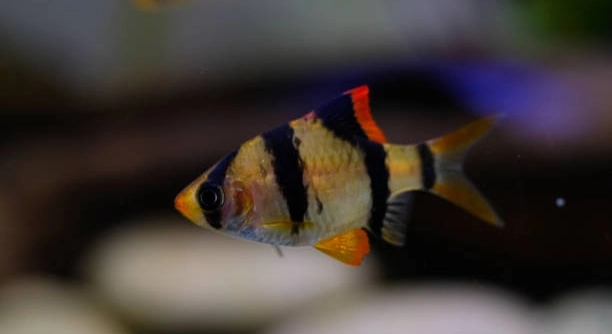
Barbs are lively fish that add color and activity to home aquariums. Finding compatible tankmates is important to keep the environment peaceful. Quiet companions can help reduce stress and create a calm space for all the fish.
Selecting quiet tankmates for barbs involves choosing species that are non-aggressive and compatible in temperament. Ideal companions maintain low activity levels and avoid competing aggressively for food or territory, which helps sustain a tranquil aquarium atmosphere.
Knowing which fish fit well with barbs can improve your tank’s harmony and make maintenance easier. This article will outline seven suitable options for peaceful cohabitation.
Corydoras Catfish
Corydoras catfish are small, peaceful bottom dwellers that thrive alongside barbs. Their quiet nature and social behavior make them excellent companions. These fish prefer to stay near the tank’s substrate, scavenging for leftover food without disturbing the mid or upper water levels. Corydoras help keep the tank clean by eating debris, which benefits all inhabitants. They do well in groups of at least three or more, encouraging natural schooling behavior that reduces stress. Their calm temperament contrasts well with the more active barbs, creating balance in the aquarium. Corydoras are hardy fish that adapt well to various water conditions, making them low-maintenance additions. Their presence adds visual interest without increasing aggression, which supports a peaceful environment for all species in the tank.
Corydoras catfish are a reliable choice for peaceful tanks with barbs. Their gentle behavior and cleaning habits improve tank dynamics.
Adding Corydoras to your aquarium offers both practical and aesthetic benefits. They clean the substrate by eating leftover food, which helps maintain water quality. Their schooling habits create calm movement at the tank bottom, contrasting nicely with the energetic barbs above. Corydoras rarely compete for food or territory, allowing barbs to swim freely without confrontation. They prefer moderate water conditions similar to those favored by barbs, making tank management simpler. Because they stay low in the tank, they do not interfere with the barbs’ natural swimming patterns. Their small size and peaceful disposition ensure they will not intimidate or stress other fish. Overall, Corydoras catfish contribute to a balanced and serene aquarium environment.
Kuhli Loaches
Kuhli loaches are slender, eel-like fish known for their shy and peaceful behavior. They spend much of their time hiding or burrowing in the substrate. Their nocturnal habits mean they are mostly active when barbs are resting, reducing the chance of conflict. Kuhli loaches prefer hiding spots created by plants or decorations, adding a layer of security that supports their calm nature. They are bottom feeders and generally avoid competing with barbs for food in mid to upper water levels. These loaches are social and should be kept in groups to promote natural behavior. Their gentle movement and quiet presence make them ideal tankmates for barbs that can be boisterous.
Kuhli loaches are a quiet and shy species that complement barbs well without disturbing the tank’s balance.
Their bottom-dwelling, nocturnal habits keep them out of the barbs’ way during most active hours. Kuhli loaches appreciate soft substrates for burrowing and plenty of hiding spots. Their feeding habits focus on leftover food, which helps prevent waste buildup. By occupying different tank zones, they reduce competition and stress. These loaches are sensitive to water quality, so regular maintenance is important to keep them healthy. Their presence adds diversity to the aquarium while maintaining peace. Kuhli loaches’ non-aggressive and secretive nature helps create a calm environment, even when sharing space with more active species like barbs.
Nerite Snails
Nerite snails are excellent for peaceful tanks because they do not bother fish and help control algae. They remain quiet and rarely interfere with barbs.
These snails actively clean algae from tank surfaces, reducing maintenance efforts. Their hard shells protect them from potential aggression by barbs. Nerite snails are peaceful and non-invasive, meaning they do not compete for food or territory. They thrive in similar water conditions as barbs, which makes them easy to care for together. Additionally, their presence contributes to better water quality by consuming unwanted algae without disturbing the aquarium’s balance.
Nerite snails reproduce only in brackish water, so they won’t overpopulate your freshwater tank. This makes them a low-risk, natural way to keep algae in check. Their slow movement and quiet behavior allow barbs to swim without stress or distraction. These snails are an efficient addition to any peaceful aquarium, supporting a healthy environment and enhancing its appearance without causing disruption.
Otocinclus Catfish
Otocinclus catfish are small, gentle algae eaters that coexist well with barbs. Their calm nature and size prevent competition for space and food.
Otocinclus prefer to graze on soft algae growing on plants and tank surfaces. They require stable water conditions and do best in groups of at least four to feel secure. Their quiet activity contrasts with the more energetic barbs, promoting peaceful coexistence. Because of their small size, Otocinclus are unlikely to intimidate or be aggressive toward other fish. Their diet helps reduce algae naturally without the use of chemicals, benefiting the overall aquarium health.
Regular feeding supplements may be needed since Otocinclus focus mainly on algae and biofilm. They thrive in well-planted tanks with gentle water flow, mirroring conditions preferred by barbs. Otocinclus are sensitive to poor water quality, so consistent tank maintenance is important. Their peaceful temperament and algae control capabilities make them a valuable addition to a peaceful barb tank, helping to keep the environment clean and calm.
Amano Shrimp
Amano shrimp are peaceful cleaners that coexist well with barbs. They help control algae and detritus without disturbing other tank inhabitants.
Their small size and non-aggressive behavior make them excellent tankmates. Amano shrimp are active yet quiet, maintaining balance without conflict.
Glass Catfish
Glass catfish are calm swimmers that prefer mid to upper water levels, avoiding competition with barbs. Their transparent bodies add visual interest while keeping a peaceful presence in the tank.
They thrive in groups and require stable water conditions. Their quiet temperament ensures they do not provoke barbs or other fish.
Paradise Fish
Paradise fish are colorful and moderately peaceful but can show mild aggression. They should be kept in spacious tanks with plenty of hiding spots to minimize conflicts with barbs.
Proper tank size and environment help balance their territorial tendencies, making cohabitation more successful.
What makes a good tankmate for barbs?
A good tankmate for barbs is a species that is peaceful, non-aggressive, and able to live in similar water conditions. Barbs are active swimmers and sometimes nippy, so tankmates should tolerate their energy without becoming stressed or aggressive. Quiet, bottom-dwelling fish or invertebrates that do not compete for the same space or food tend to work best. It is important that the tankmates also thrive in the same temperature and pH ranges as barbs. Compatibility in behavior and environment helps keep the aquarium peaceful and reduces chances of conflict or stress.
Can barbs live with other aggressive fish?
Barbs can sometimes be aggressive, especially if kept in small groups or if tank space is limited. Introducing other aggressive fish increases the risk of fights and stress. Aggressive tankmates may provoke barbs or be attacked by them. For a peaceful tank, it is better to avoid pairing barbs with similarly aggressive or territorial fish. Instead, select species known for calm temperaments. Providing plenty of hiding places and maintaining proper stocking levels can also reduce aggression. Ultimately, careful selection and monitoring are key to preventing problems.
Are snails safe tankmates for barbs?
Yes, many snail species are safe with barbs. Nerite snails, in particular, are excellent tankmates because they are peaceful and help control algae. Their hard shells protect them from accidental nips by barbs. Snails occupy different areas of the tank, usually crawling on surfaces, so they don’t compete for space. It is important to choose snail species that cannot reproduce excessively in freshwater, to avoid overpopulation. Overall, snails can be a helpful addition that improves tank cleanliness without disturbing barbs.
How many tankmates should I keep with my barbs?
The number of tankmates depends on tank size and species compatibility. Barbs are schooling fish and should be kept in groups of at least five or six to reduce aggression within their own species. When adding other tankmates, consider the total bioload and swimming space. Overcrowding causes stress and increases aggression. For small tanks, keep fewer companions and focus on peaceful species. Larger tanks allow more diversity and numbers. Monitoring fish behavior after introduction is important to adjust stocking if necessary.
Do barbs require specific water conditions for their tankmates?
Yes, barbs prefer water that is slightly acidic to neutral (pH around 6.5 to 7.5) and temperatures between 72°F and 79°F (22°C to 26°C). Tankmates should thrive within similar ranges to avoid stress and health issues. Fish or invertebrates requiring very different conditions may suffer or cause maintenance challenges. Consistent water quality with regular testing and changes benefits all tank inhabitants. Matching water preferences simplifies care and helps maintain a stable, peaceful aquarium.
Will barbs bother bottom-dwelling fish or invertebrates?
Barbs are mostly active swimmers in mid to upper water levels and tend to ignore peaceful bottom dwellers like Corydoras or Kuhli loaches. They generally do not bother snails or shrimp either. However, barbs can sometimes nip fins if stressed or overcrowded. Choosing hardy, peaceful bottom species that hide or stay out of the way reduces conflict. Providing ample space and hiding places supports harmony. Regular observation ensures early detection of any aggressive behavior toward bottom dwellers.
How can I reduce aggression among barbs and their tankmates?
Maintaining proper tank size and stocking levels is critical. Overcrowding and limited space often increase aggression. Providing plenty of hiding spots with plants and decorations gives fish places to retreat. Keeping barbs in sufficient groups helps them focus aggression within their own species rather than other tankmates. Feeding regularly and adequately reduces competition for food. Monitoring water quality keeps fish healthy and less prone to stress-induced aggression. If aggression persists, consider separating aggressive individuals or choosing more compatible species.
Are shrimp good companions for barbs?
Shrimp like Amano shrimp can coexist with barbs, but there is some risk since barbs may nip at smaller, slower-moving shrimp. Amano shrimp are larger and more active, which helps reduce predation. Providing dense plant cover and hiding places allows shrimp to escape if needed. Shrimp contribute to tank cleanliness by eating leftover food and algae. Choosing shrimp species that can tolerate some interaction and providing a well-planted tank increases their chances of thriving with barbs.
Is it necessary to quarantine new tankmates before adding them to a barb tank?
Quarantining new fish or invertebrates before adding them to the main tank is always recommended. This practice helps prevent introducing diseases or parasites to established fish. Quarantine also allows observation of behavior and health issues in a controlled environment. New tankmates can be treated if necessary before introduction. Barbs can be sensitive to water quality and illnesses, so quarantine helps maintain a stable, healthy tank. A quarantine period of at least two weeks is generally advised.
How do I know if my tankmates are stressed by barbs?
Signs of stress in tankmates include hiding excessively, loss of appetite, color fading, and unusual swimming patterns. Fish may also become lethargic or show signs of fin damage. Stress often occurs when barbs nip or chase other fish. Observing interactions closely during the first days after introducing new tankmates is important. If stress is evident, increasing hiding spots, reducing barb aggression by adding more barbs, or rearranging the tank layout may help. In some cases, separation of species is necessary to protect weaker fish.
Choosing the right tankmates for barbs is essential to create a peaceful aquarium environment. Barbs are active and sometimes nippy fish, so their companions must be calm and able to coexist without causing or receiving stress. Quiet species that occupy different areas of the tank, such as bottom dwellers or algae eaters, work best. These companions help balance the tank’s activity and reduce conflict. A well-planned community tank allows barbs to swim freely while maintaining harmony among all inhabitants. Selecting compatible species supports the health and happiness of the fish.
Maintaining proper tank conditions is equally important. Barbs and their tankmates generally prefer similar water parameters, including temperature, pH, and cleanliness. Keeping these conditions stable reduces stress and promotes long-term health. Providing sufficient space and hiding spots also helps prevent aggression. Overcrowding or poor water quality often leads to tension between fish. Regular monitoring of fish behavior and tank environment allows timely adjustments to prevent problems. Simple maintenance practices contribute greatly to a peaceful and thriving community tank.
It is helpful to introduce tankmates carefully and observe interactions closely. Quarantining new fish or invertebrates before adding them ensures they are healthy and reduces the risk of disease. Gradually adding compatible species and watching for signs of stress or aggression can improve success. Patience and attention to the needs of each species create a balanced tank where barbs and their companions can coexist peacefully. Thoughtful choices and ongoing care are key to maintaining a calm and attractive aquarium for all its inhabitants.

Hello,
If you enjoy the content that we create, please consider saying a "Thank You!" by leaving a tip.
Every little bit helps us continue crafting quality advice that supports the health, happiness, and well-being of pets around the world, for pets of all shapes, sizes, and species.
We really appreciate the kindness and support that you show us!