
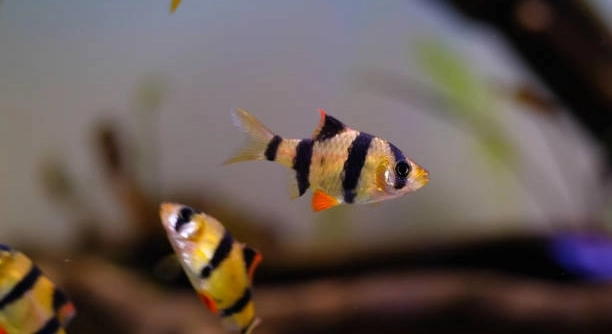
Do your tiger barbs seem to ignore one another or swim apart more than usual in your home aquarium setup?
Tiger barbs might avoid each other due to stress, illness, poor tank conditions, or an imbalanced group dynamic. These factors disrupt their natural schooling behavior, causing individuals to isolate or show less social interaction than expected.
Understanding why this behavior occurs can help you create a healthier environment for your fish and support better group bonding in the tank.
Stress and Poor Tank Conditions
Tiger barbs are active fish that thrive in stable, well-maintained environments. When the tank conditions are off—such as incorrect temperature, poor water quality, or lack of space—they can become stressed and distant from one another. This stress often leads them to separate or behave unusually. Crowded tanks or sudden changes in the environment can also make them anxious. Since they’re naturally social, any disruption in their habitat can have a quick effect on their group dynamics. Regular maintenance, good filtration, and a consistent temperature help create a space where tiger barbs feel safe and secure. Watching for subtle signs of stress, like faded colors or reduced movement, can also help.
Even slight changes in pH or ammonia can create discomfort for your fish and lead them to isolate themselves from others.
Keeping a close eye on water parameters and tank stability is key. When your tank feels safe and clean, your tiger barbs are more likely to school closely and swim with energy. Avoid overcrowding, keep lighting steady, and feed them at consistent times. Adding plants or hiding spots can help reduce anxiety, especially for new or shy individuals. With calm surroundings, your tiger barbs will have fewer reasons to avoid one another.
Group Dynamics and Hierarchy
Tiger barbs are social fish, but they can develop group imbalances if their numbers are too small or uneven.
In a small group, tiger barbs may become more aggressive, especially if there’s an uneven mix of sizes or personalities. These fish rely on group behavior for comfort, and when the group is too small—fewer than six, for instance—they may become territorial or shy. Some barbs will chase others or try to dominate the group, pushing the more passive ones to swim away or hide. Adding more barbs to the tank often helps balance their behavior. A larger group spreads out aggression and encourages more natural schooling. It’s also helpful to ensure that all barbs are similar in size and health, so no individual becomes a target. If some fish are injured or weak, the stronger ones may avoid them. By keeping the group size healthy and well-matched, you give your tiger barbs the structure they need to behave socially and stay close to one another.
Illness and Injury
When a tiger barb is sick or injured, it often isolates itself from the group. This behavior is common and can be a sign that something is physically wrong. Other fish may also avoid the sick individual.
Illnesses like fin rot, ich, or internal infections can cause tiger barbs to act differently. You might notice them hovering in one spot, hiding more than usual, or refusing to eat. These signs usually mean the fish is unwell and is either keeping away from the group or being left out by the others. Injury, such as torn fins from fighting, can also lead to similar behavior. If left untreated, both illness and injury can worsen and affect the entire tank. Spotting these changes early and treating the fish promptly can help restore social balance in the group and prevent more serious health issues for the other barbs.
Quarantining a sick or injured barb in a separate tank can be helpful. This gives the fish space to heal and prevents stress in the main tank. Clean water, medication (if needed), and a quiet environment all support recovery. Once the fish starts behaving normally and regains energy, it can often return to its group. Regular health checks help prevent this kind of isolation.
Incompatible Tank Mates
Tiger barbs are known for their bold behavior, but they can become withdrawn around tank mates that are too aggressive or too passive. This mismatch can make them feel unsafe.
When tiger barbs share a tank with slow-moving or long-finned fish, like angelfish or bettas, tension often builds. Barbs may either nip at their tank mates or become stressed from their reactions. If placed with overly aggressive species, tiger barbs can end up hiding or isolating themselves due to fear. This changes how they interact with their own group. Choosing active, fast-moving fish that can keep up with tiger barbs helps reduce tension. Fish like danios or rasboras tend to be better suited. Creating enough space and adding plants or hiding spots also helps reduce conflict. Observing how fish interact early on lets you spot signs of trouble and make changes before problems grow. Balanced tank communities support healthier social behavior among tiger barbs.
Breeding Behavior
During breeding, tiger barbs may act more territorial and separate themselves from the rest of the group. This shift is temporary and part of their natural mating process.
Males often chase females or claim certain areas of the tank. These changes in movement and grouping usually pass once breeding ends.
Lack of Stimulation
When tiger barbs feel bored or unstimulated, they may lose interest in social behavior. Without plants, hiding spots, or toys, they become less active and may isolate themselves. Keep the tank visually engaging with different textures and places to explore. Movement and variety help them stay active and connected.
Sudden Environmental Changes
Rapid shifts in lighting, temperature, or tank layout can cause tiger barbs to scatter or avoid each other. They need time to adjust to changes.
FAQ
Why are my tiger barbs staying in one corner of the tank?
Tiger barbs may group in one corner when they feel unsafe or stressed. This can happen due to poor water conditions, aggressive tank mates, or sudden environmental changes. It can also be caused by low oxygen levels or an imbalance in group size. When they don’t feel comfortable, they stick together for safety. Check your water parameters, tank size, and stocking levels to correct the issue. Improving tank stability and adding hiding spaces or plants can encourage them to spread out and swim more freely. A calm, well-maintained environment helps reduce this behavior.
Can tiger barbs become depressed or lonely?
While fish don’t experience emotions in the same way humans do, tiger barbs can show signs of withdrawal when they’re kept alone or in too-small groups. These fish are naturally social and need a group of at least six to feel secure. In smaller numbers, they may stop schooling, eat less, or hide more often. Keeping them in a proper group helps maintain their energy and interaction. They also need stimulation—plants, swim space, and compatible tank mates all help prevent this kind of stress. A healthy group dynamic leads to more confident, active behavior.
Do tiger barbs bully each other?
Yes, tiger barbs are known for nipping and chasing, especially if the group size is too small or uneven. In groups of fewer than six, they tend to direct their energy toward each other more aggressively. This behavior can also become worse if the tank is overcrowded or lacks hiding spots. A well-sized group spreads out this energy and keeps interactions more balanced. Try adding more barbs if bullying becomes a problem, and watch for injuries or constant chasing. Rearranging the tank or adding decorations can also help reduce tension.
Can tiger barbs live with other fish peacefully?
Tiger barbs can live peacefully with other fast-moving, similarly sized fish. Good tank mates include danios, rasboras, and some types of tetras. Avoid placing them with slow-moving or long-finned fish like bettas or angelfish. These combinations often lead to fin-nipping or stress. When building a community tank, make sure there’s enough room for all fish to swim freely and hide if needed. Watch how new fish interact for the first few days, and be ready to make adjustments if any tension appears. With the right setup, tiger barbs can do very well in a mixed tank.
How can I tell if a tiger barb is sick?
Look for changes in behavior like isolation, reduced appetite, odd swimming patterns, or changes in color. Physical symptoms might include white spots, fin damage, or swelling. A sick tiger barb may hide more or stop interacting with the group. Quarantine any sick fish to prevent the issue from spreading. Maintaining clean water, feeding high-quality food, and watching closely for early signs of illness all help. Treat issues quickly using aquarium-safe medications and follow proper dosage instructions. A regular care routine is the best way to support their health and prevent disease.
What’s the best tank setup for tiger barbs?
Tiger barbs need a tank that’s at least 20 gallons, though bigger is better. They like open swimming space with plenty of room to move. Include live or artificial plants, rocks, and driftwood for shelter and stimulation. Keep water temperature between 74–79°F, and use a reliable filter to maintain water quality. A consistent light cycle and regular maintenance also help. Avoid sharp objects that could damage their fins. Most importantly, house them in a group of at least six to support their social nature. A balanced environment leads to more natural and healthy behavior.
Final Thoughts
Tiger barbs are lively, social fish that often enjoy swimming together in groups. When they start avoiding each other, it usually means something in their environment isn’t right. Stress, illness, poor water conditions, or a small group size can all cause them to act differently. They rely on group behavior for comfort and safety, so when that behavior changes, it’s important to pay attention. These changes may not always mean something serious, but they’re a useful way to spot early signs of stress or health problems. Even small adjustments in their surroundings can have a strong effect on how they behave.
Creating a calm, stable tank environment makes a big difference. This includes regular water changes, good filtration, and keeping the temperature and pH levels consistent. A tank with space to swim, hiding spots, and compatible tank mates also supports better behavior. Keeping at least six tiger barbs together helps reduce aggression and encourages healthy group activity. When the group is too small or uneven, they can become territorial or withdrawn. By watching your fish closely, you’ll start to notice patterns in their behavior. If something seems off, checking the tank setup is a good first step before looking for other causes.
Understanding why tiger barbs avoid each other helps you take better care of them. Their behavior is closely tied to their surroundings, group size, and health. When their needs are met, they become more active, social, and fun to watch. Taking the time to make sure everything in the tank supports their well-being leads to a more peaceful and balanced aquarium. These fish are beautiful and full of energy, but they rely on their environment to thrive. With regular care and a little attention to detail, your tiger barbs will likely stay healthy and swim together just the way they should.

Hello,
If you enjoy the content that we create, please consider saying a "Thank You!" by leaving a tip.
Every little bit helps us continue crafting quality advice that supports the health, happiness, and well-being of pets around the world, for pets of all shapes, sizes, and species.
We really appreciate the kindness and support that you show us!