
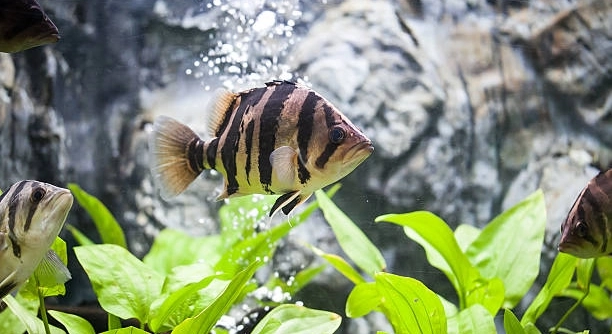
Tiger barbs are popular aquarium fish known for their lively behavior and bright colors. Feeding them the right foods helps keep them healthy and active. Understanding their favorite foods can make caring for them easier and more rewarding.
Tiger barbs thrive on a varied diet that includes high-quality flakes, pellets, live or frozen bloodworms, brine shrimp, daphnia, and finely chopped vegetables. These foods provide essential nutrients for their growth, color, and overall well-being in captivity.
Knowing which foods your tiger barbs enjoy most can improve their health and brighten their appearance. This guide will highlight seven foods they love instantly to help you create a balanced diet.
High-Quality Flakes and Pellets
High-quality flakes and pellets form the base of a tiger barb’s diet. These commercial foods are designed to meet their nutritional needs and are convenient to use. Flakes often contain essential vitamins, minerals, and proteins that promote healthy growth and vibrant colors. Pellets are denser and can be better suited for larger tiger barbs or those that prefer sinking food. Feeding a balanced amount daily keeps your fish energetic and healthy. It’s important to choose brands made specifically for tropical fish to avoid fillers that offer little nutrition. Overfeeding should be avoided, as it can lead to water quality problems. Regularly rotating between flakes and pellets helps keep their diet interesting and balanced.
Flakes and pellets are easy to store and provide a reliable source of nutrients. They are practical for everyday feeding and form the foundation of tiger barbs’ diets.
Incorporating these foods properly supports their immune system and overall condition. When combined with other foods, flakes and pellets ensure tiger barbs get everything they need to thrive in an aquarium environment.
Live and Frozen Bloodworms
Live and frozen bloodworms are excellent treats that tiger barbs often enjoy. Bloodworms are rich in protein, which supports muscle development and activity levels. They stimulate natural hunting instincts and encourage more dynamic behavior, which can be a sign of healthy fish. Offering bloodworms occasionally adds variety to their diet and can help maintain their appetite, especially if flakes or pellets become less appealing. When feeding live bloodworms, it’s best to source them from reliable suppliers to avoid introducing diseases. Frozen bloodworms are a safe alternative, easy to store, and just as nutritious. Feeding bloodworms two to three times a week is sufficient to supplement their diet without risking overfeeding or water contamination. Regular use of bloodworms supports tiger barbs’ physical condition and enhances their natural colors, making them a popular choice for fishkeepers looking to improve their fish’s health and appearance.
Brine Shrimp
Brine shrimp are a highly nutritious food loved by tiger barbs. They provide essential proteins and fats that support growth and energy. Both live and frozen forms are commonly used in aquariums.
Brine shrimp are rich in protein, making them an excellent choice to promote muscle development and overall health in tiger barbs. Their small size encourages natural hunting behavior, helping to keep fish active and engaged. Live brine shrimp offer the most nutritional value, but frozen or freeze-dried versions are convenient and still beneficial. Feeding brine shrimp regularly enhances the fish’s coloration and vitality. Care should be taken to avoid overfeeding, which can affect water quality. These shrimp help balance the diet and add important nutrients that flakes or pellets might lack.
Introducing brine shrimp to your tiger barbs’ diet occasionally ensures they receive varied nutrition. Their presence stimulates natural instincts and contributes to a healthy, vibrant aquarium environment.
Daphnia
Daphnia are small freshwater crustaceans often used as a natural food source for tiger barbs. They are easily digestible and rich in nutrients that support digestion and immune function. Feeding daphnia also encourages natural foraging behavior.
Including daphnia in the diet of tiger barbs provides fiber and protein, which can improve digestion and reduce the risk of constipation. Their movement in the water attracts the fish, making feeding time more stimulating and engaging. Daphnia are especially useful when fish show reduced appetite for regular flakes or pellets. They can be offered live or frozen, and it’s important to source them from reliable suppliers to maintain aquarium health. Regular feeding of daphnia supports the overall well-being of tiger barbs and helps maintain their active behavior. This food source contributes to a balanced diet by adding variety and essential nutrients not always found in commercial feeds.
Finely Chopped Vegetables
Finely chopped vegetables add important vitamins and fiber to tiger barbs’ diets. Common options include peas, spinach, and zucchini, which support digestion and overall health.
Vegetables should be prepared in small pieces to avoid choking and make them easier to eat. Feeding vegetables occasionally balances their protein-heavy diet and provides variety.
Mosquito Larvae
Mosquito larvae are a natural and protein-rich food source for tiger barbs. They encourage natural hunting behavior and help maintain fish vitality in captivity.
Spirulina
Spirulina is a type of blue-green algae often used as a supplement in fish diets. It enhances color and supports the immune system.
Bloodworms as Treats
Bloodworms are best used occasionally as treats to avoid water contamination and overfeeding issues. They keep tiger barbs interested in feeding.
What is the best diet for tiger barbs?
The best diet for tiger barbs includes a mix of high-quality flakes or pellets and occasional live or frozen foods like bloodworms, brine shrimp, and daphnia. This balanced approach provides essential nutrients, supports their growth, and keeps them active. Adding finely chopped vegetables helps with digestion and overall health. Feeding a variety of foods ensures tiger barbs receive proteins, vitamins, and minerals necessary for vibrant colors and strong immune systems.
How often should I feed my tiger barbs?
Feeding tiger barbs two to three times a day in small amounts is ideal. It’s important not to overfeed since leftover food can pollute the water and harm fish health. Each feeding should consist of what they can consume within two to three minutes. This helps maintain water quality and encourages natural foraging behavior. Treats like bloodworms or brine shrimp can be given two to three times per week as a supplement, not as a staple.
Can tiger barbs eat live food only?
While tiger barbs can eat live food, relying on it exclusively is not recommended. Live foods such as bloodworms and brine shrimp provide high protein and stimulate natural hunting instincts, but they don’t supply all the vitamins and minerals needed. A diet based only on live foods may lead to nutritional imbalances. Combining live food with commercial flakes or pellets ensures a complete and healthy diet.
Are frozen foods good for tiger barbs?
Frozen foods are a convenient and nutritious option for feeding tiger barbs. Frozen bloodworms, brine shrimp, and daphnia retain much of their nutritional value when properly stored. They reduce the risk of introducing parasites or diseases compared to some live foods. Thaw frozen foods before feeding and remove any uneaten portions quickly to maintain aquarium cleanliness.
What vegetables can tiger barbs eat?
Tiger barbs enjoy finely chopped peas, zucchini, spinach, and cucumber. These vegetables provide fiber and vitamins that support digestion and general health. Make sure to blanch or soften harder vegetables before feeding to avoid choking. Offer vegetables sparingly as a supplement to their protein-based diet, ensuring balance.
How do I prevent overfeeding?
To prevent overfeeding, feed small portions that your tiger barbs can consume in about two to three minutes. Remove any uneaten food promptly to maintain water quality. Stick to a regular feeding schedule and avoid feeding whenever you check on the fish. Overfeeding can cause obesity, poor water conditions, and increased algae growth.
Can tiger barbs eat flakes only?
Tiger barbs can survive on flakes alone, but this isn’t ideal for their long-term health. High-quality flakes provide basic nutrition but lack the variety and enrichment of live or frozen foods. Supplementing flakes with protein-rich foods and vegetables improves health, coloration, and behavior.
Is it necessary to vary their diet?
Varying the diet of tiger barbs is important to provide complete nutrition and prevent boredom. Different foods supply different vitamins and minerals. Variety also encourages natural feeding behaviors and reduces the risk of selective eating, which can lead to deficiencies.
How do I introduce new foods to tiger barbs?
Introduce new foods gradually by mixing small amounts with their regular diet. Observe how they respond and check for any leftover food after feeding. Slowly increase the portion of new foods over several days. This helps prevent digestive issues and encourages acceptance.
What foods should be avoided for tiger barbs?
Avoid feeding tiger barbs processed human foods, bread, or anything high in starch or sugar. Also, steer clear of foods treated with pesticides or contaminants. Some live foods from unreliable sources may carry parasites or bacteria harmful to fish. Always source live or frozen foods from trusted suppliers.
Feeding tiger barbs the right foods is important for their health and happiness. A balanced diet made up of high-quality flakes or pellets, along with live or frozen foods like bloodworms and brine shrimp, helps these fish stay active and colorful. Adding vegetables such as peas and spinach provides necessary vitamins and fiber that support digestion. Feeding a variety of foods ensures tiger barbs get the nutrients they need for good growth and strong immune systems. It also keeps their diet interesting, which can encourage natural behavior and prevent boredom.
It’s important to feed tiger barbs in small amounts, two to three times a day, making sure they finish their food within a few minutes. Overfeeding can harm the fish and cause water problems in the tank. Treats like bloodworms or brine shrimp should be given occasionally, not every day, to keep the diet balanced. Introducing new foods gradually helps the fish adjust without upsetting their digestion. Using frozen foods is a safe way to add variety while reducing risks of disease from live foods. Vegetables should be softened or finely chopped to make them easy to eat and digest.
Overall, understanding what tiger barbs like to eat and how to feed them properly will improve their health and make caring for them easier. Providing a balanced diet that includes both protein-rich foods and vegetables supports their natural colors and energy levels. Regular feeding routines and careful portion control help maintain good water quality and reduce stress. With the right foods and care, tiger barbs can live longer and show off their bright patterns beautifully in your aquarium. Paying attention to their diet is one of the best ways to ensure they thrive in a home tank.

Hello,
If you enjoy the content that we create, please consider saying a "Thank You!" by leaving a tip.
Every little bit helps us continue crafting quality advice that supports the health, happiness, and well-being of pets around the world, for pets of all shapes, sizes, and species.
We really appreciate the kindness and support that you show us!