
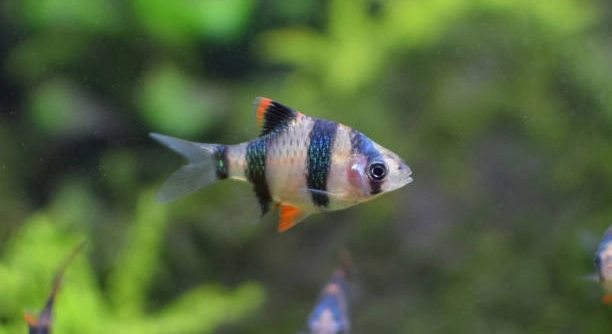
Tiger Barbs are popular aquarium fish known for their bright colors and active behavior. Many fishkeepers notice that their colors can change depending on different situations. Understanding these color changes helps in caring for them better.
Tiger Barbs do show dominance through color changes. Dominant individuals often display brighter and more intense colors, while submissive fish tend to have duller hues. This color variation serves as a visual signal within social hierarchies in their groups.
Learning about how Tiger Barbs use color to communicate can improve how you manage their tank environment and social dynamics. This knowledge helps keep the fish healthy and balanced.
Color Changes in Tiger Barbs
Tiger Barbs often change color depending on their mood and social position. When a fish feels stressed or scared, its colors usually become duller. On the other hand, when a Tiger Barb feels confident or wants to show dominance, its colors brighten and become more vivid. These changes happen because the fish’s body controls pigment cells that react to different signals. Watching these shifts can tell you a lot about the fish’s current state. For example, if one fish suddenly looks much brighter than the others, it may be trying to assert its dominance. Color changes can also indicate health issues, so it’s important to monitor your fish regularly. Keeping the tank clean and stress-free helps maintain the natural colors of Tiger Barbs, making it easier to see their true behavior and social signals.
Color change in Tiger Barbs is a natural way for them to communicate status within their group and respond to their environment.
Understanding these signals can help you keep peace in your aquarium by knowing when a fish is stressed, happy, or trying to lead.
Dominance Behavior in Groups
Tiger Barbs live in groups where social order is important. Dominant fish often use their bright colors as a way to stand out and show their position. This is not just for other fish but also helps reduce fighting by clearly showing who is in charge. Submissive fish usually keep a lower profile with duller colors to avoid conflict. This natural behavior helps the group stay balanced and prevents serious injuries. Dominance can also be seen in body language, like chasing or nipping, but color is a less aggressive way to communicate. It’s common for dominance to shift over time, especially in tanks with several fish. Watching these changes can be interesting and useful for tank management. Making sure the aquarium has enough space and hiding spots can reduce stress and help all fish feel secure.
Observing how Tiger Barbs show dominance through color and behavior provides insight into their social needs and helps maintain harmony.
Factors Affecting Color Intensity
Several factors influence how bright Tiger Barbs’ colors appear. Lighting, water quality, diet, and stress levels all play important roles. Bright lighting can enhance their colors, while poor water or lack of nutrition can dull them.
Good water quality is essential for healthy color. Clean water helps fish maintain their natural brightness and stay vibrant. If water conditions worsen, colors fade quickly as the fish become stressed or ill. Feeding a varied diet rich in carotenoids, like certain flakes or live foods, supports their coloration. Stress from overcrowding or aggressive tank mates also causes color loss. Reducing stress by providing enough space and compatible companions keeps their colors vivid. Paying attention to these factors ensures your Tiger Barbs look their best over time.
Even slight changes in their environment can shift the intensity of their colors. Maintaining stable conditions helps them display bright, healthy hues consistently.
Color intensity also varies with age and mood. Younger fish usually have less intense colors until they mature. During breeding or moments of high activity, colors often deepen. These natural shifts are normal but should be supported by good care. Monitoring your tank environment and fish behavior helps you understand when color changes are healthy or signs of a problem.
Impact of Tank Environment on Dominance Displays
The tank environment shapes how Tiger Barbs show dominance. Small tanks or overcrowding increase stress and aggression, causing more intense color changes and fighting. A well-planned aquarium with plenty of hiding places and open swimming areas reduces tension. Plants, rocks, and decorations create territories and safe spots, lowering aggression. Proper tank size lets dominant and submissive fish coexist without constant conflict, balancing color displays naturally. Temperature and lighting also affect behavior; stable, appropriate conditions prevent unnecessary stress that can trigger dominance struggles. Adjusting the environment thoughtfully helps maintain peaceful social order and natural color signals.
Recognizing Dominance Through Behavior
Dominance in Tiger Barbs is often shown through body language. Bright colors usually come with more assertive actions like chasing or nipping. These behaviors help establish social rank without serious harm.
Submissive fish avoid confrontation by staying quieter and showing duller colors. They often hide or swim away to reduce conflict and stress in the tank.
Breeding and Color Intensity
During breeding, dominant males display their brightest colors to attract females and warn rivals. This color boost signals health and vitality. Females usually have less intense colors, focusing on egg care. In some cases, non-dominant males may try to mimic dominant colors to compete, but this is less common. Maintaining good conditions during breeding helps fish show natural color patterns without added stress.
Color and Health
Dull or faded colors can be a sign of poor health in Tiger Barbs. Keeping them healthy means paying attention to their environment and diet.
How can I tell if my Tiger Barb is showing dominance through color?
Dominant Tiger Barbs usually have brighter, more vivid colors compared to others in the tank. They may also swim more confidently and chase other fish gently to assert their position. Look for a combination of color intensity and behavior to recognize dominance clearly.
Why do some Tiger Barbs suddenly lose their bright colors?
Color fading often happens when a fish is stressed, sick, or living in poor water conditions. Changes like overcrowding, temperature swings, or improper diet can cause this. Regular water testing and tank maintenance can help keep colors bright and fish healthy.
Can lighting in my tank affect the color of Tiger Barbs?
Yes, lighting plays a big role. Bright, full-spectrum lighting can enhance their natural colors and make them appear more vibrant. Too little light or harsh, unnatural lighting can dull their colors and make it hard to see dominance signals.
Does diet influence Tiger Barb coloration?
Absolutely. A balanced diet rich in carotenoids, vitamins, and proteins helps maintain bright colors. Foods like spirulina flakes, brine shrimp, or bloodworms support pigmentation. Avoid feeding only generic flakes, as this can lead to dull colors over time.
Is it normal for Tiger Barbs to change colors during breeding?
Yes, during breeding, dominant males show more intense colors to attract females and warn rivals. This natural color boost is temporary but important for successful mating. Females usually have less vivid colors as they focus on protecting eggs.
How does tank size impact dominance and color display?
Smaller tanks can cause stress and crowding, increasing aggressive behavior and fluctuating colors. Larger tanks with plenty of space and hiding spots reduce stress and allow natural dominance displays through color without constant fighting.
Can other fish in the tank affect my Tiger Barbs’ colors?
Yes, aggressive or overly dominant tank mates can stress Tiger Barbs, leading to dull colors. Fish that compete for food or territory may also affect their behavior and color expression. Choose compatible species to keep stress low.
What are signs that a Tiger Barb is stressed, besides color changes?
Besides dull colors, stressed Tiger Barbs may hide more, lose appetite, swim erratically, or show rapid gill movement. Observing behavior alongside color changes helps catch stress early and prevent illness.
Can age affect the color of Tiger Barbs?
Yes, younger Tiger Barbs often have less intense colors, which become brighter as they mature. Older fish might lose some brightness naturally, but sudden fading in adults can indicate health problems.
How often should I monitor my Tiger Barbs’ color and behavior?
Daily observation is best to catch any changes early. Spotting shifts in color or behavior quickly helps address problems before they worsen. Consistent care improves overall fish health and color display.
What should I do if my Tiger Barbs are constantly aggressive and showing strong dominance?
Consider increasing tank size or adding more hiding spots. Sometimes adding more fish can spread out aggression, but overcrowding may worsen it. Monitor water quality and diet as well, since stress can increase aggression and affect color.
Are there specific water parameters that support vibrant colors in Tiger Barbs?
Yes, keeping water temperature around 74-79°F (23-26°C), pH between 6.5 and 7.0, and soft to moderately hard water helps. Stable parameters reduce stress and support natural coloration and behavior.
Do Tiger Barbs ever change color because of illness?
Yes, infections, parasites, or poor health often cause faded or patchy colors. If colors dull suddenly and the fish shows other signs like lethargy or loss of appetite, it’s time to check water quality and consider treatment.
Can stress from frequent tank changes affect Tiger Barb colors?
Yes, frequent or abrupt tank changes can stress fish, causing color loss and erratic behavior. Gradual changes and acclimation reduce stress, helping fish keep their natural colors and calm behavior.
How important is social structure for Tiger Barb color expression?
Very important. Stable social groups allow clear dominance signals through color. Frequent disruptions, like adding or removing fish, can upset this balance and lead to dull colors or increased aggression.
These questions cover common concerns about Tiger Barb colors and dominance. Paying attention to their environment, diet, and social setting helps keep their colors bright and behavior healthy. Regular care and observation are key to understanding and supporting these colorful fish.
Tiger Barbs use color as an important way to communicate with each other. Their colors often change depending on their mood, health, and social status. When a Tiger Barb feels dominant, it usually shows brighter and more intense colors. On the other hand, fish that feel stressed or submissive tend to have duller colors. This natural behavior helps them establish social order within their group without too much fighting. Understanding this can help you better care for your fish and keep your tank peaceful.
The environment of the tank plays a big role in how Tiger Barbs show their colors. Good water quality, proper lighting, and a healthy diet all support bright and vivid colors. Stress from overcrowding or aggressive tank mates can cause the fish to lose their natural color. Giving your fish enough space and hiding spots reduces tension and helps maintain a calm atmosphere. By keeping these factors in mind, you create the best conditions for your Tiger Barbs to thrive and display their natural beauty.
Watching your Tiger Barbs and noticing changes in their color and behavior can give you valuable information about their well-being. If a fish suddenly becomes dull or hides a lot, it may be a sign of stress or illness. Regular care, including water checks and balanced feeding, is important for their health. Remember, bright colors don’t just look good—they are a sign of a happy and healthy fish. Paying attention to these details will help you enjoy a lively and colorful aquarium.

Hello,
If you enjoy the content that we create, please consider saying a "Thank You!" by leaving a tip.
Every little bit helps us continue crafting quality advice that supports the health, happiness, and well-being of pets around the world, for pets of all shapes, sizes, and species.
We really appreciate the kindness and support that you show us!