
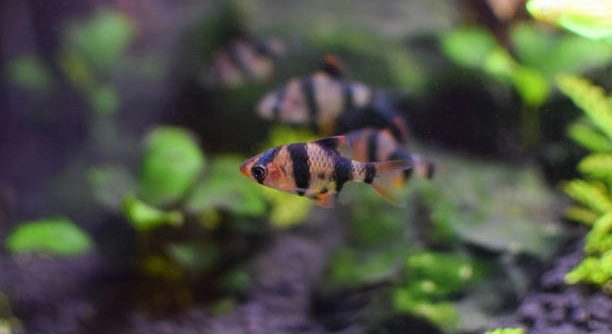
Tiger Barbs are popular freshwater fish known for their vibrant colors and active nature. Many fishkeepers observe their behavior closely to understand how these fish adapt to different conditions, including nighttime. Their activity patterns can influence how they interact within the aquarium.
Tiger Barbs do change their behavior at night by becoming less active and more cautious. They tend to reduce swimming and seek shelter, which is a natural response to lower light levels and potential predators in the wild. This shift helps them conserve energy and stay safe during dark hours.
Recognizing these changes can improve how you care for your fish and create a more comfortable environment for them.
How Tiger Barbs Behave During the Day
During the daytime, Tiger Barbs are very active and social fish. They swim around the tank in groups, often chasing each other playfully. Their bright colors become more vivid under the light, making them a lively addition to any aquarium. They spend much of the day exploring their environment, searching for food, and establishing social order within the school. This behavior helps them stay alert and responsive to changes in their surroundings. You will often see them interacting with tank mates and exploring plants or decorations. They are also more likely to compete for food during the day, which is normal for this species. Understanding their daytime habits helps in providing proper tank conditions and feeding schedules, ensuring their health and happiness.
Tiger Barbs need plenty of space and hiding spots to feel secure and avoid stress.
Feeding them during the day when they are active allows them to digest food properly and maintain their energy for swimming and social interaction.
Why Nighttime Behavior Changes Matter
At night, Tiger Barbs shift their behavior for safety and rest. Their activity slows down, and they often seek shelter among plants or decorations. This rest period is essential for their health and overall well-being. Without a clear day-night cycle, their natural rhythms can be disrupted, causing stress or illness. Ensuring the tank has shaded areas or caves helps them feel protected during these hours. It also mimics their natural environment where predators are more active at night. Maintaining a regular lighting schedule supports their natural cycle, helping them stay calm and reducing aggression within the tank. Observing these changes can help you recognize if your fish are healthy or if the tank setup needs adjustment. Proper care during nighttime supports a balanced and peaceful aquarium environment.
How Lighting Affects Tiger Barb Behavior
Lighting plays a key role in Tiger Barbs’ activity levels. Bright light encourages more movement and interaction, while dimmer light signals them to rest or hide.
Proper lighting simulates their natural habitat, which has a regular cycle of day and night. Sudden changes or too much light at night can confuse them, leading to stress or unusual behavior. Using a timer for aquarium lights ensures consistent periods of light and darkness. This helps Tiger Barbs maintain their natural rhythms and reduces aggression during nighttime hours.
Adjusting the lighting to suit their needs supports healthy behavior and overall well-being. Soft lighting at night helps them feel secure and encourages natural resting patterns, which are important for long-term health.
Feeding and Nighttime Activity
Feeding schedules influence how active Tiger Barbs are at night. If they are fed late or irregularly, they may stay active searching for food.
Feeding them during the day when they are naturally more active supports better digestion and rest at night. Overfeeding or feeding just before lights go out can cause uneaten food to spoil, impacting water quality and fish health. Keeping a regular feeding routine helps maintain balanced energy levels and reduces nighttime restlessness.
Proper feeding not only supports their natural behavior but also improves tank conditions. Watching their feeding habits helps ensure they get enough nutrition without excess waste affecting their environment.
Tank Environment and Night Behavior
A well-decorated tank with plants and hiding spots helps Tiger Barbs feel safe at night. They use these areas to rest and avoid stress.
Clear water and stable conditions are important. Poor water quality can make them restless and affect their nighttime behavior.
Social Behavior After Dark
Tiger Barbs tend to form tighter groups at night, staying close to each other for security. This natural instinct helps them feel safer from potential threats. They are less likely to chase or nip at tank mates during this time, showing calmer interactions overall.
Signs of Stress in Nighttime Behavior
Unusual restlessness, constant hiding, or erratic swimming at night can indicate stress or illness. Monitoring these signs early helps prevent bigger problems.
Tank Lighting Tips for Nighttime
Using low or red lighting at night helps maintain a natural day-night cycle and keeps Tiger Barbs comfortable.
Do Tiger Barbs sleep at night?
Yes, Tiger Barbs do sleep at night, but not in the same way humans do. They enter a restful state where their activity slows down significantly. They often stay still or hide among plants and decorations. This rest helps them conserve energy and stay healthy. Unlike mammals, fish don’t close their eyes, but their behavior shows clear periods of rest during dark hours.
How can I tell if my Tiger Barbs are stressed at night?
Signs of stress include constant hiding, erratic swimming, and loss of appetite. If your fish appear restless or keep darting around the tank at night, it may be a sign of stress. Poor water quality, incorrect lighting, or sudden changes in the environment can cause these behaviors. Regularly testing water parameters and maintaining a stable environment helps reduce stress.
Should I feed Tiger Barbs at night?
It’s best to feed Tiger Barbs during the day when they are most active. Feeding at night can cause uneaten food to rot, which harms water quality. Also, Tiger Barbs tend to rest at night and may not eat well. A consistent daytime feeding schedule helps them maintain energy and good digestion.
Do Tiger Barbs become more aggressive at night?
Generally, Tiger Barbs become less aggressive at night. They often form tighter groups and reduce chasing or nipping behavior. Nighttime is usually a calmer period for them as they focus on resting and staying safe. If aggression persists at night, it might indicate stress or overcrowding.
What kind of tank setup is best for Tiger Barbs at night?
Providing plenty of hiding spots, like plants, rocks, or caves, helps Tiger Barbs feel secure. Soft lighting or a night light mimics natural conditions and reduces stress. Keep the water clean and stable, as poor water quality can disrupt their nighttime behavior. A well-maintained tank with a regular light cycle supports their natural rhythms.
Can Tiger Barbs see in the dark?
Tiger Barbs don’t see well in complete darkness, which is why they reduce activity at night. They rely on low light to navigate their environment. This limited vision helps explain why they seek shelter during dark hours, reducing the risk of injury or predator attacks.
Why do Tiger Barbs group together more tightly at night?
Grouping closely provides safety in numbers, a natural defense against predators. In the wild, staying together helps reduce individual risk. In an aquarium, this instinct remains, making them less likely to stray or behave aggressively after dark. This behavior helps them feel safer and more relaxed.
How does aquarium lighting affect Tiger Barb behavior at night?
Proper lighting signals day and night cycles to Tiger Barbs. Bright lights encourage activity, while dim or no light triggers rest. Using a timer ensures a consistent schedule, which reduces stress and abnormal behavior. Avoid sudden changes or keeping lights on all night to maintain their natural rhythms.
What should I do if my Tiger Barbs don’t rest at night?
If they don’t rest, check water quality, temperature, and lighting. Sudden changes or poor conditions can cause restlessness. Make sure the tank has enough hiding places and the light schedule is consistent. If problems continue, testing for illness or adjusting the tank environment may be necessary.
Are Tiger Barbs nocturnal?
No, Tiger Barbs are not nocturnal. They are diurnal fish, meaning they are most active during the day and rest at night. Their behavior changes at night to conserve energy and avoid threats, aligning with natural daylight cycles. Providing proper lighting helps support this natural pattern.
How long do Tiger Barbs rest at night?
Tiger Barbs usually rest for several hours during the night, depending on the light schedule and tank conditions. They reduce movement and focus on hiding or staying still during this time. A regular day-night cycle helps regulate their rest and overall health. Interruptions to this cycle can affect their behavior.
Can stress during nighttime affect Tiger Barbs’ health?
Yes, stress caused by poor nighttime conditions can weaken their immune system and lead to illness. Consistent lighting, clean water, and proper tank setup reduce stress. Observing their nighttime behavior helps catch problems early and supports long-term health.
Is it normal for Tiger Barbs to hide all night?
Yes, it’s normal for Tiger Barbs to hide at night as a natural behavior for safety and rest. They may stay in plants or decorations until light returns. Providing ample hiding spots makes them feel secure and encourages this healthy resting behavior.
Tiger Barbs show clear changes in behavior between day and night. During daylight, they are active, swimming around and interacting with each other. At night, they become quieter and more cautious, often seeking shelter to rest. This natural pattern helps them conserve energy and stay safe from potential threats. Understanding these behavior changes is important for anyone who keeps Tiger Barbs in an aquarium. It allows you to create a better environment that supports their health and comfort.
Creating a proper tank setup is key to supporting your Tiger Barbs’ natural routines. Providing plenty of plants, decorations, or caves offers them places to hide at night. This helps reduce stress and gives them a sense of security. Consistent lighting also plays an important role. Using a timer to simulate regular day and night cycles helps the fish adjust naturally to their environment. Avoiding bright light at night and feeding during the day helps keep their energy levels balanced. Maintaining good water quality and stable tank conditions further supports healthy behavior.
By paying attention to these simple details, you can ensure your Tiger Barbs live in a comfortable and healthy environment. Observing their behavior will give you clues about their well-being and any issues that need to be addressed. When Tiger Barbs feel safe and their needs are met, they display more natural and calm behavior both day and night. This makes them a more enjoyable and interesting species to keep. Taking the time to understand their nighttime habits improves not only their health but also the overall harmony of your aquarium.

Hello,
If you enjoy the content that we create, please consider saying a "Thank You!" by leaving a tip.
Every little bit helps us continue crafting quality advice that supports the health, happiness, and well-being of pets around the world, for pets of all shapes, sizes, and species.
We really appreciate the kindness and support that you show us!