
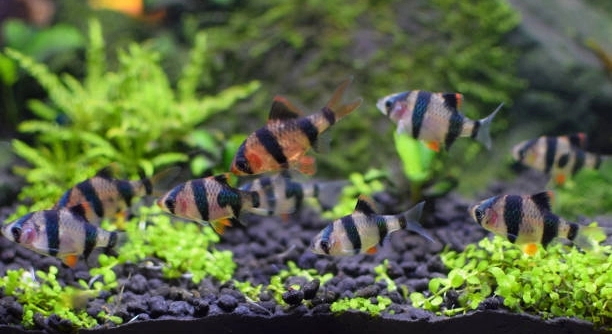
Tiger barbs are lively fish that can show clear signs when they feel scared. Recognizing these signs helps keep them comfortable and healthy in your aquarium. Knowing what to look for makes caring for them easier and more rewarding.
Fear in tiger barbs is typically expressed through behaviors such as hiding, darting movements, loss of coloration, clamped fins, erratic swimming, increased aggression, and refusal to eat. These signs indicate stress and should be addressed promptly to maintain their well-being.
Identifying these behaviors early ensures a safer environment for your fish and helps prevent long-term health problems. The following guide explains the most common signs to watch for in your tiger barbs.
Hiding Behavior in Tiger Barbs
When tiger barbs feel frightened, one of the most common reactions is to hide. They may retreat to plants, decorations, or corners of the tank where they feel safer. This behavior reduces their exposure to perceived threats. If hiding becomes frequent or prolonged, it can indicate ongoing stress. It’s important to check for causes such as sudden changes in water temperature, poor water quality, or aggressive tank mates. Providing plenty of hiding spots like caves and dense plants can help your fish feel more secure. However, if they hide excessively and do not come out for feeding or social interaction, it may be a sign that something is wrong. Regular observation and maintaining a stable environment are essential to reduce fear and encourage natural behavior in tiger barbs.
Hiding is a clear and visible sign of stress. It shows your fish are not comfortable in their current environment.
Keeping an eye on hiding habits will help you identify if there’s an ongoing issue. Ensuring a calm and safe tank will encourage your tiger barbs to be active and healthy. Adjusting tank conditions and checking compatibility with other fish are effective ways to reduce hiding behavior.
Erratic Swimming Patterns
Erratic swimming is another common sign that tiger barbs are scared or stressed. They might dart quickly around the tank, crash into objects, or swim in an unusual zigzag pattern. This behavior often results from feeling threatened or overwhelmed by changes in their surroundings. Stress factors like loud noises, sudden movements near the tank, or poor water conditions can trigger erratic swimming. Consistent erratic movements can tire out the fish and cause injury. Observing when and how often this behavior occurs helps identify what triggers fear in your fish. Minimizing disturbances around the tank and maintaining a clean environment can reduce this stress response.
In some cases, erratic swimming might also indicate illness, so it’s important to watch for other symptoms.
Providing a stable and quiet environment will help your tiger barbs swim calmly. Ensuring proper tank setup with enough space and hiding spots reduces stress and promotes natural movement. Addressing water quality and tank mates also helps prevent fear-induced erratic swimming. Keeping your fish comfortable supports their overall health and longevity.
Loss of Coloration
Tiger barbs losing their bright colors is a common fear response. When stressed, their usual vibrant orange and black stripes may fade noticeably.
This loss of coloration happens because stress affects their immune system and overall health. When fish feel threatened or uncomfortable, their bodies reduce pigment production as a way to conserve energy. Poor water quality, sudden changes in temperature, or aggressive tank mates often cause this. It’s important to regularly test the water and maintain stable conditions. Also, watch for bullying from other fish, which can increase stress and color loss. Restoring a calm environment and good water parameters usually helps colors return over time.
Color fading is not always permanent but should be taken seriously. If ignored, it can lead to weakened immunity and illness. Providing a peaceful tank with consistent care encourages your tiger barbs to regain their natural coloration.
Clamped Fins
Clamped fins occur when a tiger barb holds its fins close to the body, signaling discomfort or fear. It’s a subtle but important sign to watch.
This behavior is often linked to poor water conditions, sudden temperature drops, or illness. Clamping reduces surface area to protect the fish and conserve energy when feeling vulnerable. Frequent fin clamping suggests ongoing stress or health problems. Make sure the tank water is clean and stable, with proper filtration and temperature control. Observe for other symptoms like lethargy or loss of appetite, which might require intervention. Reducing tank stressors, like overcrowding or aggressive fish, also helps. Addressing these issues promptly supports your tiger barbs’ recovery and comfort in their environment.
Increased Aggression
Fear can cause tiger barbs to act more aggressively than usual. They might nip at tank mates or chase others around the aquarium.
This behavior often arises when fish feel threatened and try to defend themselves. Overcrowding or lack of hiding spots can worsen aggression.
Refusal to Eat
A frightened tiger barb may stop eating or show little interest in food. This is a clear sign of stress or illness that should not be ignored.
Reduced appetite can weaken the fish quickly, so it’s important to identify and fix the cause, whether it’s water quality, tank mates, or environmental changes.
Erratic Swimming
Erratic swimming can indicate fear or discomfort. Fish may dart suddenly or swim in unusual patterns, which often points to stress or illness.
Watching for these movements helps catch problems early and improves your fish’s chances of recovering quickly.
Social Withdrawal
When scared, tiger barbs may isolate themselves from the group. They stay away from other fish and hide more often, showing signs of discomfort.
How can I tell if my tiger barbs are scared?
Signs of fear in tiger barbs include hiding, loss of color, clamped fins, erratic swimming, aggression, refusal to eat, and social withdrawal. These behaviors show the fish feel stressed or threatened. Watching for sudden changes in activity or appearance helps identify fear early, so you can improve their environment.
What causes fear in tiger barbs?
Fear is usually caused by changes in their environment, poor water quality, aggressive tank mates, overcrowding, loud noises, or sudden movements near the tank. Even small shifts in temperature or lighting can stress them. Keeping a stable, clean tank and choosing compatible fish reduces fear.
Is hiding always a bad sign?
Not necessarily. Tiger barbs sometimes hide naturally, especially if they need rest or protection. However, if hiding is constant or prolonged, it usually means the fish are stressed or scared. Too much hiding can affect their health because they may avoid food or social interaction.
What should I do if my tiger barbs stop eating?
Loss of appetite is a serious sign of stress or illness. Check water parameters first, as poor quality is a common cause. Look for signs of bullying or illness and remove aggressive tank mates if needed. Offering a variety of healthy foods can help stimulate their appetite.
Can aggression in tiger barbs be reduced?
Yes. Providing enough space, hiding spots, and a well-maintained tank helps lower stress. Avoid overcrowding and ensure compatible fish species are housed together. Sometimes adding more tiger barbs helps spread aggression among their own kind rather than other fish.
Why do tiger barbs lose their color?
Stress from fear or illness causes pigment loss. Poor water conditions, bullying, or sudden environmental changes can trigger this. Faded colors indicate the fish’s immune system is weakened, so addressing stressors quickly is important for recovery.
How often should I check the water quality?
Regular checks are essential, ideally once a week. Testing for ammonia, nitrite, nitrate, pH, and temperature helps keep the environment safe. Clean water reduces stress and fear, promoting healthier behavior and appearance.
Can changes in lighting affect tiger barbs’ fear levels?
Yes, sudden changes or overly bright lights can scare them. Using consistent lighting with gradual transitions mimics their natural habitat and reduces stress. Providing shaded areas and plants also helps fish feel more secure.
Are there signs of illness that look like fear?
Some illness symptoms, like clamped fins or erratic swimming, overlap with fear behaviors. Watching for additional signs like white spots, lethargy, or rapid breathing helps distinguish illness from stress. If unsure, consult a vet or fish specialist.
What tank mates work best with tiger barbs?
Choosing peaceful but active fish that can handle the tiger barbs’ semi-aggressive nature is key. Good options include danios, rasboras, and some larger tetras. Avoid slow-moving or long-finned fish, as they may be targets of nipping and increase stress.
How can I create a less stressful environment?
Keep the tank clean, stable, and well-planted. Provide hiding spots like caves and dense vegetation. Avoid sudden changes in water or lighting and limit loud noises near the tank. Ensure proper space and compatible fish to reduce competition and fear.
Can fear lead to health problems in tiger barbs?
Yes, prolonged fear weakens the immune system and can lead to infections, parasites, or other illnesses. Stress also affects growth and reproduction. Preventing fear through good care supports your fish’s long-term health.
What should I do if I notice constant erratic swimming?
First, test water quality and check for any sudden changes in the tank. Remove aggressive fish and reduce disturbances around the aquarium. If the behavior continues, consider consulting a specialist to rule out disease or parasites.
Is it normal for tiger barbs to act aggressive sometimes?
Some aggression is normal, especially when establishing territory or during feeding. However, constant or severe aggression is a sign of stress or overcrowding. Managing tank conditions and social dynamics helps keep aggression under control.
Can diet affect my tiger barbs’ stress levels?
Yes, a balanced diet strengthens their immune system and overall health. Providing high-quality flakes, pellets, and occasional live or frozen foods ensures proper nutrition, which helps fish handle stress better.
How do I know if my tiger barbs are comfortable in their tank?
Comfortable tiger barbs swim actively with bright colors, interact socially, and eat regularly. They explore their environment without hiding excessively or showing signs of stress. Consistent behavior like this means they feel safe and secure.
Understanding the signs of fear in tiger barbs is important for anyone who keeps these fish. When tiger barbs show behaviors like hiding, clamped fins, loss of color, or erratic swimming, it means they are stressed or scared. Recognizing these signs early helps you take action to improve their environment and prevent health problems. Fish cannot tell us when they are uncomfortable, so observing their behavior closely is the best way to keep them healthy and happy.
Creating a stable and calm tank environment is key to reducing fear in tiger barbs. This includes maintaining clean water with regular testing and changes, keeping the right temperature, and providing enough space for swimming and hiding. Avoid overcrowding and choose tank mates carefully to prevent aggression. Adding plants and decorations offers safe places where the fish can retreat if they feel threatened. These steps help tiger barbs feel more secure and reduce stress-related behaviors.
Taking care of tiger barbs involves paying attention to both their behavior and their surroundings. When you notice signs of fear, it’s important to respond by checking water quality, adjusting tank conditions, or separating aggressive fish. Feeding a balanced diet and minimizing sudden changes also support their well-being. With proper care, tiger barbs can display their natural colors and lively personalities, making your aquarium a more enjoyable and healthy space for these beautiful fish.

Hello,
If you enjoy the content that we create, please consider saying a "Thank You!" by leaving a tip.
Every little bit helps us continue crafting quality advice that supports the health, happiness, and well-being of pets around the world, for pets of all shapes, sizes, and species.
We really appreciate the kindness and support that you show us!