
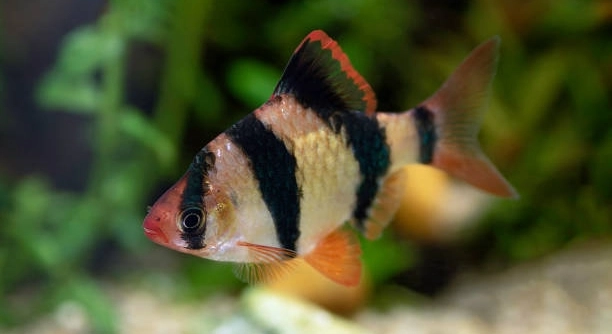
Shy tiger barbs often hide in the corners of the tank, making it hard to enjoy their full personality. These fish can be cautious by nature, especially in new or busy environments. Helping them feel safe encourages more interaction.
The best way to help a shy tiger barb open up is to create a calm, stable environment with plenty of hiding spots. Gradual interaction and consistent feeding schedules build trust and reduce stress, allowing the fish to become more confident over time.
Understanding these simple steps can transform your tank dynamics and improve your tiger barb’s comfort and behavior. There are practical ways to support their natural tendencies while encouraging more activity.
Creating a Safe Environment
Shy tiger barbs respond well to environments that feel secure and calm. Start by adding plenty of plants and decorations where they can hide and feel protected. Avoid overcrowding the tank with too many fish, which can increase stress and make shy behavior worse. Keep the water clean and stable, as sudden changes in temperature or quality will cause the fish to retreat even more. Dim lighting can also help reduce anxiety. Be patient and avoid tapping on the glass or sudden movements near the tank, as these can frighten your tiger barbs and push them deeper into hiding. Over time, these simple changes make the tank feel like a safe place for your fish, encouraging them to explore and become more visible.
Providing hiding spots lowers stress and helps shy tiger barbs feel secure. This leads to more natural behavior and easier observation.
A safe environment is the foundation for helping shy tiger barbs open up. When they feel secure, they are more likely to swim freely and interact with their surroundings. Adding live plants, rocks, or caves gives them places to retreat without fear. This also helps reduce aggression from other fish. Maintaining stable water conditions and gentle lighting supports their comfort. Avoid loud noises or sudden movements near the tank to keep stress low. Gradual exposure to feeding and tank maintenance routines will further build their trust. Each of these factors contributes to creating a peaceful setting where shy tiger barbs feel comfortable enough to show their true personality.
Consistent Feeding Routine
Establishing a regular feeding schedule helps shy tiger barbs trust their environment and caretaker. They will start associating the feeding time with safety and comfort.
Feeding your tiger barbs at the same times daily reduces stress and encourages them to come out of hiding for food. Using small amounts of food and avoiding overfeeding keeps the water clean and maintains fish health.
Feeding routines are important because they create predictability, which shy fish need. When tiger barbs know when and where food appears, they feel more secure. Start by offering food at consistent times each day, ideally twice. Use high-quality flakes or pellets suitable for their diet, and consider adding occasional treats like bloodworms to keep them interested. Feed small amounts so food is eaten quickly and water quality stays high. Watching your tiger barbs approach during feeding can be rewarding and signals growing trust. Over time, this routine will help them become more active and interactive, reducing their shy tendencies.
Gentle Interaction
Approach the tank slowly and avoid sudden movements to prevent startling your shy tiger barbs. Regular, calm presence helps them get used to you without fear.
Spending time near the tank without tapping or shaking it helps your tiger barbs learn that you are not a threat. Moving slowly and quietly encourages them to come out of hiding. Over time, they may swim closer to observe you, showing increased comfort. Consistency in your behavior and interactions is key to building this trust. Avoid quick hand movements or loud noises near the tank, as these trigger their instinct to hide. Gradually, they will become more curious and less frightened.
When feeding or cleaning, move gently and predictably. This reassures your fish that their environment is stable and safe. You can also try placing your hand near the tank to allow them to see your presence. Avoid forcing interaction, as this can increase their stress. Patience is essential—every small step towards calm interaction helps your shy tiger barbs feel more secure and willing to engage.
Tank Mates Matter
Choose tank mates carefully to reduce stress for shy tiger barbs. Aggressive or overly active fish can make them retreat more.
Compatible, peaceful fish like small tetras or rasboras create a balanced tank environment where shy tiger barbs feel less threatened. Avoid large or aggressive species that might bully or chase them. A calm tank encourages shy fish to explore and be more social. Grouping tiger barbs with other non-aggressive species promotes harmony and reduces hiding. Keep the number of fish appropriate for your tank size to avoid overcrowding, which causes stress. Selecting the right tank mates supports a peaceful community and helps shy tiger barbs thrive.
Proper Lighting
Shy tiger barbs prefer moderate lighting that mimics their natural habitat. Too bright lights can cause them to hide more often.
Using adjustable or dimmable lights helps create a comfortable environment. Adding floating plants can diffuse harsh light and provide shade, making your fish feel safer and more relaxed.
Avoid Overcrowding
Too many fish in one tank increases stress and causes shy tiger barbs to hide more. Keep the population balanced for better behavior.
Enrichment with Plants and Decorations
Adding live plants and varied decorations encourages exploration and provides hiding spots. This setup makes shy tiger barbs feel secure and less stressed, promoting natural behaviors.
FAQ
How long does it take for a shy tiger barb to start opening up?
The time varies depending on the fish and environment. Some tiger barbs may become comfortable within a few days, while others take several weeks. Consistent care, a calm environment, and gentle interaction speed up the process. Patience is essential.
Can I handle a shy tiger barb directly to help it open up?
Handling shy tiger barbs directly is not recommended. They are sensitive fish and can become stressed by being touched or moved frequently. Instead, build trust through feeding routines and calm presence around the tank.
What are the signs that my tiger barb is stressed or scared?
Signs include hiding frequently, clamping fins, erratic swimming, and loss of appetite. Shy tiger barbs may also stay near the bottom or behind decorations for long periods. Stress can lead to illness, so monitoring behavior is important.
Should I change the tank setup if my tiger barb is shy?
Yes, making the tank feel safer helps shy tiger barbs open up. Adding more plants, caves, and shaded areas gives them places to hide and feel secure. Avoid bright lighting and overcrowding.
Is it better to keep tiger barbs in groups or alone?
Tiger barbs are schooling fish and do best in groups of at least six. Being in a group helps reduce stress and encourages natural behaviors. However, overcrowding can increase stress, so balance is important.
Can certain tank mates cause my tiger barb to be shy?
Aggressive or overly active fish can intimidate shy tiger barbs. Peaceful species like small tetras or rasboras are better companions. Avoid large, aggressive fish to create a calm environment for shy tiger barbs.
How often should I feed my shy tiger barb?
Feed small amounts twice a day. Consistent feeding schedules help build trust and reduce stress. Avoid overfeeding to keep the water clean and prevent health issues.
Does water temperature affect a shy tiger barb’s behavior?
Yes, unstable or incorrect temperatures can cause stress and make tiger barbs hide. Keep water between 74-78°F (23-26°C) and maintain stable conditions for the best behavior.
Can I use a mirror to encourage my shy tiger barb to open up?
Using a mirror briefly can stimulate activity, but overuse may cause stress or aggression. Use this method cautiously and only for short periods.
What should I do if my shy tiger barb never opens up?
Some tiger barbs are naturally more timid. Continue providing a safe environment and consistent care. If it doesn’t improve, consult an expert to rule out health or tank issues.
Helping a shy tiger barb open up requires patience and understanding. These fish have natural instincts that make them cautious in new or busy environments. Creating a calm and safe space is the most important step. Providing plenty of hiding spots, stable water conditions, and gentle lighting helps reduce their stress. When they feel secure, shy tiger barbs will start to explore more and show their true colors. Small changes to the tank setup can make a big difference in their behavior.
Consistency is key in helping shy tiger barbs become more comfortable. Establishing regular feeding times helps build trust, as the fish learn to expect food and associate it with safety. Approaching the tank slowly and avoiding sudden movements will encourage the fish to come out of hiding. It’s also important to choose peaceful tank mates that will not intimidate or chase them. Overcrowding or aggressive species can increase their stress and make it harder for shy tiger barbs to feel at ease.
Remember that each tiger barb is different. Some may open up quickly, while others take more time. Avoid forcing interaction or handling them directly, as this can cause more fear. Instead, focus on creating a stable, quiet environment with familiar routines. With time and care, shy tiger barbs often become more active and engaging. Supporting their natural behavior while minimizing stress will lead to a healthier and happier fish in your aquarium.

Hello,
If you enjoy the content that we create, please consider saying a "Thank You!" by leaving a tip.
Every little bit helps us continue crafting quality advice that supports the health, happiness, and well-being of pets around the world, for pets of all shapes, sizes, and species.
We really appreciate the kindness and support that you show us!