
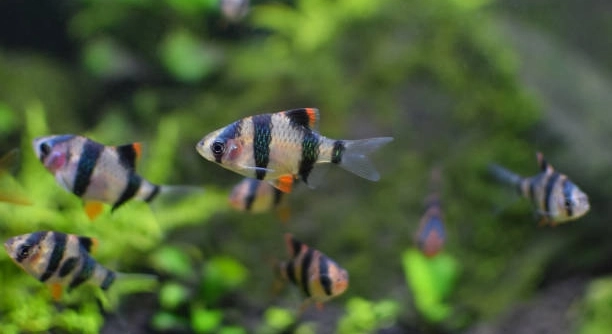
Are your tiger barbs acting restless or falling sick even when the tank seems clean and well-maintained? You might be missing hidden sources of stress that often go unnoticed by fish keepers.
The most overlooked stressors for tiger barbs include improper tank mates, inconsistent lighting, low-quality food, poor water flow, inadequate hiding spots, overcrowding, and unstable water parameters. Each of these factors can lead to chronic stress and health decline.
Learning what triggers their stress can help you improve their environment and support their overall health in a more intentional way.
Incompatible Tank Mates
Tiger barbs are semi-aggressive and tend to nip fins, especially when kept with slow or long-finned fish like bettas or angelfish. Housing them with peaceful species causes stress for both sides. The constant chasing and fin-nipping disrupts natural behaviors and creates tension in the tank. Even if physical damage isn’t obvious, the ongoing harassment leads to elevated stress levels. Tiger barbs thrive best in groups of six or more and do well with similarly active, short-finned fish like danios or other barbs. Observing their behavior can give you early signs of stress caused by tank mate conflict. Frequent hiding, chasing, or sudden darting can signal trouble. It’s important to match them with species that can tolerate their energy without becoming aggressive themselves. Picking the right companions not only reduces stress but also encourages healthy interaction and movement, keeping them active and calm.
Avoid housing tiger barbs with docile or long-finned species to prevent fin nipping and social stress.
Choose fast-moving, similarly sized fish that can handle the tiger barbs’ active nature. Monitor interactions for a few days after introducing new tank mates. Adjust quickly if signs of stress, hiding, or aggression appear. Even within the same species, personalities vary, so careful observation helps maintain balance.
Inconsistent Lighting
Sudden changes in light levels can make tiger barbs feel unsafe and trigger unnecessary stress.
Tiger barbs need a stable day-night cycle to regulate their biological rhythms. Sudden bursts of light or frequent lighting changes confuse their internal clock. This can lead to changes in behavior, such as hiding, darting, or even skipping meals. Ideally, the aquarium light should mimic natural light patterns. Using a timer helps maintain regularity, with about 10–12 hours of light per day. Harsh or direct lighting can also cause them to feel exposed, especially in tanks lacking hiding spaces or cover. Opt for soft, diffused lighting and provide shaded areas using plants or decorations. It’s not just the light itself, but the way it interacts with their environment that matters. If a room has unpredictable natural light, use curtains or reposition the tank to avoid direct sunlight. A predictable lighting schedule builds routine and reduces anxiety, supporting a calmer and healthier tank environment.
Low-Quality Food
Feeding tiger barbs poor-quality flakes or pellets weakens their immune system and affects their behavior. Cheap foods often lack nutrients and break down quickly in water, causing pollution that leads to stress and sickness.
Look for foods with whole ingredients like fish meal, spirulina, and shrimp rather than fillers such as wheat or soy. A varied diet keeps tiger barbs active and healthy. Mix high-quality flakes or pellets with occasional live or frozen foods like bloodworms and brine shrimp. Uneaten food should be removed quickly to avoid water contamination. Feeding small amounts twice a day is better than one large feeding. Overfeeding is just as harmful as poor-quality food, so portion control is important. Rotating different food types ensures better nutrition and prevents boredom. A consistent feeding routine helps your fish feel secure and lowers stress caused by hunger or digestive issues.
Pay attention to how your tiger barbs respond during feeding. If they show less interest, spit out food, or seem sluggish after eating, the food might be the problem. Check expiration dates and storage conditions too—exposed food can lose its nutrients or grow mold. Feeding time should be calm, not rushed. A calm tank environment during feeding can make a noticeable difference in stress levels.
Poor Water Flow
Stagnant water limits oxygen and creates a stressful environment for tiger barbs, which prefer moderate currents. Inadequate flow also allows debris to settle, leading to poor water quality and inconsistent temperature throughout the tank.
Tiger barbs enjoy swimming in currents and rely on good water movement to stay active and healthy. A lack of flow means waste and uneaten food may collect at the bottom, which can lead to ammonia spikes. Use a filter rated for your tank size, and make sure it circulates the water evenly. Adding an air stone or a small powerhead can also help oxygenate the water and improve movement. Be careful not to create a strong current that blows the fish around or causes stress in the opposite direction. Observe how your tiger barbs swim—if they avoid certain areas, you might need to adjust the water flow. Balanced circulation supports their energy and overall comfort.
Lack of Hiding Spots
Tiger barbs need areas to retreat when they feel overwhelmed or threatened. Without hiding spots, they remain exposed, which increases anxiety and aggressive behavior. Use plants, driftwood, or caves to create calm zones they can access easily.
Even in active groups, tiger barbs benefit from privacy. When stressed, they seek quiet corners to reset. A bare tank prevents this and leads to tension within the school. Balanced decor supports their natural instincts and improves group dynamics.
Overcrowding
Overcrowding leads to competition for space, food, and territory, making tiger barbs anxious and aggressive. These fish are active swimmers and need room to move freely. A cramped tank causes friction within the group and increases waste levels, which affects water quality. A minimum of 20 gallons is needed for a small school, with an extra 3 gallons per additional fish. Stick to one inch of fish per gallon as a rough guide, and always plan ahead when adding more. Use a larger tank if housing other species with them. Space management lowers stress and improves overall tank stability.
Unstable Water Parameters
Fluctuations in temperature, pH, or ammonia levels quickly impact tiger barbs’ health. They thrive in consistent conditions and become stressed when levels shift. Use a reliable test kit weekly to catch changes early and adjust gently.
FAQ
What signs indicate my tiger barbs are stressed?
Stress in tiger barbs often shows as hiding more than usual, loss of appetite, rapid gill movement, or erratic swimming. You might notice faded colors or torn fins, especially if fin-nipping occurs. Increased aggression or lethargy can also be warning signs. Paying attention to these behaviors early helps prevent serious health issues.
How often should I test my aquarium water for tiger barbs?
Testing water at least once a week is ideal to ensure stable conditions. Focus on parameters like ammonia, nitrite, nitrate, pH, and temperature. Sudden changes can stress tiger barbs, so catching shifts early allows you to correct problems before they worsen. Keeping a log of results helps track trends over time.
Can changing tank mates reduce stress for tiger barbs?
Yes. Some tank mates provoke fin-nipping or bullying. Switching to species that match tiger barbs’ temperament and activity level often calms the group. Avoid slow-moving or long-finned fish that attract unwanted attention. Choose active, peaceful companions for a balanced tank environment.
How does overcrowding affect tiger barbs?
Overcrowding raises stress by limiting swimming space and increasing competition for food and territory. It also worsens water quality due to excess waste. This combination leads to aggression, disease, and weakened immunity. Providing adequate space per fish is essential to maintain health and harmony.
What type of food is best for tiger barbs?
A diet rich in proteins and varied foods keeps tiger barbs healthy. High-quality flakes or pellets combined with live or frozen options like brine shrimp and bloodworms offer balanced nutrition. Avoid fillers and expired food to prevent digestive problems and stress. Feeding small portions twice daily supports their metabolism and reduces water pollution.
How important is water flow for tiger barbs?
Moderate water flow is necessary for oxygenation and mimicking their natural environment. It encourages swimming and reduces buildup of waste. Too strong a current can tire them, while stagnant water reduces oxygen, causing stress. Adjust filters and powerheads to create gentle, even circulation.
What role do hiding spots play in reducing stress?
Hiding spots give tiger barbs places to retreat and feel safe. Even in groups, fish need areas to escape aggression or rest quietly. Providing plants, caves, or decorations improves comfort and lowers anxiety. Tanks without adequate shelter often see more aggression and stressed behavior.
Can inconsistent lighting cause stress?
Yes. Sudden changes or too much bright light disrupt tiger barbs’ natural rhythms. A stable lighting schedule with about 10–12 hours of soft, diffused light helps maintain calm and normal activity. Avoid direct sunlight and harsh lighting that exposes them too much.
How do I maintain stable water parameters?
Use a reliable test kit regularly and perform consistent water changes. Avoid sudden shifts in temperature or pH by adjusting slowly. Condition new water before adding it to the tank. Proper filtration and regular cleaning keep ammonia and nitrites low. Stability is key to reducing stress and preventing illness.
What should I do if my tiger barbs show signs of stress?
First, check water quality and correct any issues immediately. Look for overcrowding or incompatible tank mates and adjust accordingly. Add or improve hiding spots and ensure proper feeding with high-quality food. Keep lighting consistent and maintain moderate water flow. Observing behavior daily helps catch stress early before it worsens.
Final Thoughts
Tiger barbs are lively and attractive fish, but they can be sensitive to many hidden stressors that are easy to overlook. Stress can weaken their immune systems, cause illness, and shorten their lifespan if not addressed. Understanding what factors contribute to their discomfort helps create a better environment where they can thrive. Paying attention to tank mates, water quality, food, and habitat features can greatly reduce stress. Small adjustments often make a big difference in their behavior and health.
Consistent care is essential to prevent stress from building up over time. Regular water testing, proper feeding, and tank maintenance keep the environment stable. Providing enough space, hiding places, and the right water flow mimics their natural conditions. Avoiding sudden changes in lighting, temperature, or tank companions also helps maintain calm. When fish feel safe and comfortable, they display more natural, active behaviors and show brighter colors. This leads to a healthier tank and a more enjoyable experience for the caretaker.
Being aware of these often overlooked stressors and acting early improves the wellbeing of tiger barbs. Stress is rarely caused by a single issue but by several small problems combined. Taking time to observe their behavior and adjust their environment will help reduce anxiety and aggression. Your tiger barbs will respond positively to these changes with better health and longer life. Consistent effort in maintaining a balanced aquarium pays off in happier, more vibrant fish.

Hello,
If you enjoy the content that we create, please consider saying a "Thank You!" by leaving a tip.
Every little bit helps us continue crafting quality advice that supports the health, happiness, and well-being of pets around the world, for pets of all shapes, sizes, and species.
We really appreciate the kindness and support that you show us!