
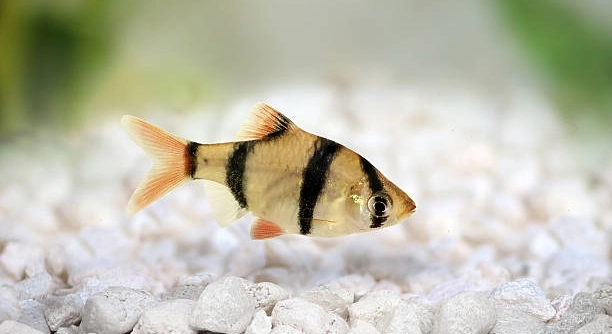
Are your tiger barbs constantly zipping around, making you wonder if floating plants could actually work in their lively tank setup?
Tiger barbs can thrive with floating plants as long as the tank is well-maintained and not overcrowded. Floating plants provide shade and help reduce stress, but it’s essential to choose resilient varieties that can withstand constant movement.
Adding floating plants can change how your tank feels and functions, offering new benefits for both the fish and the environment.
Why Floating Plants Can Work With Tiger Barbs
Tiger barbs are known for their energetic swimming and bold behavior, but that doesn’t mean floating plants are off-limits. In fact, when chosen and placed carefully, these plants can add value to the tank environment. Floating plants like hornwort, duckweed, and water lettuce offer coverage, help diffuse light, and absorb excess nutrients. These features can benefit tiger barbs by calming aggressive behavior and improving water quality. Just make sure the surface isn’t completely covered, as tiger barbs need open areas to breathe and swim freely. A balanced layout is key to success.
Floating plants soften the light and create hiding spots, which can ease territorial stress and aggressive chasing.
When introducing floating plants to a tiger barb tank, monitor how they interact with them during feeding and active hours. If the plants begin to rot or clog the filter, reduce the amount or try a hardier plant type. Some trimming may also be necessary.
Picking the Right Plant Type
Avoid delicate floating plants that tear easily or overgrow fast. Choose species that stay intact and are easy to manage.
Water lettuce and hornwort are strong choices for tiger barb tanks. Water lettuce floats well and has broad leaves that can offer shade without overwhelming the surface. Hornwort is versatile and grows both floating and anchored. Both help reduce nitrate levels and keep water parameters more stable. Frogbit is another option with strong root systems that can withstand mild current and nibbling. Avoid plants like Salvinia or Azolla, which multiply too fast and block light. Always keep some open space at the top so gas exchange remains efficient. Check plants weekly, remove decaying bits, and clean the filter regularly. With the right plant type and attention to balance, floating plants can be a healthy and attractive addition to a tiger barb aquarium.
Managing Light and Movement
Tiger barbs are very active swimmers, so too much plant cover can interfere with their movement. Keeping floating plants trimmed helps maintain space and allows light to reach lower parts of the tank for other plants and fish.
Choose a light that supports plant growth without overpowering the tank. Moderate lighting encourages steady plant development while preventing algae issues. Floating plants naturally shade the water, reducing light intensity below. This is helpful for shy fish or those sensitive to bright light. However, make sure the tank doesn’t get too dark, as tiger barbs are visual feeders and need light to stay active. A timer can help maintain a consistent light cycle. If plants begin to spread too fast and block too much light, gently thin them out. Keep at least 40–50% of the surface open for healthy gas exchange and proper tank lighting balance.
Fast water flow can push floating plants around, leading to uneven coverage and clumping. This not only blocks light but also causes stress for the fish. Try adding plant-friendly barriers like floating rings or using areas of reduced flow. Floating rings can anchor plants in one spot, keeping them from crowding the surface or entering the filter intake. This makes the tank look tidier and helps keep light distribution even. Adjust your filter output if the current is too strong, or use sponge filters in smaller setups. The goal is to let the tiger barbs swim freely while keeping floating plants stable and effective. Watching how the plants shift each day can help you make small changes as needed.
Feeding and Tank Cleanliness
Floating plants can trap leftover food, which creates mess and affects water quality. Always feed in open areas where food can be seen and eaten quickly by the fish.
Excess food caught in roots or under thick mats can break down and raise ammonia levels. This affects not just water clarity but also the health of your tiger barbs. To avoid this, feed in sections of the tank without plant cover. Use floating feeding rings to keep food in one spot. Remove uneaten food with a net after a few minutes. Clean plant roots regularly to prevent buildup of debris and biofilm. Also, make sure your filter is strong enough to handle the extra waste. These steps help reduce stress and keep both your fish and plants in better shape over time.
Floating plants can also slow surface water movement, which affects gas exchange and filtration. To help with this, avoid letting the plants spread across the entire tank. Keep a portion of the surface clear so oxygen can enter and carbon dioxide can escape. This improves overall water quality and makes it easier for your filter to work efficiently. Weekly plant thinning, partial water changes, and wiping down the tank walls are good habits to maintain cleanliness. A tank with tiger barbs and floating plants needs more attention, but once balanced, the results are worth it. You’ll see better water conditions, healthier fish behavior, and a tank that feels more natural.
Monitoring Plant Growth
Floating plants grow quickly, especially in warm, nutrient-rich water. If left unchecked, they can block light, trap waste, and reduce oxygen levels. Trim them weekly to keep your tank balanced and your tiger barbs swimming comfortably.
Use your hands or aquascaping scissors to remove excess growth. Keep at least half of the surface clear so gas exchange and feeding remain easy. Removing dying leaves also helps prevent decay and keeps the tank cleaner overall.
Watching Fish Behavior Closely
Tiger barbs are curious and will often interact with floating plants. If they’re constantly pushing through thick mats or nipping at roots, the cover might be too dense. Thin out the plants slightly and watch if their swimming becomes smoother. Stress-free fish move with ease and show stronger colors.
Maintaining a Balanced Setup
Floating plants work best when regularly managed. With steady trimming, good lighting, and proper feeding zones, tiger barbs and floating plants can share the tank comfortably.
FAQ
Can floating plants stress out tiger barbs?
Yes, if floating plants cover too much of the tank’s surface or make swimming difficult, they can stress tiger barbs. These fish are fast swimmers and need open areas to move freely. Too much cover can also block light and affect feeding. Keeping the plants trimmed and allowing plenty of swimming space helps avoid this issue. Look for signs like dull colors, hiding, or erratic swimming. If those behaviors appear, reduce the plant mass and observe changes over a few days. A balanced tank should support both plant growth and natural fish behavior.
Which floating plants are safest for tiger barbs?
Water lettuce, hornwort, and Amazon frogbit are some of the better options. These plants have sturdy roots and don’t break apart easily. They also grow at a moderate rate and can be trimmed without much trouble. Avoid delicate plants like Salvinia or Azolla, which spread quickly and tend to rot in tanks with strong currents. Thick mats from fast-growing plants can block light and clog filters. Choose plants that offer both shade and structure without taking over the surface. It’s also smart to test one type first to see how your tiger barbs respond.
How do I stop floating plants from entering the filter?
Use floating rings or barriers to keep the plants contained in one area. These can be made from airline tubing formed into a circle and attached with suction cups. Barriers help stop the plants from drifting and clogging the filter intake. Another way is to adjust the flow of your filter to reduce surface current. If you have a hang-on-back or canister filter, placing a sponge pre-filter over the intake can block loose leaves without stopping water flow. Maintenance is also key—clean the filter regularly and remove loose plant parts before they spread.
Do tiger barbs eat floating plants?
Tiger barbs don’t usually eat floating plants, but they might nibble at soft roots or tear off pieces during feeding or play. This isn’t always a problem unless it leads to mess or plant decay. Hardy plants like water lettuce and hornwort hold up better against this behavior. If your tiger barbs start damaging plants too much, you can move the floating plants to one side of the tank or place a floating ring in a quiet corner. This keeps them out of the main swimming zone while still giving benefits like shade and cover.
How often should I trim floating plants?
Trim floating plants once a week or whenever they begin to cover more than half the surface. This keeps light levels balanced and allows for proper gas exchange. Use clean scissors or your hands to remove older leaves and reduce bulk. If you skip trimming, the plants may trap waste, lower oxygen, and block feeding areas. Regular trimming also helps maintain water clarity and avoids filter issues. It only takes a few minutes each week and makes a big difference in keeping the tank stable. Always dispose of removed plant parts outside the tank to avoid extra waste.
Do floating plants help with water quality?
Yes, floating plants can improve water quality by absorbing excess nutrients like nitrates and ammonia. This helps control algae and supports a healthier environment for your tiger barbs. The roots of these plants also trap fine debris and create a mild biofilm that’s good for beneficial bacteria. However, they’re not a substitute for regular water changes or filtration. Think of them as a support, not the main solution. Overreliance on plants without proper maintenance can still lead to cloudy or unbalanced water. Used correctly, floating plants are a helpful addition to a good tank care routine.
Can I mix floating plants with other live plants?
Yes, but it depends on the lighting and layout. Floating plants block light, so rooted plants underneath may not grow well if too much shade is created. To avoid this, keep floating plants trimmed and cluster them to one side of the tank. Use rooted plants that tolerate low light, like Java fern or Anubias, under the shaded areas. You can also raise the lights or use reflective lids to help distribute light more evenly. With balance and a little testing, you can create a tank that supports both floating and rooted plant life without compromising either.
Final Thoughts
Floating plants can work well in a tiger barb tank if you take the time to manage them properly. These plants offer useful benefits like shade, improved water quality, and reduced stress for your fish. However, their fast growth and tendency to spread across the surface can cause problems if left unchecked. Regular trimming and careful placement help keep things balanced. You don’t need to remove them completely—just make sure they don’t block light, interfere with gas exchange, or trap too much waste. A little attention each week is enough to keep both the plants and the fish in good shape.
Tiger barbs are active fish that like open swimming space. When floating plants begin to cover too much of the tank, it can change how the fish behave. You might notice more hiding, nipping, or chasing if the environment feels too cramped. That’s why it’s important to keep at least half of the water surface clear. Feeding is also easier when plants are kept under control. Using floating rings or designating a plant-free zone helps your tiger barbs find food quickly and keeps the tank cleaner. Monitoring how your fish act around the plants gives you clues on whether adjustments are needed.
Adding floating plants doesn’t have to be complicated. Start with one type of plant, watch how it grows, and see how your tiger barbs react. Keep your tools nearby for trimming and do a quick check during water changes. Small steps like removing dead leaves, adjusting the flow, and spacing the plants can make a big difference. Over time, you’ll find a routine that works for your setup. With the right care, floating plants can become a helpful part of your tank, offering natural benefits while keeping the space peaceful for your fish.

Hello,
If you enjoy the content that we create, please consider saying a "Thank You!" by leaving a tip.
Every little bit helps us continue crafting quality advice that supports the health, happiness, and well-being of pets around the world, for pets of all shapes, sizes, and species.
We really appreciate the kindness and support that you show us!